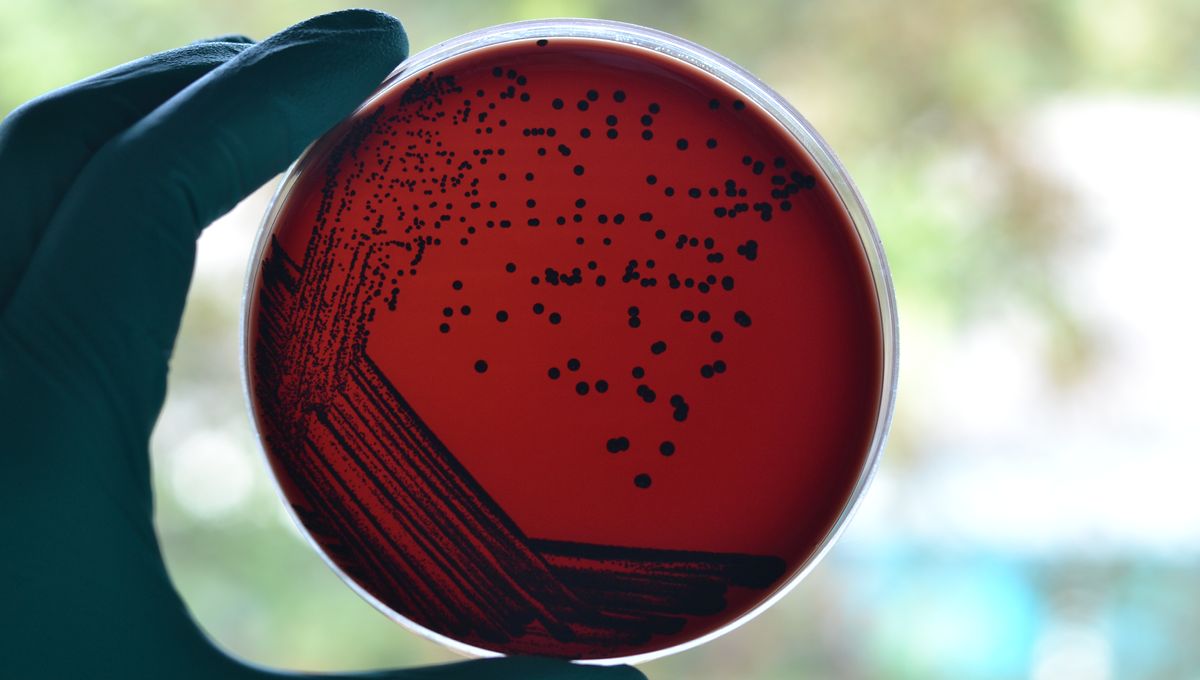
More than 30 new-to-science species of bacteria have been discovered in patient samples at the University Hospital Basel, Switzerland. Some of these are clinically relevant, and so could open up new avenues of research for those seeking to better understand, or find treatments for, the associated infections.
The findings also highlight just how many pathogens are still out there, yet to be defined – something that needs to be addressed if we’re to get to grips with tackling the wealth of bacterial infections that plague our species. Knowing what causes these conditions makes treating them much easier, which is why studies such as this most recent one are so important.
“Such direct links between newly identified species of bacteria and their clinical relevance have rarely been published in the past,” lead author Dr Daniel Goldenberger explained in a statement.
Goldenberger and co-authors have been collecting and analyzing patient samples since 2014, studying a total of 61 unknown bacterial pathogens from people with a range of medical conditions. However, sequencing these bacterial genomes proved to be a struggle: traditional methods failed to yield results, so the team had to turn to a relatively new method for their analysis.
They then used an algorithm to compare the sequences with known strains, identifying 35 new species. Of these, 27 were isolated from deep tissue specimens or blood cultures – and, crucially, seven were clinically relevant, meaning that they can cause infections in humans. The remaining 26 bacteria were classed as “difficult to identify”.
Most of the newly identified species belonged to two genera: Corynebacterium (six species) and Schaalia (five species).
“Many species in these two genera are found in the natural human skin microbiome and the mucosa. This is why they are frequently underestimated, and research into them is sparse,” added Goldenberger. However, they can present a threat to our health if they enter the bloodstream.
It’s not just the newly discovered species that piqued the teams’ interest. One of the “difficult to identify” bacteria that was found in a dog bite wound on a patient’s thumb is, the researchers assume, a “novel and emerging pathogen”. It was first isolated from wounds caused by dog or cat bites by a Canadian group in 2022.
Despite their successes, the teams’ work is ongoing, as they continue to collect and sequence unknown pathogens from patients at the University Hospital Basel. In fact, more than 20 additional new species have already been added to their list – which will hopefully help improve future diagnosis and treatment of infections.
“Publicly available clinical and genomic data may help to better understand [bacterial organisms’] clinical and ecological role,” the study authors write in their conclusion. “Our identification of 35 novel strains, seven of which appear to be clinically relevant, shows the wide range of undescribed pathogens yet to define.”
The study is published in the journal BMC Microbiology.

Source Link: 35 New Species Of Bacteria Found Lurking In Human Samples
