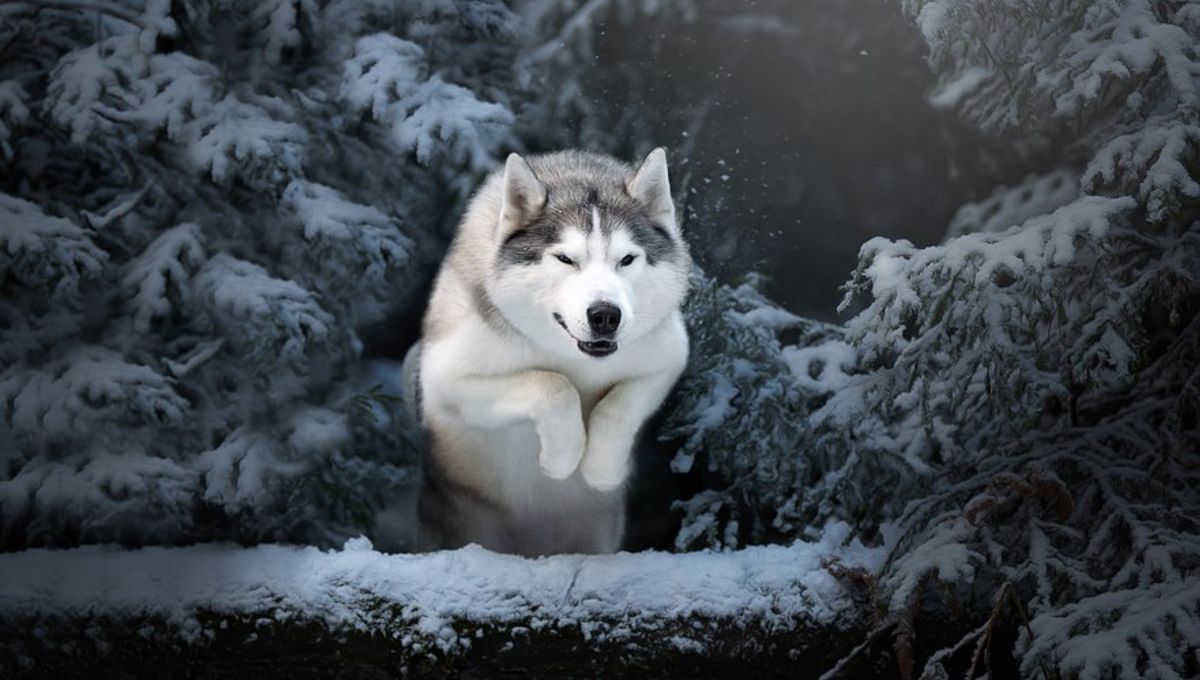
Prehistoric sled dogs in the Siberian Arctic ate a mix of fish, reindeer and polar bear, according to a new analysis of 9,000-year-old turds. Recovered from the early Holocene site of Zhokhov in the extreme north of Russia, the paleofeces contained high rates of various parasitic worms, which may have severely compromised the dogs’ ability to work.
The rest of this article is behind a paywall. Please sign in or subscribe to access the full content.
Located in the New Siberian Islands, Zhokhov was once part of the Eurasian mainland before becoming cut off due to a change in sea levels around 8,500 years ago. At this point, human occupation in the region ceased, although archaeological finds suggest that the site was previously inhabited by Paleolithic hunters.
Based on the types of animal bones found at Zhokhov, the authors of a new study suggest that these ancient hunter-gatherers killed and ate large numbers of polar bears during the winter months, presumably because less dangerous prey animals were unavailable at this time of year. They also made use of dogs to pull their sleds and assist with hunting.
To learn about what these working dogs ate, the team examined 34 frozen dog poops that were excavated from the site in 2002 and 2003. In more than 90 percent of these samples, they found tapeworms of the genus Dibothriocephalus, which are typically acquired as a result of eating undercooked fish.
A further 32.35 percent contained eggs from worms of the Taeniidae family, likely contracted after consuming infected reindeer meat. Perhaps more surprisingly, though, the researchers also found polar bear fur in some of these dog droppings, indicating that prehistoric hunters fed the meat of these fearsome predators to their canines.
“Polar bears were readily available near the Zhokhov site, and this made polar bears the most important meat resource in the economy of Zhokhov hunters,” write the study authors. The suggestion that dogs were also allowed to feast on these ice bears is further backed up by the presence of dog bite marks on polar bear bones at the site.
Unfortunately for these ancient sled dogs, however, their diet probably wasn’t the healthiest. According to the legendary Arctic explorer Knud Rasmussen, for example, reindeer meat isn’t particularly nutritious for dogs, and working canines generally have more energy when fed blubbery animals like seals or walruses.
The researchers therefore suggest that “consuming reindeer meat and internal organs after butchery in large quantities may have caused disease and then weakness with the inability to perform work.”
Another Siberian explorer of the 19th century, Alexander von Middendorff, wrote that while dogs can eat polar bear, the meat must be frozen and not fresh. It’s unclear, however, whether the dogs at Zhokhov were fed on iced flesh or not.
Regarding the overall state of health of these ancient pooches, the study authors speculate that “the high infestation rate of dogs with parasitic infections could significantly reduce their endurance and performance as transport and hunting animals, posing a certain threat to the effectiveness of the life support system in the Far North.”
The study is published in the Journal of Archaeological Science.

Source Link: 9,000-Year-Old Dog Poop Reveals Siberian Sled Dogs Ate Polar Bears
