Cost of living crises in areas currently plunging into winter have people worried about mold. This household invader loves dark, damp environments and as fewer people can afford to open windows and crank up the heating, it’s expected that fungi will have a prosperous winter.
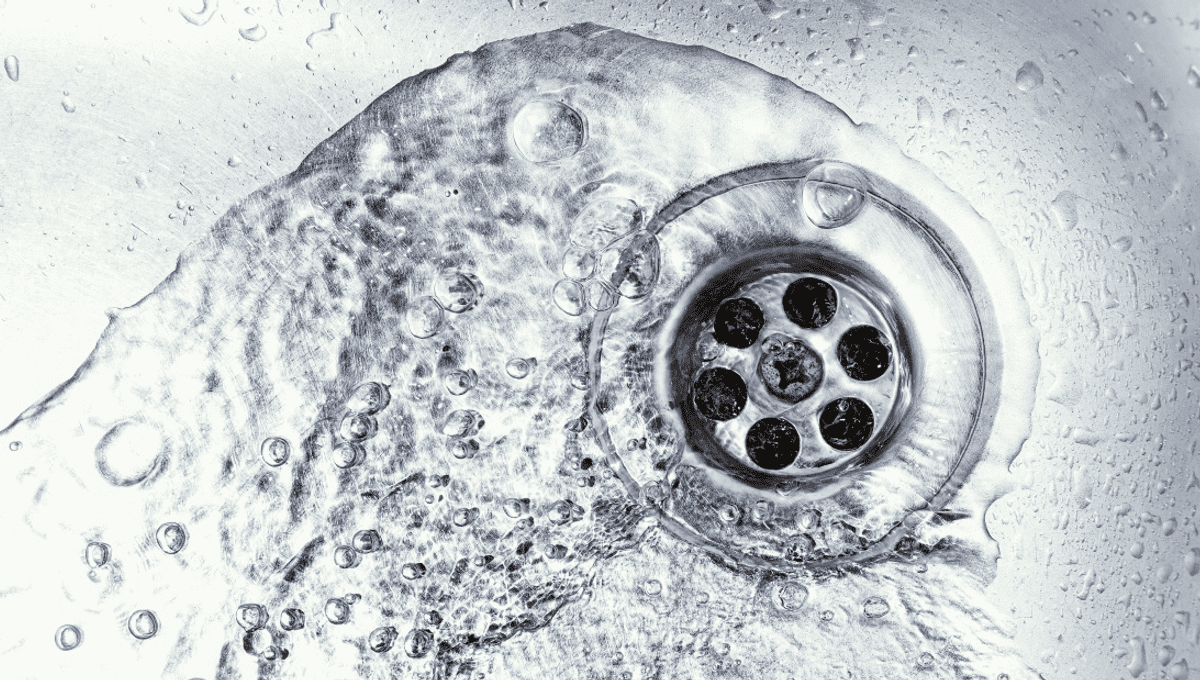
While most of us think about window panes and bathrooms when it comes to mold hot spots, new research from the University of Reading has found that a surprisingly large number of fungal organisms can be found in our sinks and P-traps. The discovery comes after more than 250 restroom sinks were analyzed, with the subsequent results showing that there’s a whole world down there.
Fungi found lurking in sink drains included black molds, which are infamous for being a potential trigger of many health conditions. Exposure to black mold can even be fatal.
In the UK, a high-profile case concluded two-year-old Awaab Ishak died as a result of exposure to mold in his family’s flat in Rochdale. The tragic story raised all kinds of social issues – from poverty to institutional racism – but it also highlighted the underappreciated impact of mold-related health impacts.
As well as black mold, sink drains and P-traps were found to be home to a diverse range of fungi, the members of which were consistent across different sinks. That the same community of organisms was found in sinks in different places demonstrates that they act as reservoirs for molds.
“We spend 90 percent of our time indoors so we are exposed to fungi in our homes and workplaces,” said project lead Dr Soon Gweon in a statement. “For most people, this isn’t a problem, but for those who are immunocompromised, certain fungal species can cause serious infections.
“It isn’t a big surprise to find fungi in a warm, wet environment. But sinks and P-traps have thus far been overlooked as potential reservoirs of these micro-organisms. This could be a really important finding for those who are trying to help immunocompromised people avoid infections by some of the opportunistic pathogens that may be lurking in sinks, such as Fusarium.”
While you might be thinking “well I pour soap down my drain so I’m fine,” the research actually found that some of the fungi eat detergents as a source of carbon-rich food. They’re also tolerant to heat and acidity, meaning they’re real tricksy when it comes to getting rid of them.
While the research was able to identify the broad fungi families occupying sink drains, they don’t yet know what specific varieties are contained within and therefore more research is needed to ascertain if the species lurking here are capable of causing disease. However, if there are disease-causing fungi within the fold, this could have important ramifications for people who spend a lot of time working from home near sinks, or in care homes where residents may be immunocompromised.
“Although these findings don’t present a health concern in the environment we are in, were the location a hospital or care home, with many immunocompromised people, this finding could point to a serious risk to health,” Gweon concluded.
“We would like to see cleaning protocols developed that can address the colonisation of sinks and P-traps, particularly in environments where many people will use a single sink.”
The findings are published in Environmental DNA.

Source Link: A Household Invader May Be Setting Up Camp In Your Sink
