


Things weren’t looking good for the carnivorous plant Drosera silvicola. Scientists believed there were just two remaining populations of this “meat-eating” flower, both of which have found themselves in the middle of a mine. However, researchers have recently discovered a stronghold of the bug-dissolving beauty over 70 kilometers (43 miles) away from its currently known territory.
The rest of this article is behind a paywall. Please sign in or subscribe to access the full content.
D. silvicola is a species of pygmy sundew found only in parts of Western Australia. Often decorated with vibrant pink flowers, it lures unsuspecting insects onto its gooey tentacles, which then trap and digest to obtain vital nutrients needed for growth.
In a bid to find new populations of the plant, the Australian Wildlife Conservancy’s (AWC) Paruna Wildlife Sanctuary carried out an expedition in the wilds of Whadjuk country around an hour’s drive from Perth. The day was coming to an end with no success when they made one last detour in the Jarrah Forest and – bingo! – they came across a thriving population of D. silvicola.

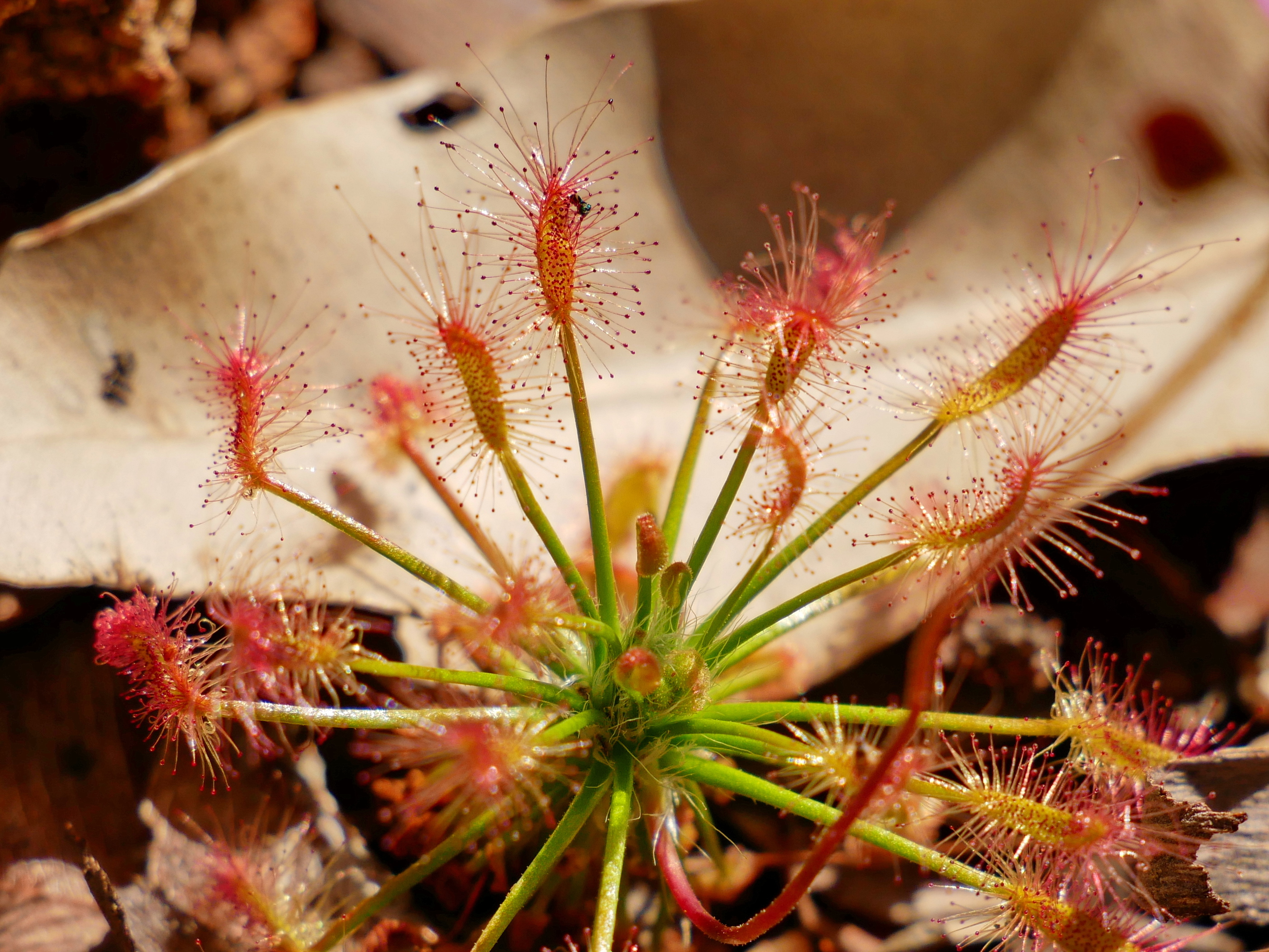
One of the thousands of Drosera silvicola, a Priority 1 pygmy sundew, that were discovered at Australian Wildlife Conservancy’s Paruna Wildlife Sanctuary in Western Australia.
Image credit: Thilo Alexander Krueger/Australian Wildlife Conservancy
“I was so excited when I first spotted the plant out of the car window, I jumped out of the door, fist pumping the air, and threw myself on the ground next to it,” Thilo Krueger, PhD student at Curtin University and carnivorous plant expert, said in a statement. “We knew it was previously recorded in the area over 30 years ago, but given we had already searched for nearly two full days, I had started to doubt the validity of that old record.”
“The area had ridges and slopes that sat high up,” he added. “It was in the Jarrah Forest, but it was an open area with very little leaf litter – the perfect environment for the species.”
Carnivorous plants are found in areas where nutrients are scarce in the soil. Lacking much-needed chemicals like nitrogen and phosphorus, these plants have evolved to trap and digest animals, obtaining the nutrients through specialized enzymes that can break down the prey’s body. It’s an ability that’s evolved several times separately, and they can be found on every continent, except Antarctica (the freak continent).
Most carnivorous plants live on a diet of insects and other arthropods, while some are capable of eating small mammals, reptiles, and amphibians. Technically, certain species can digest human flesh, although it is unclear how such a scenario would arise (without the help of eccentric scientists).

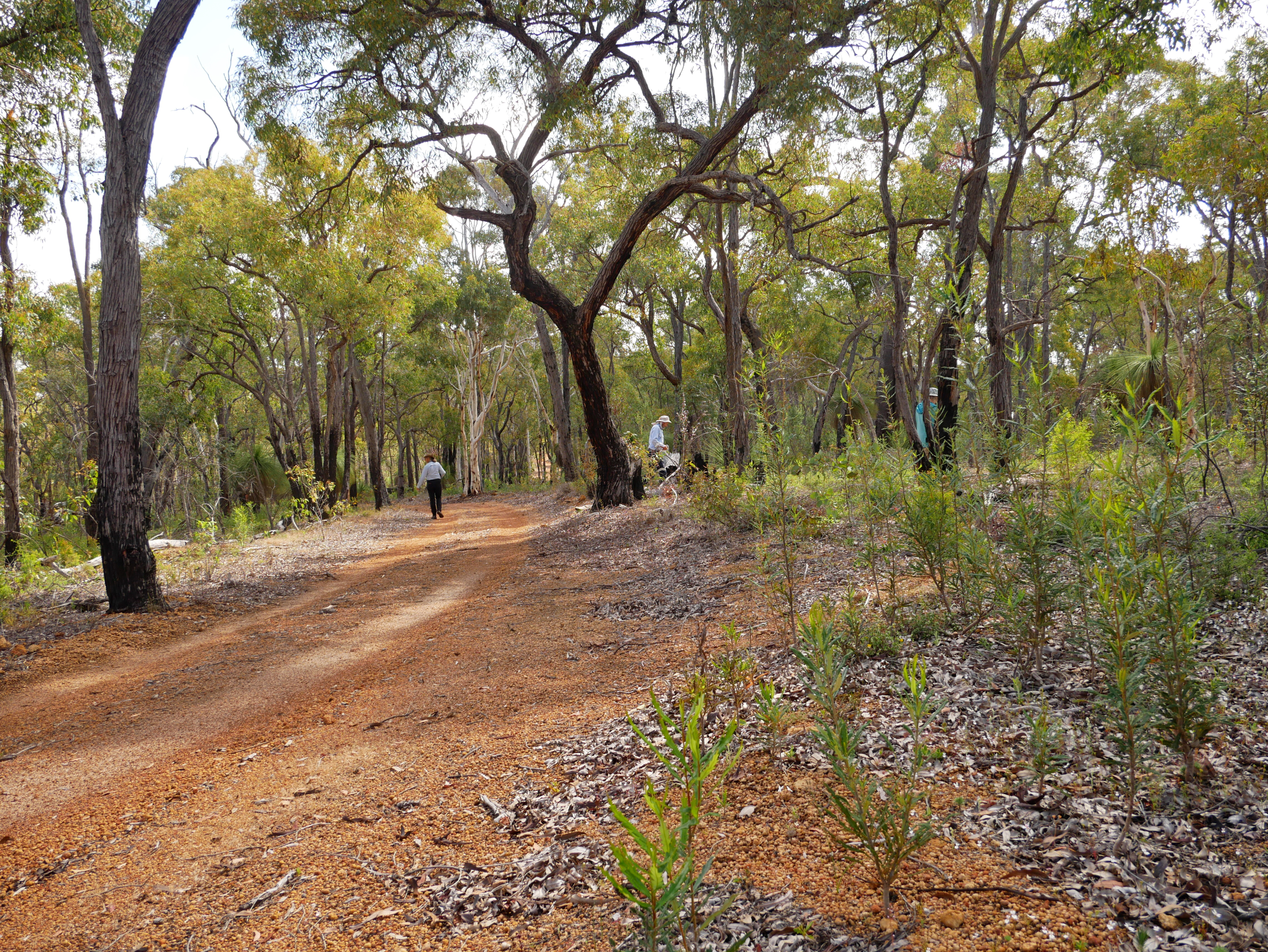
Habitat housing Drosera silvico at Australian Wildlife Conservancy’s Paruna Wildlife Sanctuary.
Image credit: Thilo Alexander Krueger/Australian Wildlife Conservancy
Western Australia is especially rich in meat-eating plants, with over 150 species recorded here so far.
However, D. silvicola is not exactly thriving in this haven of biodiversity. The Western Australian government has listed it as a Priority 1 species, meaning it is “extremely rare and potentially threatened, urgently requiring a full conservation assessment.”
Finding yet another pocket of these rare fellas isn’t going to turn that tide immediately, but it does suggest the species is perhaps not quite as screwed as previously thought.
“To find such a healthy population of this rare species on a protected conservation area is a huge win for conservation,” said Dr Amanda Bourne, Regional Ecologist with AWC. “The discovery highlights the importance of wildlife sanctuaries like Paruna in preserving Australia’s unique biodiversity.”


Source Link: An Extremely Rare And Beautiful "Meat-Eating" Plant Has Been Found Miles From Its Known Home