• Email Us: [email protected]
  • Contact Us: +1 718 874 1545
  • Skip to main content
  • Skip to primary sidebar

Medical Market Report

  • Home
  • All Reports
  • About Us
  • Contact Us

Antibiotic-Resistant Bacteria In Eye Drops Linked To 55 Infections And One Death

February 4, 2023 by Deborah Bloomfield

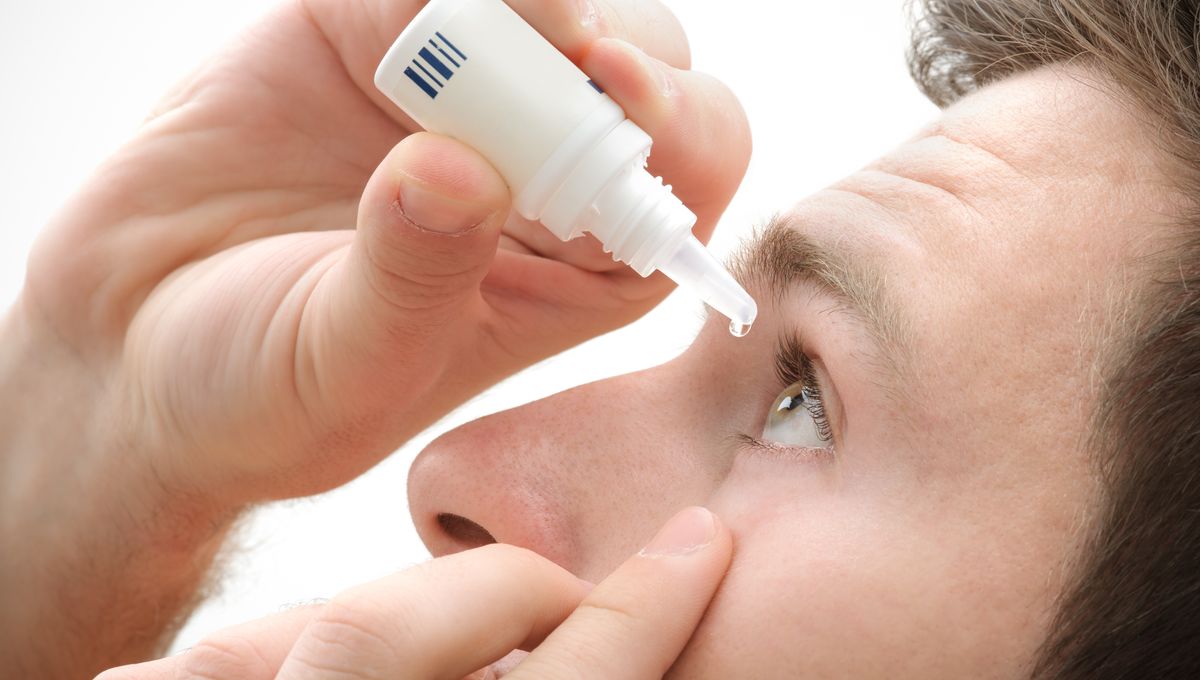
The Centers for Disease Control and Prevention (CDC) has issued an alert advising to stop using EzriCare Artificial Tears eye drops after the product was linked with an outbreak of drug-resistant Pseudomonas aeruginosa bacteria. As of January 31, 55 people are known to have been infected across 12 US states. Some have suffered permanent vision loss, and it’s been reported that one person has sadly died.

P. aeruginosa is a Gram-negative bacterium that naturally occurs in soil and freshwater. It’s considered an opportunistic pathogen: it rarely causes disease in otherwise healthy individuals but can pose a threat to patients with weakened immune systems, such as those with cystic fibrosis. Due to its aptitude for forming biofilms on solid surfaces, P. aeruginosa is particularly infamous for causing difficult-to-treat urinary tract infections in catheterized hospital patients.

Advertisement

The strain of P. aeruginosa that has been linked with the eye drops is rare, with a combination of genetic mutations not previously seen before in the US. The bug is known to be resistant to multiple classes of antibiotics, meaning there are few options left when it comes to trying to treat an infection.

According to the CDC, most of the patients had used eye drops in the period leading up to their infection. EzriCare Artificial Tears was the only brand of eye drops that could be linked to clusters of cases across four different healthcare facilities, which account for 35 of the 55 reported infections. 

Lab tests revealed the presence of the drug-resistant bacteria in bottles of the drops from multiple lots, but it’s currently unclear whether this contamination occurred during manufacturing or after the product had been opened and used.

The 12 states with reported cases so far are California, Colorado, Connecticut, Florida, New Jersey, New Mexico, New York, Nevada, Texas, Utah, Washington, and Wisconsin. Patients have presented with symptoms ranging from inflammation of the cornea (keratitis) and fluids inside the eye (endophthalmitis), to respiratory infections, and, in the case of one patient, a fatal bloodstream infection.

Advertisement

Whilst the CDC has not yet gone so far as to issue a recall of the product, the manufacturer, Global Pharma Healthcare PVT Limited, issued a statement of voluntary recall on February 1. The CDC advises people to stop using the eye drops and to consult with their healthcare provider for advice on alternative products.

If you have been using EzriCare Artificial Tears and you develop symptoms of an eye infection – such as pain/discomfort, redness, discharge, or blurred vision – it’s recommended that you seek medical advice immediately.

Deborah Bloomfield
Deborah Bloomfield

Related posts:

  1. Norway coalition talks start, with climate and oil in focus
  2. Indonesian fintech Xendit is now a unicorn, with $150M in fresh funding led by Tiger Global
  3. U.S. Senator Cruz vows to block new Democratic debt ceiling ploy
  4. Yellen says U.S. may exhaust cash by Oct 18 barring debt ceiling rise

Source Link: Antibiotic-Resistant Bacteria In Eye Drops Linked To 55 Infections And One Death

Filed Under: News

Primary Sidebar

  • What’s The Difference Between Buffalo And Bison?
  • 18,000-Year-Old Stalagmite Sheds Light On Why Civilization Started In The Fertile Crescent
  • Enormous Anaconda Fossils Reveal They Got Big 12 Million Years Ago – And Stayed Big
  • Meet The Malaysian Earthtiger Tarantula: Secretive And Stripy With A Leg Span For Days
  • Meet The Thresher Shark, A Goofy Predator That Whips Up Cavitation Bubbles To Stun Prey
  • 18 Asteroids Passed Earth Closer Than The Moon In November – All Of Them Were Discovered That Month
  • 7th Person Cured Of HIV After Stem Cell Donation Offers Hope Of Expanded Treatment Options
  • Humans Weren’t Capable Of “Mass Hunting” Until 50,000 Years Ago – What Changed?
  • ESA Steps Up Earth Monitoring, As NASA And NOAA Missions Face Uncertain Futures
  • Yellowstone’s Wolves And The Controversy Racking Ecologists Right Now
  • A New Universal Principle Behind Fragmentation Predicts Size Of Any Breakup Debris
  • Airbus Just Had To Ground 6,000 Of Its Airplanes – Was A Celestial Threat To Blame?
  • Meet Pumuckel, The World’s Shortest Living Horse (And Probably The Cutest Thing You’ll See This Week)
  • How A 500-Year-Old Inaccurate Bible Is Responsible For The Modern World
  • This Newly Discovered Blood Type Is So Rare, Only 3 People In The World Are Known To Have It
  • The Science Of Magic: Find Out More In Issue 41 Of CURIOUS – Out Now
  • People Sailed To Australia And New Guinea 60,000 years ago
  • How Do Cells Know Their Location And Their Role In The Body?
  • What Are Those Strange Eye “Floaters” You See In Your Vision?
  • Have We Finally “Seen” Dark Matter? Mysterious Ancient Foot May Be From Our True Ancestor, And Much More This Week
  • Business
  • Health
  • News
  • Science
  • Technology
  • +1 718 874 1545
  • +91 78878 22626
  • [email protected]
Office Address
Prudour Pvt. Ltd. 420 Lexington Avenue Suite 300 New York City, NY 10170.

Powered by Prudour Network

Copyrights © 2025 · Medical Market Report. All Rights Reserved.

Go to mobile version