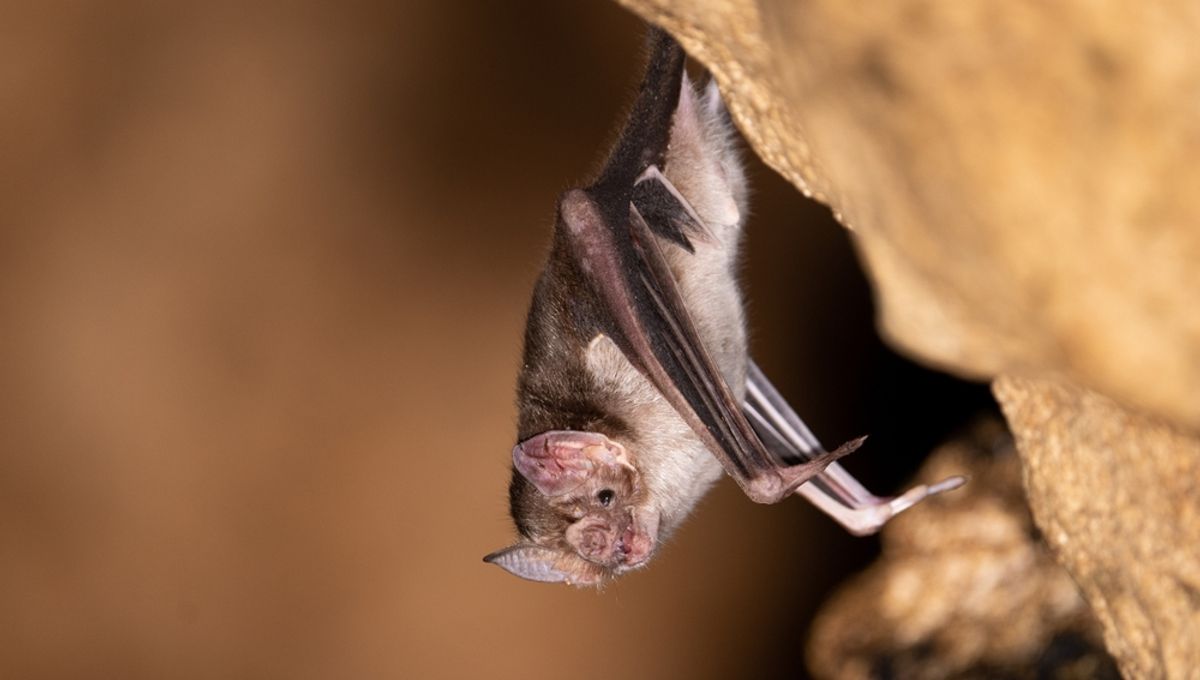
A family returned from a vacation in Costa Rica with more than just memories after contracting histoplasmosis, a potentially lethal lung infection caused by inhaling fungal spores found in bat droppings. The incident has been subject to an investigation by the Centers of Disease Control and Prevention (CDC) with medical practitioners now linking the infections to a group trip to the Venado Caves.
The CDC was first notified of the infections on January 17, 2025, after six adults aged 42 to 49 and six children aged 8 to 16 were diagnosed with histoplasmosis. The patients had fallen ill in the US but all 12 had recently returned from a family vacation in Costa Rica and had taken part in a tour of caves linked to an earlier outbreak involving 51 people. According to the CDC, “All reported seeing bats and having direct contact with bat droppings while crawling and squeezing through tight spaces in the cave.” The only family member not to have contracted histoplasmosis did not take part on that tour.
The patients became ill 8 to 19 days after exposure on December 24, 2025, experiencing headaches, fever, night sweats, muscle aches and malaise as well as various respiratory and gastrointestinal symptoms. One adult and five children sought medical attention. Of those, three were given antibiotics, two corticosteroids and one a cough suppressant. The investigation also reveals one adult was hospitalized after test results indicated possible signs of lung cancer.
The good news is that all patients showed signs of recovery or improvement one month after exposure. However, in the worst-case scenario, histoplasmosis can be life-threatening. According to the CDC, a severe case of histoplasmosis can trigger symptoms of pneumonia and lead to a long-term lung infection. Although rare, it can also spread from the lungs to other parts of the body, such as the brain and spinal cord, causing meningitis. Those with a weakened immune system are particularly at risk of developing complications.
The CDC launched the investigation “to identify and characterize” the cases, with support from the Georgia Department of Public Health, Texas Department of State Health Services and Washington State Department of Health. The report’s authors stress the importance of asking patients about any recent travel, stating, “no travel history was elicited during [the family’s] examinations.”
In light of the findings, the CDC has been working alongside the US Embassy in Costa Rica as well as the Costa Rica Ministry of Health to bring attention to the risk of contracting histoplasmosis in caving tour waiving forms. In March, a health alert was issued, alerting members of the public to the risk.
Histoplasma, the fungus responsible for histoplasmosis, is found in soil and can be spread through the droppings of birds and bats. It is prevalent in certain parts of the US, specifically in the central and eastern states and particularly around the Mississippi and Ohio River valleys. Not everyone exposed to the fungus will get sick but it is thought that around 60 to 90 percent living in that region will be exposed at least once in their lifetime.

Source Link: Bat Cave Adventure Turns Hazardous: 12 Infected With Histoplasmosis
