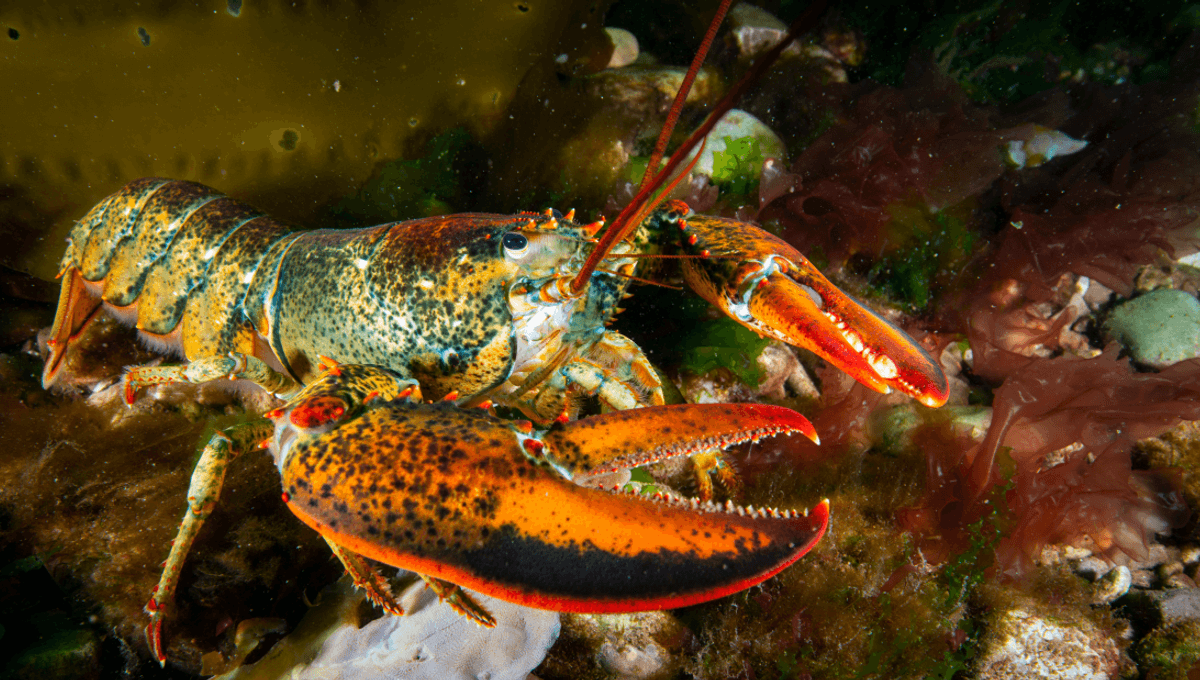
The United Kingdom has released new voluntary codes of practice for the treatment of crabs, lobsters, and prawns, codes that the organization Crustacean Compassion has stated aren’t in keeping with the recent Animal Welfare Bill that recognized these animals as sentient beings capable of feeling pain.
The guidance published by Seafish on August 2, 2024, is “a missed opportunity” to improve animal welfare according to Crustacean Compassion, leaving legal wiggle room that means the seafood industry is still permitted to carry out the following:
- Boiling alive
- Freezing to death
- Tearing animals apart while still alive
- Removal of their claws
- Cutting of tendons to immobilize claws
- The sale of live decapods to members of the public
“The seafood industry is using smoke and mirrors to give the illusion of improving animal welfare whilst still allowing animals to suffer needlessly,” said Dr Ben Sturgeon, CEO of Crustacean Compassion, in a release.
“The codes were a chance to build on the recognition of sentience in decapod crustaceans, but instead they are an exercise in doing nothing and will set back welfare standards for years to come. We’ve developed our own codes that clearly outline what higher welfare looks like for decapods and we encourage all seafood businesses to follow these if they want to be fit for the future.”
The UK’s 2021 Animal Welfare (Sentience) Bill followed a review of over 300 studies and found “strong scientific evidence decapod crustaceans and cephalopod mollusks are sentient”. Sentience refers to an animal’s ability to have subjective experiences, such as pleasure, pain, fear, and other emotions, as Michaella Pereira Andrade and Tatiana Leite, members of the Wild Animal Initiative’s octopus sentience investigation team, told IFLScience.
The 2021 review recommended against using a variety of current commercial practices involving these animals, including live boiling without stunning, extreme slaughter methods, transporting the animals in icy water, and the sale of live crustaceans to untrained handlers. However, it seems these recent codes of practice aren’t in keeping with that message.
Crustacean Compassion therefore considers this a missed opportunity not only to improve the welfare of these sentient animals but also to improve the reputation of the UK seafood industry.
“With public awareness around decapod welfare growing rapidly, we’re seeing more retailers respond by setting a higher bar for their suppliers,” Dr Sturgeon said. “People want to feel good about the food they eat, and they expect supermarkets to ensure the highest standards of animal welfare.
“At a time when the UK government, and the fishing industry, seeks to encourage more people to eat British seafood, it is vital that the high welfare expectations of today’s consumers are met. The UK is rightly proud of our standards of animal welfare – it is only fitting that these levels increase as our scientific understanding of sentience and other welfare factors improves.”

Source Link: Boiling, Freezing, And Pulling Apart Still Legal For Live Lobsters Despite Sentience Bill
