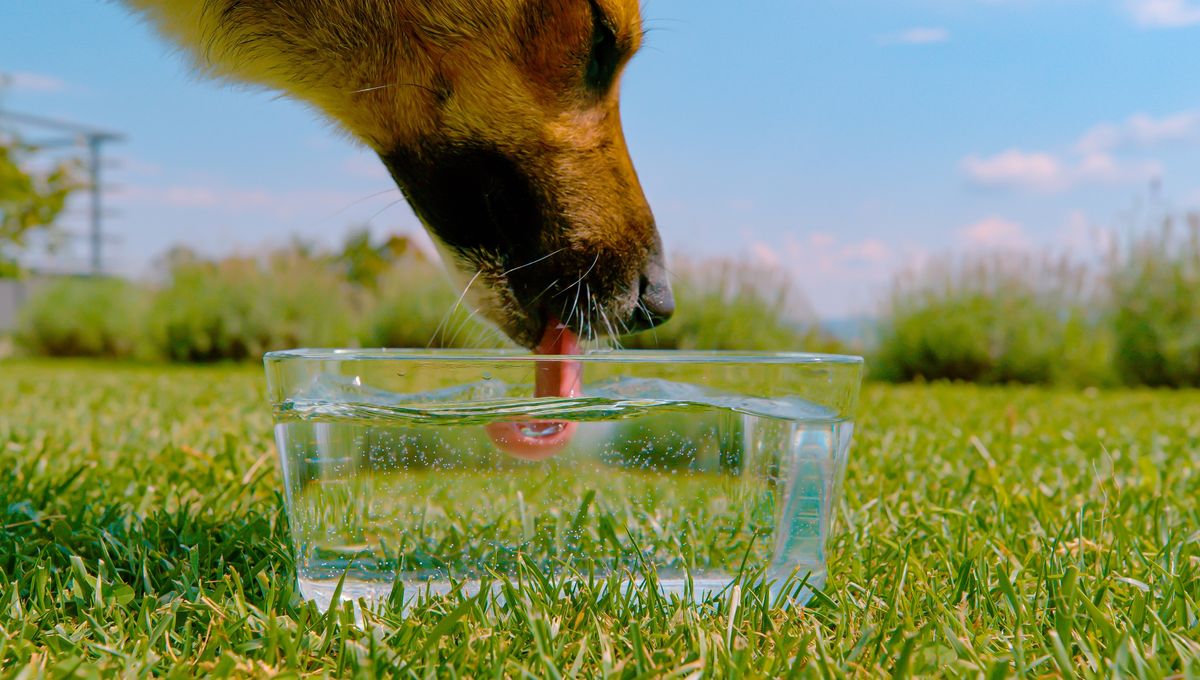
Dogs are undoubtedly humanity’s best friend (sorry, cats, but you just don’t make the same effort). Unfortunately, canine companions are also acquaintances with a bunch of nasty, disease-causing microbes that can be introduced to your home.
ADVERTISEMENT
One hotspot for lurgies that pet owners might not be keenly aware of is their water bowl. Take a close look at the bowl and if you notice an unusual build-up of gunk on its edges, you might be looking at something called a biofilm. It’s a literal breeding ground for bacteria, so regular cleaning is a must.
What’s a biofilm?
Biofilms are a community of microorganisms – typically bacteria, but also fungi, algae, and other microbes – that have become enveloped in a thin, gloopy matrix of extracellular substances.
These sticky biofilms help the microbes to attach to a surface and protect them from antibiotics, immune responses, harsh conditions, and other threats from the outside world.
Water bowls aren’t the only place you’ll find a biofilm; if there are bacteria, they’re likely to form biofilms on any surface where moisture, nutrients, and the right conditions exist, such as plumbing pipes, drains, hot springs, and the human body.
They often come in the color brown, but you can also see them in grey, green, red, pink, and all the beautiful colors of the rainbow, depending on the composition of bacteria, algae, or fungi involved.
Bacteria in dogs’ mouths
A dog’s mouth harbors billions of bacteria belonging to a large variety of species, similar in number to humans with around 700 species. Just like us, some are “good” bacteria that are beneficial to health or harmless, while others are “bad” bacteria that can be harmful and have the potential to cause disease.
ADVERTISEMENT
However, as you can probably tell by the smell, dogs and their humans have a completely different makeup of bacteria in their mouths. After all, you (hopefully) don’t spend your leisure time eating things you shouldn’t in the local park.
So, when you’re dog is slurping its tongue around its water bowl, some of the microbes can be transferred to the water where they multiply, build up, and form a biofilm. Bits of food and other organic matter in the water can also provide nutrients, fueling the growth of these microbes and creating a breeding ground for bacteria, fungi, and other microorganisms that thrive in moist environments.
In theory, making your dog drink from a biofilm-ridden bowl could lead to illness. Several bacteria that cause serious infections, including Campylobacter, E. coli, and Salmonella, can live within biofilms present in water bowls. These microbes, along with others responsible for stomach infections, urinary tract issues, and gum diseases, can thrive in the biofilm and pose a risk to your dog’s health.
How to remove biofilm from a dog bowl
To reduce the risk of biofilm build-up, wash the bowl each day with hot, soapy water. If you leave your pet’s bowls outside, it’s recommended that owners clean the bowl twice a day due to the increased risk of contamination from insects, fungi, plant debris, and so on.
ADVERTISEMENT
At the risk of stating the obvious, use a different brush or sponge to the one you use for scrubbing your own dishes, glasses, and cutlery.
Avoid using harsh chemicals, like kitchen degreasing agents and anti-bacterial sprays, as these could be harmful to your pet.
Instead, experts also suggest doing a “deep clean” involving vinegar each week. Simply soak your pet’s bowl in a solution of diluted white vinegar (about one part vinegar to two parts water) and let it sit for five to 10 minutes. Vinegar’s active ingredient, acetic acid, is effective against many types of common pathogenic bacteria and can break down the slimy biofilm.
In terms of bowls, opt for ceramic or stainless steel as these are the easiest to clean and lower the risk of biofilm build-up. If the bowl becomes chipped or cracked, then you should think about replacing it ASAP as these cervices are prime real-estate for bacteria.

Source Link: Brown Slime In Your Dog's Water Bowl Could Be Making Them Sick
