We know a great deal about aging in humans – we even have some idea of how to slow the process. But what about plants? Do they have a predetermined lifespan? Can they die of old age?
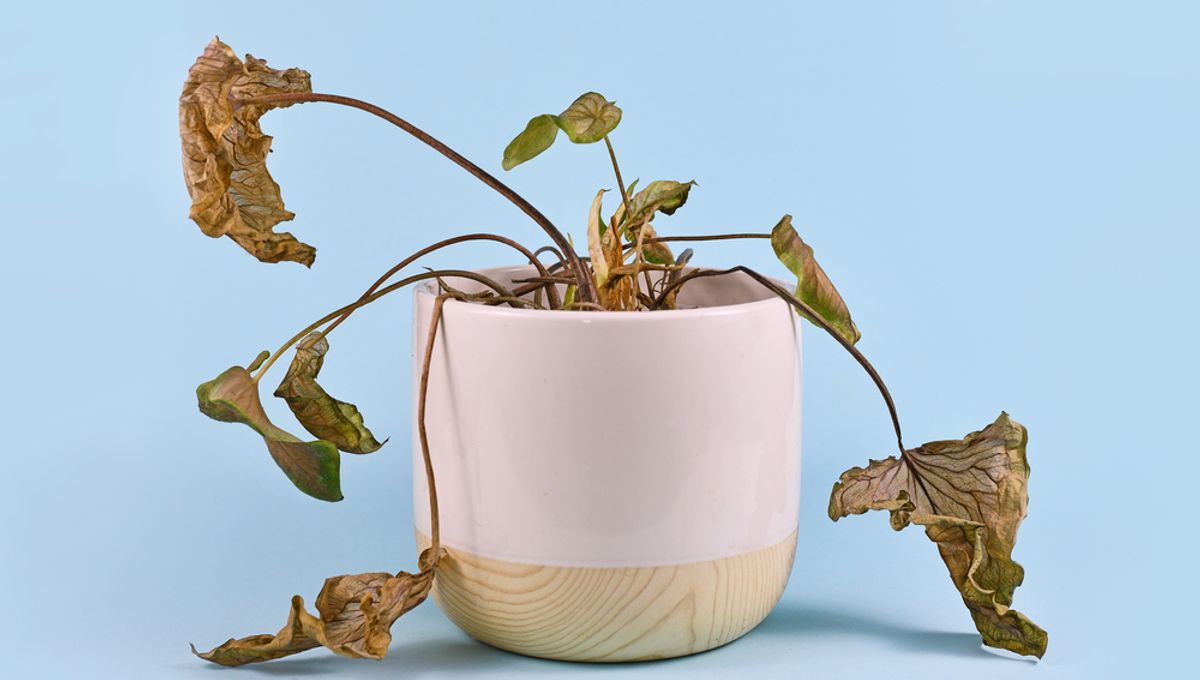
As you may have found out if you’ve ever dabbled in horticulture: plants die. Too much water, too little water, insufficient light, lack of nutrients, parasites, disease – these are among the reasons your favorite fern may have made its way to the big plant pot in the sky. Environmental factors, such as these, all help determine a plant’s longevity, but, as in our own species, genetics also has a part to play.
In the absence of adverse conditions, plants may live for longer but they will eventually die of old age. Even the world’s oldest trees are not immortal and deteriorate as they age, though this is almost imperceptible to us. “They live so long because they have many mechanisms to reduce a lot of the wear and tear of aging […] [But] they have limits,” said plant biologist Sergi Munné-Bosch in a 2020 statement. “There are physical and mechanical constraints that limit their ability to live indefinitely.”
As you may expect, their lifespan depends on the type of plant: some live for millennia, while some last just long enough to produce seeds and flower.
According to the Royal Horticultural Society, plants can be divided into three groups based on their life expectancy: annuals, biennials, and perennials. Annual plants grow, produce seeds, and die within one year, while biennials live for two growing seasons. Plants that live longer than that are called perennials.
Within each plant’s life cycle are two stages – juvenile and adult – the length of which differs between species. Juvenile plants undergo leafy, non-flowering growth, while mature plants can flower.
Plants are capable of “indeterminate growth”, which means they continue to grow until they die.
“The life span of plants is highly variable; some trees, for example, achieve what looks like immortality in comparison with animals,” C. Claiborne Ray wrote for The New York Times Science Q&A column in 2018. “One big difference in plants is that their growth areas, called meristems, appear to stay forever young and renewable.”
Meristems are regions of unspecialized cells in plants that are capable of cell division. They contain stem cells with the potential to become any type of specialized cell, meaning they have the ability to renew and regrow parts of the plant as needed.
“A tree branch may die while a new shoot appears elsewhere. Roots continue to grow throughout the life of a plant,” Claiborne Ray added.
However, all plants, no matter how well cared for or how genetically predisposed they are to live a long life, will perish at some point thanks to a process known as senescence. As plants age, their cell division slows and eventually stops, resulting in a failure to regenerate and, ultimately, in the plants’ death.
Several factors can influence senescence. Plant hormones, or growth regulators, can promote or impede aging, for example. The balance of these hormones can be affected by seasonal and environmental cues that trigger biochemical shifts within the plant.
In humans, telomere length plays an important part in longevity, and in plants, it appears to impact their life cycle, having been associated with flowering time variation, although it is not known if its effects on lifespan are applicable to plants.
Inevitably, all plants must succumb to death in the end – be it at the hands of their environment or age – but that doesn’t mean there aren’t some seriously impressive OAPs (old-aged plants) out there, like this 5,400-year-old “Great Grandfather” tree.
All “explainer” articles are confirmed by fact checkers to be correct at time of publishing. Text, images, and links may be edited, removed, or added to at a later date to keep information current.

Source Link: Can Plants Die Of Old Age? How Long Can They Live?
