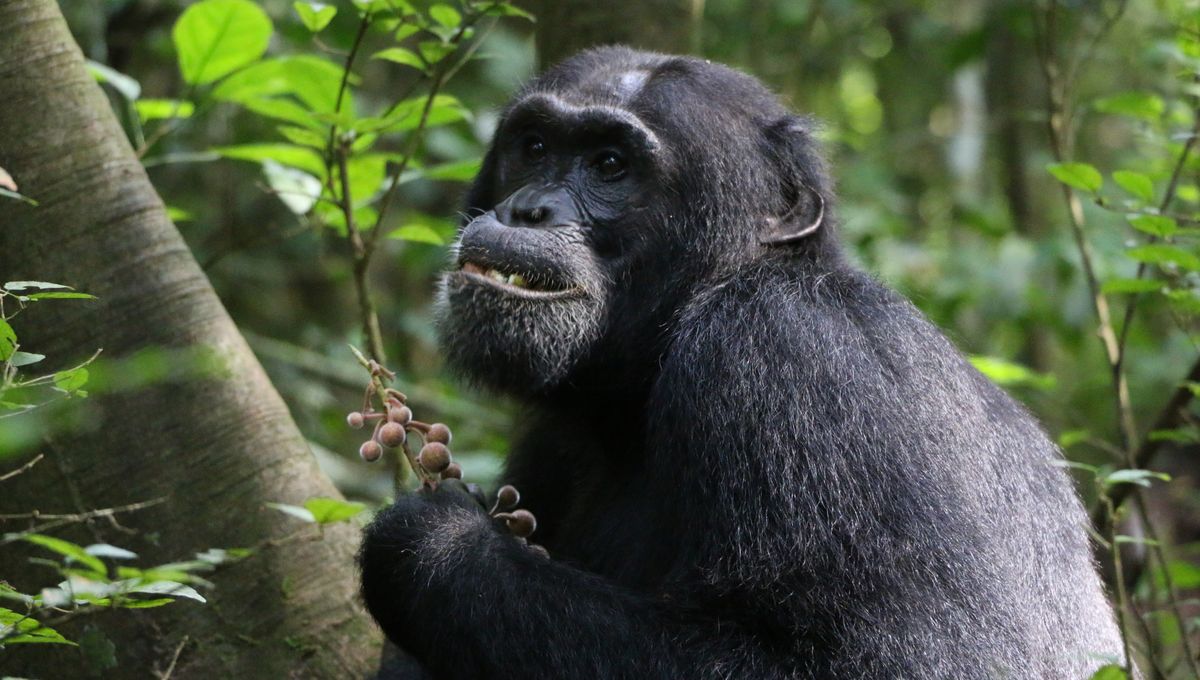
Chimpanzees intentionally seek out medicinal plants with antibacterial and anti-inflammatory properties when they are sick or wounded, new research has suggested. By documenting the primates’ incredible pharmaceutical practices, the study authors shine a light on the complexities of chimp behavior while also revealing potential new sources of vital medications for humans.
The idea of self-medicating chimpanzees has been tentatively suggested by primatologists for a number of years, as the animals are regularly seen eating plants that have no apparent nutritional value or contain toxins. To understand exactly why the apes consume these unpalatable species, the authors of the new study monitored the health and feeding behavior of 51 chimpanzees from two populations in Uganda’s Budongo Central Forest Reserve.
In total, the researchers identified 13 plants that the chimps seemed to seek out only when suffering from health problems. Lab tests revealed that 88 percent of the extracts studied inhibited the growth of pathogenic bacteria, including the six strains that make up the so-called ESKAPE group of harmful microbes that have become highly resistant to existing antibiotic medications.
Commenting on these findings in a statement seen by IFLScience, study author Dr Elodie Freymann explained that “after spending months in the field collecting behavioral clues that led us to specific plant species, it was thrilling to analyze the pharmacological results and discover that many of these plants exhibited high levels of bioactivity.”
For instance, the strongest antimicrobial activity was produced by the wood of the tree species Alstonia boonei, which belongs to the Dogbane family. According to the researchers, this plant is well known for its healing properties across East Africa, where it is “commonly used for a variety of reproductive, bacterial, and gastro-intestinal issues, as well as for snake bites, asthma, and dizziness.”
During the study period, numerous chimpanzees were observed ingesting dead wood from this tree seemingly to treat parasitic infections such as tapeworm.
Bark and resin from the East African mahogany tree (Khaya anthotheca), meanwhile, were found to be highly potent inhibitors of pathogens such as E. coli and E. faecium, both of which commonly cause illness in humans and have become increasingly resistant to treatment. The study authors observed at least three wounded chimpanzees consuming elements of this tree – possibly as a means of preventing infection – while another also ingested the bark while suffering from a persistent cough.
A third of all plant extracts analyzed also displayed anti-inflammatory properties, with one of the most potent being the leaves of a type of fern called Christella parasitica. Interestingly, the only chimp that the researchers saw eating this fern happened to have an injured hand, leading them to speculate that the plant may help to reduce pain and swelling.
With antibiotic resistance now among the leading global health crises, Freymann suggests that following these self-medicating primates may help us to develop new and more effective drugs against stubborn pathogens. “Our study highlights the medicinal knowledge that can be gained from observing other species in the wild and underscores the urgent need to preserve these forest pharmacies for future generations,” she said.
The study is published in the journal PLOS ONE.

Source Link: Chimpanzees Self-Medicate With Antibiotic Plants From The Forest Pharmacy
