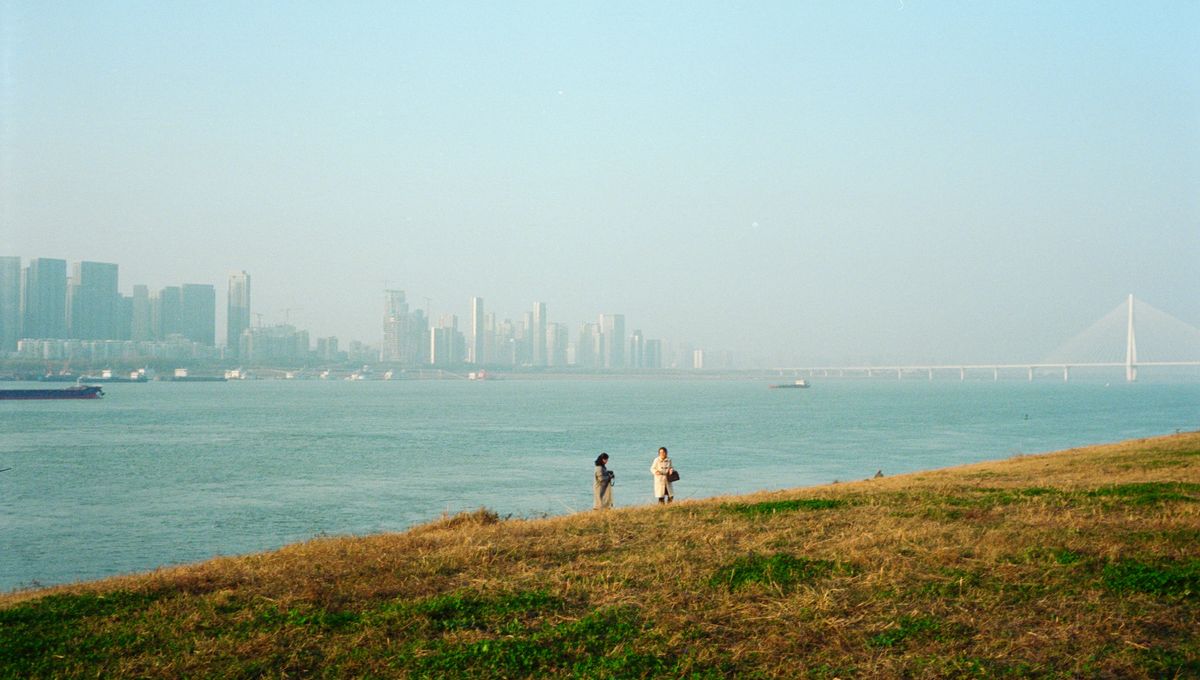
China’s got a problem. The southern regions of the country are relatively humid and well-watered, yet much of the north suffers from parchingly arid conditions. This issue has become increasingly burdensome as a third of the nation’s vast population is concentrated in the dry northern basins.
A bold solution is being delivered in the form of the South-North Water Transfer Project (SNWTP), an engineering megaproject that aims to shift 44.8 billion cubic meters of freshwater from the south of the country to the north each year by 2050. For context, that quantity of water is more than twice the flow of the Colorado River in the US.
The project is said to have been inspired by Mao Zedong who reportedly said in 1952: “The South has plenty of water and the North lacks it, so if possible why not borrow some?”. However, the ambitious plan only became seriously talked about by senior leaders in the 1990s when China’s fortunes were rising and the population continued to skyrocket.
The water is transported almost entirely downstream using gravity through a network of artificial channels and canals. The network will eventually consist of three main passages – the Western Route Project, the Middle Route Project, and the Eastern Route Project – which divert water from the upper, middle, and lower reaches of the Yangtze River towards the north and northwest.
Water started flowing down the Eastern and Middle Routes in December 2013 and December 2014, delivering fresh water to parts of the Huang-Huai-Hai plain and beyond.
China estimates that some 185 million people living in dozens of cities along the two routes have already benefited from the project’s flow. Even Beijing, the capital city of over 22 million residents, receives substantial amounts of its water via the SNWTP.
However, the Western Route is still being planned as of late 2024. The route’s progress has been slowed by international concerns that the reduced water flows would impact millions in other countries, like India.
On top of annoying the neighbors, the project has not come cheap. The initiative had a projected price tag of at least $71 billion. In 2014, the SNWTP and other water transfer projects accounted for around 1 percent of China’s GDP, around $150 billion.
There has also been an immense social cost. According to Chinese media, at least 440,000 people had to be “relocated” from their homes in central China to make way for the first stage of the project’s eastern and central routes.
Additionally, there are huge environmental concerns, as is often the case with engineering projects on this scale. Studies have shown that the project has reduced water quality across the board in adjacent river systems, plus significantly reduced the abundance of fish and marine life in those waters.
While the SNWTP is regarded as an investment in the future, the arid north continues to face severe water shortages, with no assurance it will withstand the looming climate change-induced droughts.

Source Link: China's $71 Billion Artificial Megariver Aims To Save The North From Drought
