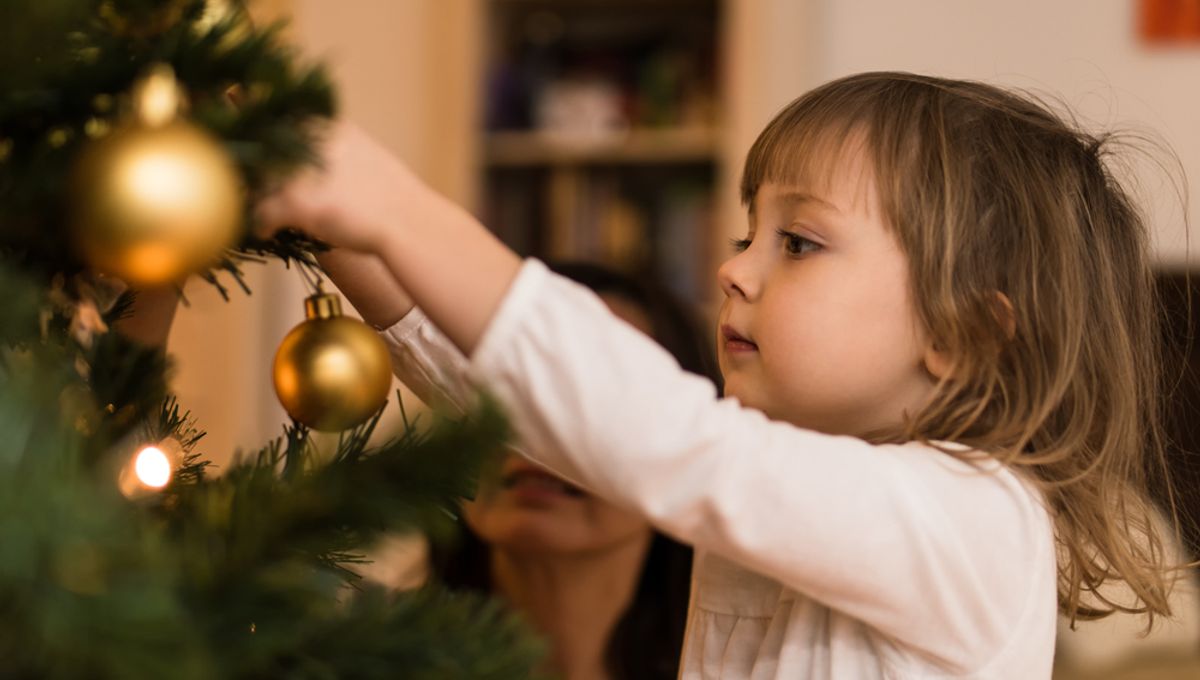
Asthma UK has provided a list of suggestions for how people can manage the festive season safely, particularly if they or loved ones have breathing difficulties. Although much of the advice, such as making sure not to run out of medications while stores are shut, looks obvious once provided, they also warn about a danger few people may have contemplated – harmful Christmas trees.
The trees in question are not angry Lord of the Rings characters seeking revenge on those who felled them. Instead, the problem is what can be carried along with the piney smell of a real Christmas tree.
“Real Christmas trees bring mould spores and pollen into the house,” Asthma UK warn on their website. “And in a warm, centrally heated home, spores can multiply. If you’re sensitive to mould and pollen, you may notice symptoms similar to hay fever when you get a real tree. On top of this, your asthma symptoms could also get worse.”
Just buying an artificial tree isn’t necessarily a solution, however, at least if you don’t want the plastic guilt of throwing it out and buying a new one each year. “If you find your asthma is triggered by dust, you may need to be careful when getting your artificial tree out of the cupboard or down from the loft,” the charity warns.
The problem has been named Christmas Tree Syndrome in the hope of raising awareness.
The issue is particularly acute for their UK audience and others in cold climates. Even in years not beset by a respiratory disease pandemic colds and flu spread easily with so many people in close confinement coinciding with seasonal highs. Moreover, Asthma UK counsels; “Going from a warm house to cold weather outdoors can trigger asthma symptoms.” Open fires may look and feel beautiful, but the smoke is a common asthma trigger.
Nevertheless, Australia’s National Asthma council has similar warnings, with their representative David Furniss telling Perth radio 6PR; “If you have an artificial tree, it’s wrapped in plastic, a bag, etc., and you’ve been trapped in a cupboard for 12 months somewhere, without thinking, unaware that it’s full of dust and mites. It’s likely to get moldy, which can really cause problems.”
So what to do? Taking the problems in reverse order, the Asthma UK website suggests:
- Using smokeless fuels, and asking those you’re visiting to do the same
- Wearing a scarf outside loosely over your nose and mouth, as this warms up the air before you breathe it in.
- Getting vaccinated against influenza as well as COVID-19, frequent hand-washing and avoiding symptomatic people.
- Vacuuming and/or wiping down artificial Christmas trees. This is best done outdoors, although that may be easier where the weather is kinder
Real Christmas trees pose more of a problem, but the website suggests a multi-step solution, starting with hosing the tree down before bringing it into the house (but letting it dry before adding lights). Trees should also be kept; “In the coolest part of the house, so that spores are less likely to multiply” and moved outside as soon as anyone shows signs of their asthma symptoms getting worse. If the problem gets bad, Asthma UK suggest getting an artificial tree instead.
A version of this article first appeared in December 2021.

Source Link: Christmas Tree Syndrome Could Be A Concerning Health Hazard
