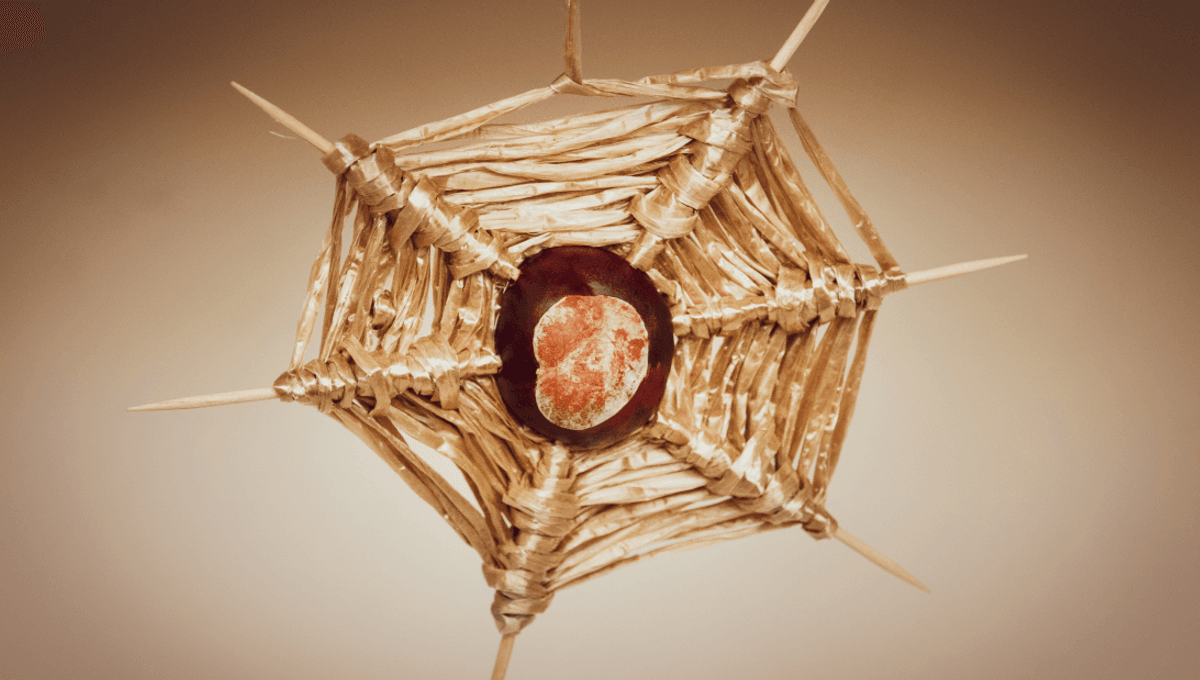
Do you find spiders a bit creepy? Are you considering putting conkers on your windowsill to keep the spiders away? We laud you for your efforts to tackle the issue in a humane way, but regrettably, it won’t work.
You may have heard the same said for walnuts and Osage orange, but filling your house with these items will at best look a bit autumnal, and at worst could end up upsetting your dog’s stomach. The idea of natural spider repellents is appealing, but so far unproven, and there’s an interesting explanation as to why these plant products don’t make an effort to repel spiders.
What is a conker?
If you’re wondering what a conker is, it’s the glossy brown seed that comes from horse chestnut trees. In parts of the world they’re the crucial weapon in a children’s game that – sometimes – gets a little out of hand. So, are they weapons against arachnids?
Do conkers keep spiders away?
No. There’s no evidence to suggest that this is an effective spider repellent, and there’s also good reason to suspect it’s rubbish. Curator of Arachnids at the Burke Museum, Rod Crawford, has written a lot on spider myths, from the idea that camel spiders can clock 25 mph, to the surprisingly widespread fear that our bananas are full of spider eggs.
Natural spider repellents were evidently on Crawford’s takedown list, and it turned up an interesting fact: spiders rarely show any signs that they’re able to detect airborne odors. So much for spidey sense, I guess, but they can hear with their legs.
Even if the spiders could detect airborne odors, it’s unlikely conkers are putting out anything to keep them away. This is because spiders don’t represent a threat to these trees, so there’s no driving force to evolve a defense against them (that’s not to say that plants can’t be absolutely brutal when it comes to protecting themselves, mind).
As for Osage oranges and walnuts? The same rules apply, and the risk in having any of these things laying around your house is if you’re also sharing your home with dogs and small children. Autumnal trinkets they may be, but certain walnuts are toxic for dogs and small round things like conkers have a nasty habit of getting stuck in airways.
Time for a new roommate?
Until somebody finds a rare kernel that really gives spiders the shivers, accepting house spiders might be the best option, and turning fear to fascination is one of the best ways to achieve that (we also recommend watching them sleep).
Whether the spiders in your home present a threat really comes down to where you live, but the common varieties aren’t out to get you, and are likely a bonus when it comes to dealing with more problematic home invaders like moths and mosquitoes. Spiders have already been used as a form of environmentally friendly pest control in agriculture, and in parts of the world they even take out the occasional possum, but that might be taking it a bit too far…

Source Link: Do Conkers Keep Spiders Away? Please, Eight Legs Can Handle A Seed
