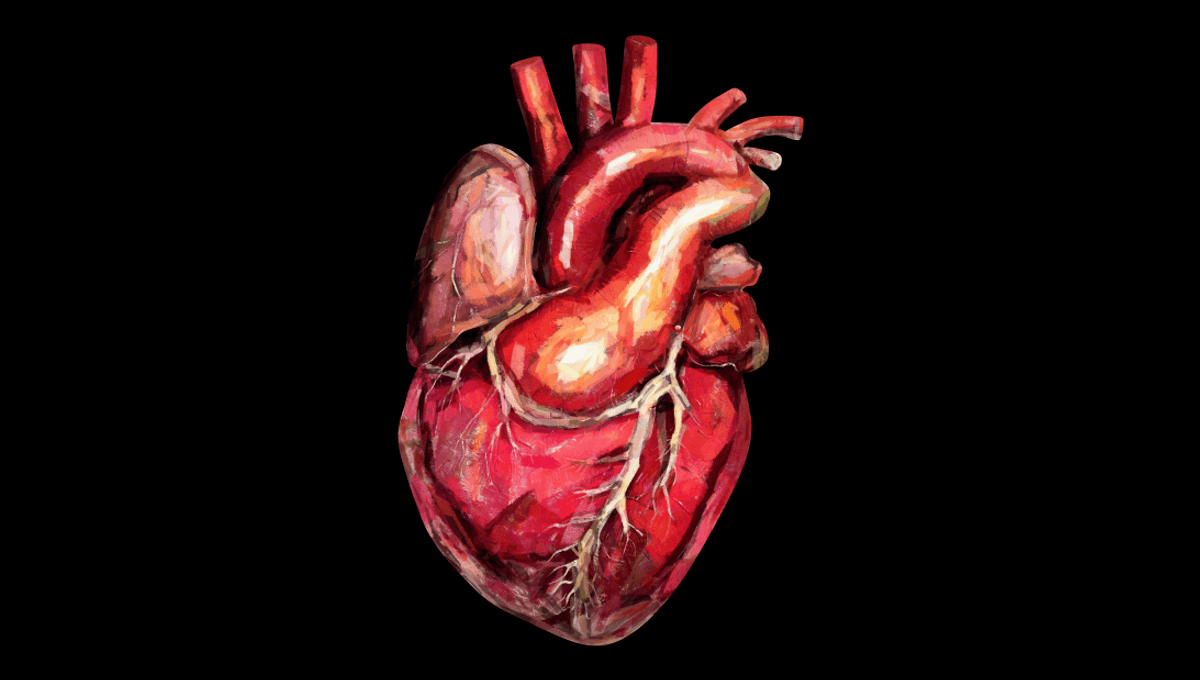
How do we know when someone is truly dead? It used to be simple: no pulse + no breath = no life. Now, new discoveries are changing what we know about what happens when you die and blurring the line between life and death in the process, especially when it comes to donor organs and organ transplantation.
One of the most striking examples of this is donation after circulatory death (DCD), or non-beating organ donation, where organs are retrieved from a person’s body after they’ve been declared dead based on cardio-respiratory data. This differs from traditional organ donation, which usually occurs when someone is declared brain dead but still has a beating heart. DCD can boost the number of available donor organs for the people who so desperately need them, but it can be more complicated.
There are two main categories of DCD: controlled and uncontrolled. Some DCD transplantations can be planned retrievals, such as in the example of people for whom life-sustaining treatments are being withdrawn. It can also occur in uncontrolled settings, such as in emergency cases where a person is either dead on arrival or doesn’t respond to resuscitation attempts.
It’s a strange thought, that your heart might have another life without you, but it’s also a hopeful one. It can mean the difference between life and death for another person, and two new approaches have just tackled key ethical considerations in the process.
Doctors have found a way to reanimate non-beating hearts using normothermic regional perfusion (NRP). This involves restoring blood flow to the heart so that it can start beating again before it gets removed. Only problem is, if the heart is beating, is the donor still dead?
Adoption of the approach has therefore been slow as people weigh up the ethics, but now, two new methods have found a way to bring dead hearts “back to life” after they’ve already been removed from the donor. One, published in the New England Journal of Medicine (NEJM), removed a donor heart and then pumped it full of oxygenated blood on an operating table. This got the heart beating again, and it was successfully transplanted into a 3-month-old child.
Another team (who also published in NEJM) tried a different approach by cooling donor hearts and infusing them with an “ultraoxygenated” solution before retrieval. This kept the hearts viable for long enough that they could be transplanted and achieved several successful outcomes.
“In the first three reported cases in which this method was used, the hearts were transplanted successfully with normal biventricular function, no evidence of acute cellular or antibody-mediated rejection, and excellent early postoperative outcomes,” wrote the authors. “No adverse events were reported during the perioperative period. By avoiding the limitations of ex situ perfusion platforms as well as the controversial aspects of thoracoabdominal normothermic regional perfusion, this method of heart recovery offers the possibility of broad application.”
Is it a little freaky? Sure, but it’s also one of the more astonishing examples of how science is changing the way we look at death while also giving a person a shot at life.
Does it also make you thankful that you aren’t living in the timeline of the first heart transplant? Yes, definitely yes.
[HT: PopSci]

Source Link: Doctors Find 2 New Ways To Bring “Dead” Hearts Back To Life Outside The Body
