• Email Us: [email protected]
  • Contact Us: +1 718 874 1545
  • Skip to main content
  • Skip to primary sidebar

Medical Market Report

  • Home
  • All Reports
  • About Us
  • Contact Us

First-Ever Human Case Of H5N5 Bird Flu Results In Death Of Washington State Resident

November 25, 2025 by Deborah Bloomfield

The first person known to have been infected with the H5N5 strain of avian influenza has died, the Washington State Department of Health announced Friday. 

The rest of this article is behind a paywall. Please sign in or subscribe to access the full content.

“Out of respect for the family’s privacy, we are not releasing their name, gender, or age,” reads a statement from the department. What is known is that the individual was an “older adult” with some preexisting health issues. After contracting the virus, which had never previously been recorded in humans, they had been receiving hospital treatment in King County. 

The statement stressed that the risk to the general public remains low, and that no other people connected with the case have since contracted avian flu, although monitoring will continue.

There is, at this time, no reason to suspect that the H5N5 virus is capable of spreading from person to person. The same is true of the H5N1 highly pathogenic bird flu strain that caused the other 70 cases of human infection recorded in the US, and which has been causing infections in wild birds, poultry, dairy cows, and other mammals over the last couple of years. 

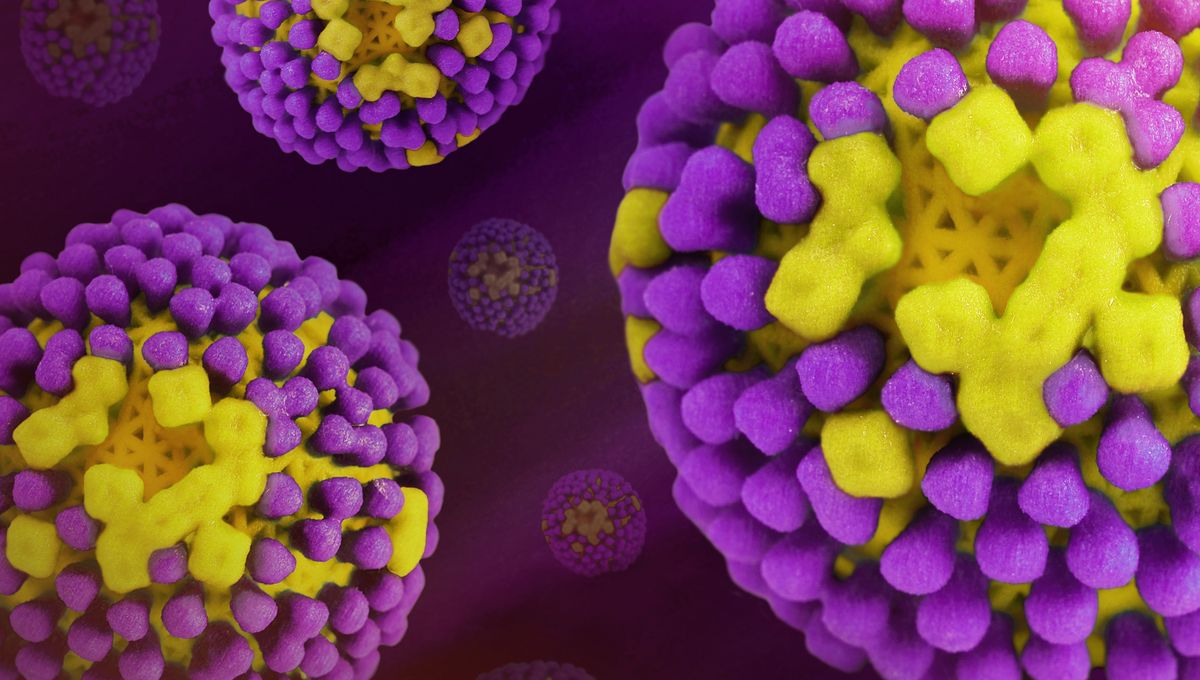
Flu viruses are identified by two of their surface proteins, hemagglutinin (H) and neuraminidase (N). There are 18 possible H subtypes and 11 possible N subtypes, but the majority of possible combinations have only been seen in avian flu viruses. It is rare for these to spill over into humans, but cases do occur, as we’ve been seeing with H5N1. Those who work with or spend a lot of time close to wild or domestic birds are most at risk.

The Washington State Department of Health confirmed that the individual who recently died kept a backyard flock of a range of domestic birds. Avian flu testing of the flock came back positive, so it’s thought that the birds themselves, their environment, or visiting wild birds are the most likely source of exposure for this patient. 

The US Department of Agriculture publishes guidance on symptoms of avian flu that those who keep birds should look out for, as well as tips on prevention. 

The Washington State Department of Health also advised that people who are regularly exposed to wild or domestic birds should not skip their annual flu shot. “While the seasonal flu vaccine will not prevent bird flu infection, it reduces the risk of becoming sick with both human and avian influenza viruses at the same time,” they write.

This is especially important to help prevent the emergence of a recombinant flu virus with greater ability to infect humans – an event that, while unlikely, could push us closer to a flu pandemic.

Deborah Bloomfield
Deborah Bloomfield

Related posts:

  1. Soccer-PSG hit back at LaLiga chief Tebas over age and spending jibes
  2. Investors tune in as Universal leaps on market debut
  3. U.S. urges fair treatment for Georgia’s Saakashvili
  4. Men Can’t Be Trusted To Measure Their Own Penis Size, Study Finds

Source Link: First-Ever Human Case Of H5N5 Bird Flu Results In Death Of Washington State Resident

Filed Under: News

Primary Sidebar

  • US Just Killed NASA’s Mars Sample Return Mission – So What Happens Now?
  • Art Sleuths May Have Recovered Traces Of Da Vinci’s DNA From One Of His Drawings
  • Countries With The Most Narcissists Identified By 45,000-Person Study, And The Results Might Surprise You
  • World’s Oldest Poison Arrows Were Used By Hunters 60,000 Years Ago
  • The Real Reason You Shouldn’t Eat (Most) Raw Cookie Dough
  • Antarctic Scientists Have Just Moved The South Pole – Literally
  • “What We Have Is A Very Good Candidate”: Has The Ancestor Of Homo Sapiens Finally Been Found In Africa?
  • Europe’s Missing Ceratopsian Dinosaurs Have Been Found And They’re Quite Diverse
  • Why Don’t Snorers Wake Themselves Up?
  • Endangered “Northern Native Cat” Captured On Camera For The First Time In 80 Years At Australian Sanctuary
  • Watch 25 Years Of A Supernova Expanding Into Space Squeezed Into This 40-Second NASA Video
  • “Diet Stacking” Trend Could Be Seriously Bad For Your Health
  • Meet The Psychedelic Earth Tiger, A Funky Addition To “10 Species To Watch” In 2026
  • The Weird Mystery Of The “Einstein Desert” In The Hunt For Rogue Planets
  • NASA Astronaut Charles Duke Left A Touching Photograph And Message On The Moon In 1972
  • How Multilingual Are You? This New Language Calculator Lets You Find Out In A Minute
  • Europa’s Seabed Might Be Too Quiet For Life: “The Energy Just Doesn’t Seem To Be There”
  • Amoebae: The Microscopic Health Threat Lurking In Our Water Supplies. Are We Taking Them Seriously?
  • The Last Dogs In Antarctica Were Kicked Out In April 1994 By An International Treaty
  • Interstellar Comet 3I/ATLAS Snapped By NASA’s Europa Mission: “We’re Still Scratching Our Heads About Some Of The Things We’re Seeing”
  • Business
  • Health
  • News
  • Science
  • Technology
  • +1 718 874 1545
  • +91 78878 22626
  • [email protected]
Office Address
Prudour Pvt. Ltd. 420 Lexington Avenue Suite 300 New York City, NY 10170.

Powered by Prudour Network

Copyrights © 2026 · Medical Market Report. All Rights Reserved.

Go to mobile version