Scientists have used AI to identify two novel subtypes of multiple sclerosis (MS), which could offer new, targeted treatments for patients.
MS affects around 2.8 million people across the world. It’s a chronic condition where the body’s immune system mistakenly attacks the protective cover, called myelin, that surrounds nerve cells. The damage to this sheath causes signals being sent through the central nervous system to be interrupted, resulting in various symptoms that cause pain, spasms, and fatigue, and can impact someone’s vision, muscle strength, and sense of balance, among other things.
Although there is no current cure for the disease, treatments have been developed that focus on slowing its progression and alleviating symptoms. However, this approach has mixed success, as it may not address the patient’s underlying biology. This means patients don’t always receive personalized treatments for their disease.
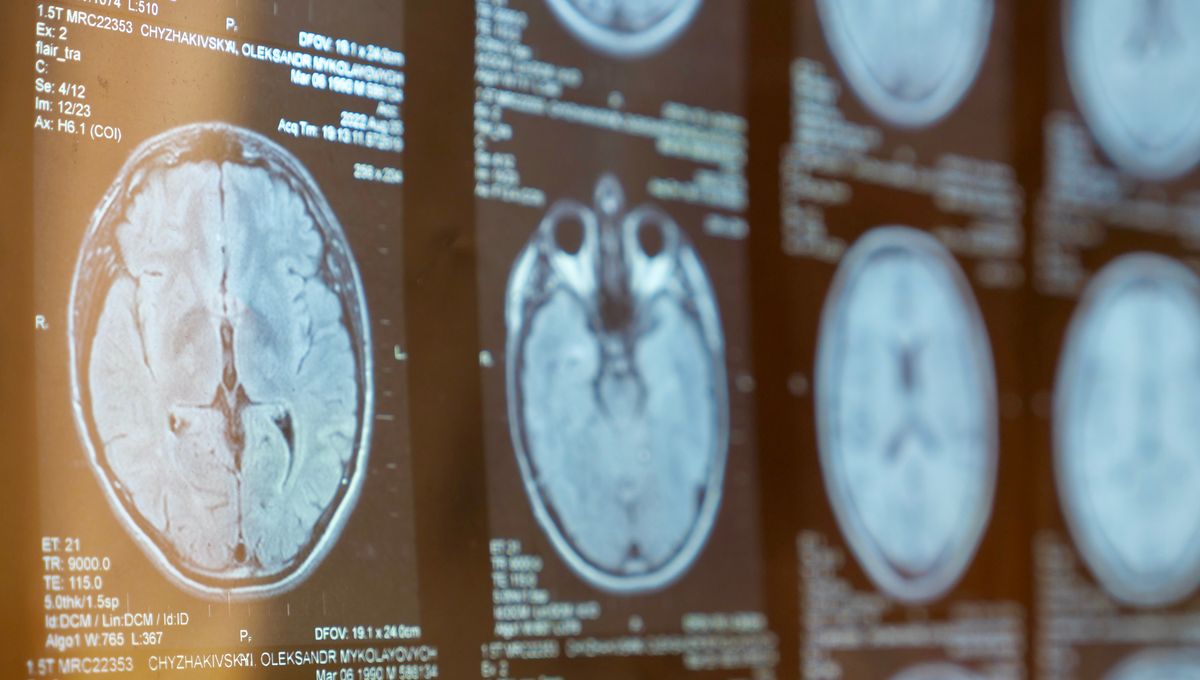
In order to overcome this, an international team of scientists has recruited artificial intelligence (AI) to help identify new, more specific, strands of MS. They did so by assessing brain scans (MRIs) and the levels of serum neurofilament light chain (sNfL) present in patients’ blood. sNfL is a protein that can be used as a biomarker to indicate nerve damage and potentially help predict or monitor disease activity, especially for conditions like MS.
The team, consisting of researchers from University College London (UCL) and Queen Square Analytics, analysed 634 patients with relapsing-remitting and secondary progressive MS – the former is the most common form of MS, while the latter is a stage of the disease that typically follows on from it.
The machine learning model the team developed, known as SuStaIn, identified two distinct types of MS based on biological information – early-sNfL and late-sNfL.
“By integrating MRI and sNfL measures in a single unsupervised model, we have defined biologically grounded MS types that capture diverse disease pathways and their clinical implications,” the team explains in their paper.
According to their assessment, patients with the first subtype tended to display elevated levels of sNfL at an earlier point in their disease, along with more lesions in part of the brain known as the corpus callosum (a large bundle of nerve fibers that connects the brain hemispheres). They also appeared to accrue more brain lesions in the disease’s early stage.
In contrast, the late-sNfL subtype was characterized by volume loss within the limbic cortex – part of the brain that controls emotions, memory, and motivation – and within the deep gray matter before sNfL levels elevated. This appears to be a slower form of the disease, but it can lead to a “more insidious trajectory of neurodegeneration,” as the authors say.
These results represent a potentially groundbreaking step towards the development of more targeted treatments, as it helps them identify how the patient’s disease is likely to progress.
“MS is not one disease and current subtypes fail to describe the underlying tissue changes, which we need to know to treat it,” Dr Arman Eshaghi, the lead author, told The Guardian.
“By using an AI model combined with a highly available blood marker with MRI, we have been able to show two clear biological patterns of MS for the first time. This will help clinicians understand where a person sits on the disease pathway and who may need closer monitoring or earlier, targeted treatment.”
The paper is published in Brain.

Source Link: Groundbreaking Discovery Of Two MS Subtypes Could Lead To New Targeted Treatments
