It’s pretty clear when we humans are aging; gray hair, wrinkles, mysterious creaking noises when getting out of bed in the morning. Those signs make it a lot easier to guess roughly how old we are, but when it comes to wild birds, they lack such obvious clues. So how long do wild birds actually live for?
Techniques such as bird ringing or banding, though not a flawlessly accurate system, have helped scientists along the way in figuring out the answer to that question.
Backyard birds
Many of our favorite backyard visitors also happen to have some of the shortest lifespans when it comes to wild birds. A staple of British gardens and Christmas cards alike, the robin, for example, typically only lives for about 2 years. Across the pond, it’s the same story for the black-capped chickadee – though the oldest ever recorded is thought to have lived for over 11.5 years.
Bald eagles
The bald eagle might be best known as an American icon – though Benjamin Franklin apparently wasn’t a fan – but arguably that’s not the most impressive thing about it. On top of having a wingspan longer than most adult men are tall, bald eagles living in the wild typically have a lifespan anywhere between 20 to 30 years.
Up to 30 years is quite the achievement, but that’s only an average; the oldest known wild bald eagle lived to an even more impressive 37 years old.
The reigning champ
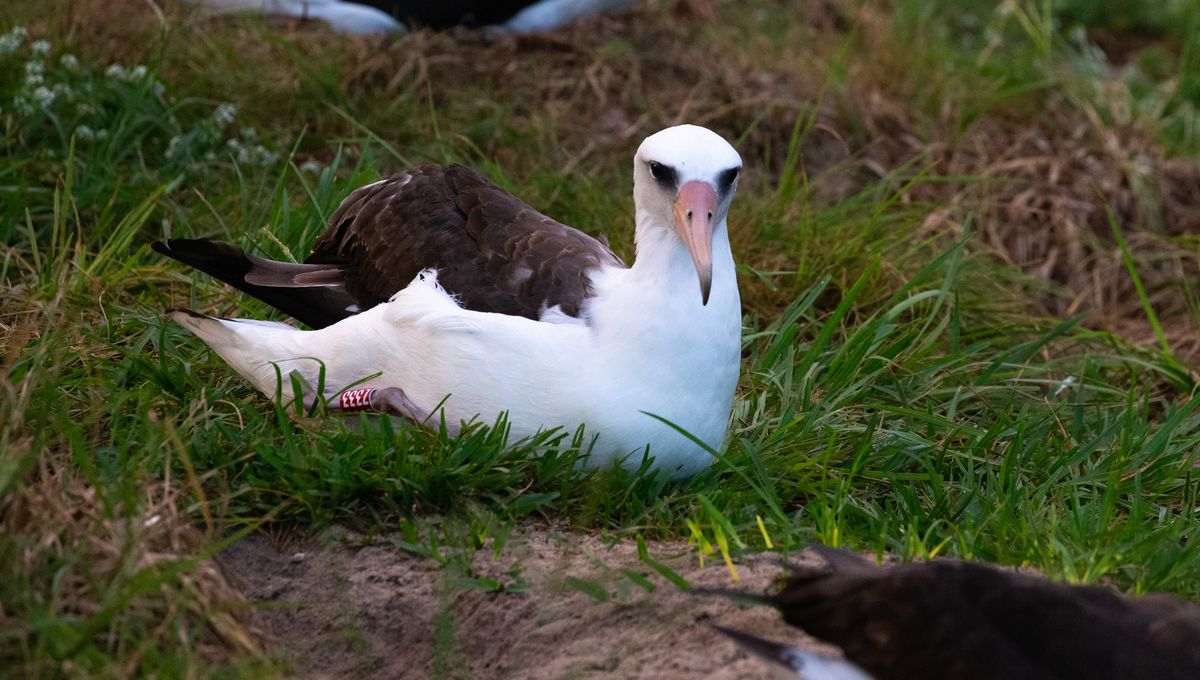
But what about the oldest living wild bird? That title goes to a Laysan albatross known as Wisdom. This species can live for more than 50 years, which is certainly nothing to be sniffed at, but Wisdom appears to have taken a look at the number and said, “Bet.”
Believed to have hatched in 1951, Wisdom is now a whopping 74 years old. In that time, she’s believed to have mothered somewhere between 30 to 36 chicks, even hatching one at the tender age of 70.
Unfortunately, living to such a mighty age also comes with an increased risk of outliving your mate. Albatrosses normally mate for life, but it’s now been three years since her partner Akeakamai – Hawaiian for “lover of wisdom” – has been spotted at their nesting site, with many suspecting that he had died.
It’s not all bad news though, as she was recently spotted getting back in the game.
Why do wild birds live so long?
Wild birds live for a surprisingly long time. Great for them, but it doesn’t make much sense when you take a look at the rest of the animal world. Bigger body size equaling longer lifespan isn’t exactly an unbreakable rule, but it does stand true the vast majority of the time – but many birds live two to three times longer than mammals the same size as them.
Many birds also have super-fast metabolisms, which is also normally attributed to faster aging in animals because of the damage it causes to cells. Some research suggests that birds are able to live longer than expected under these conditions because they could have mechanisms that mitigate such damage.
Others propose that their longevity comes down to their ability to fly. “They’ve had to be so highly engineered to succeed at flight,” Steven Austad, a biologist who studies aging, told Audubon magazine. “That kind of physiological integrity has allowed them to stay healthy much longer than another animal.”
However they manage to do so, living so long against the odds is an impressive feat – and one that might provide some clues to our own aging process, too.

Source Link: How Long Do Wild Birds Live?
