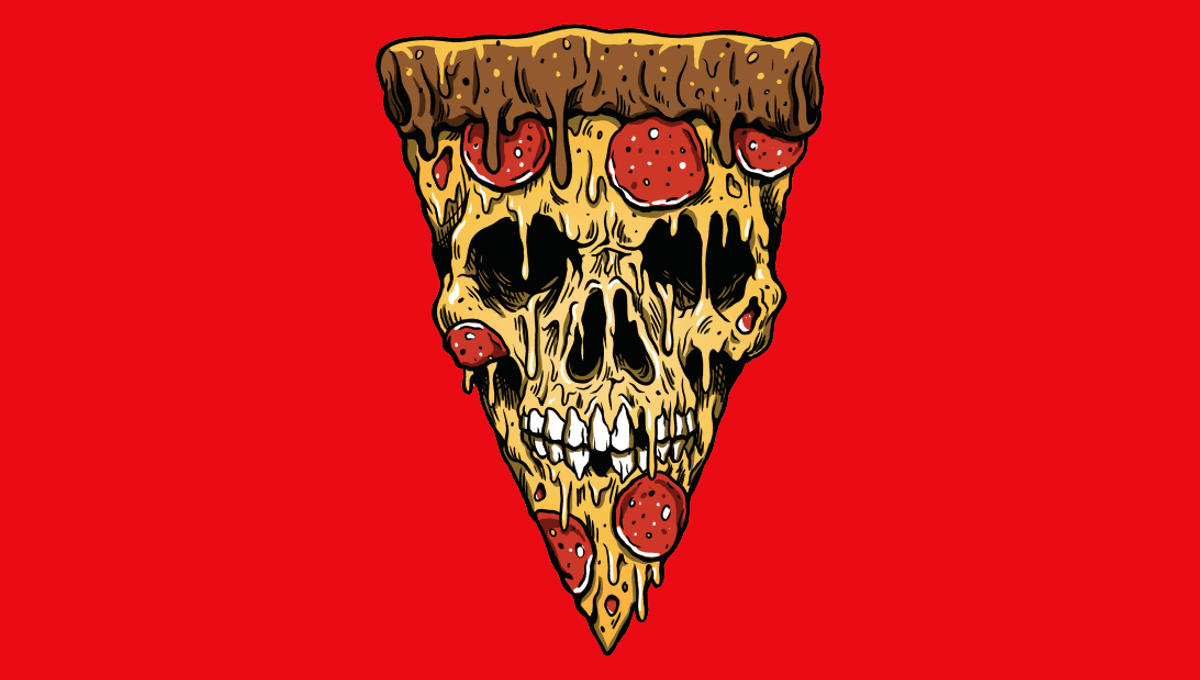
An after-dinner cheese board? Can’t beat it. Silly little knives, fruity little chutneys, and mounds of glorious cheese, but the evening can take a turn when it’s time to go to sleep and the nightmares come knocking. Now, a new study has found that it could all come down to intolerances and allergies.
The study looked at the experiences of 1,082 students at MacEwan University, asking them about their sleep patterns and quality, whether they had dreams or nightmares, and if they’d noticed any associations between their dreams and dietary choices. They also explored their relationship with food more broadly, as well as their general mental and physical health.
The answers revealed a strong association between lactose intolerance and nightmares. It could be, then, that the gastrointestinal upset certain people experience after eating dairy could be what’s triggering the negative dreams as we sleep, rather than the cheese itself being some kind of gateway to nightmare town.
“Nightmares are worse for lactose-intolerant people who suffer severe gastrointestinal symptoms and whose sleep is disrupted,” said lead author Dr Tore Nielsen of Université de Montréal in a statement sent to IFLScience. “This makes sense, because we know that other bodily sensations can affect dreaming. Nightmares can be very disruptive, especially if they occur often, because they tend to awaken people from sleep in a dysphoric state. They might also produce sleep avoidance behaviors. Both symptoms can rob you of restful sleep.”
Unfortunately, if you fall into that camp, you might not like the solution, as Nielsen suggests that changing eating habits could be the best route for alleviating nightmares. The news gets worse if you’re a dessert lover, as sweet treats actually came in first as the most reported food connected to altered dreams and nightmares.
Thirty-one percent of participants blamed their most bizarre and disturbing dreams on desserts and sweets, while 22 percent blamed it on dairy, 16 percent on meat, and 13 percent on spicy food. Emotionally-charged binge eating was also associated with disturbing dreams, while bigger gaps between eating healthy meals seemed to make them more vivid and easier to recall.
The authors conclude that the research gives weight to the argument that food really can alter our dreams, and that intolerances could be a previously unrecognized source of severe or frequent nightmares. As for why this association between intolerances and nightmares hasn’t been highlighted before (including in an earlier study Nielsen did 11 years ago), it could be that we’re more aware of food intolerances now than we have been in the past. There are still lots of questions to be answered as to exactly how it is that the two interact, but the team has plans to tackle these in the future.
“We need to study more people of different ages, from different walks of life, and with different dietary habits to determine if our results are truly generalizable to the larger population,” said Nielsen. “Experimental studies are also needed to determine if people can truly detect the effects of specific foods on dreams. We would like to run a study in which we ask people to ingest cheese products versus some control food before sleep to see if this alters their sleep or dreams.”
The study is published in the journal Frontiers in Psychology.

Source Link: Love Cheese But Hate Nightmares? Bad News, It Looks Like The Two Really Are Related
