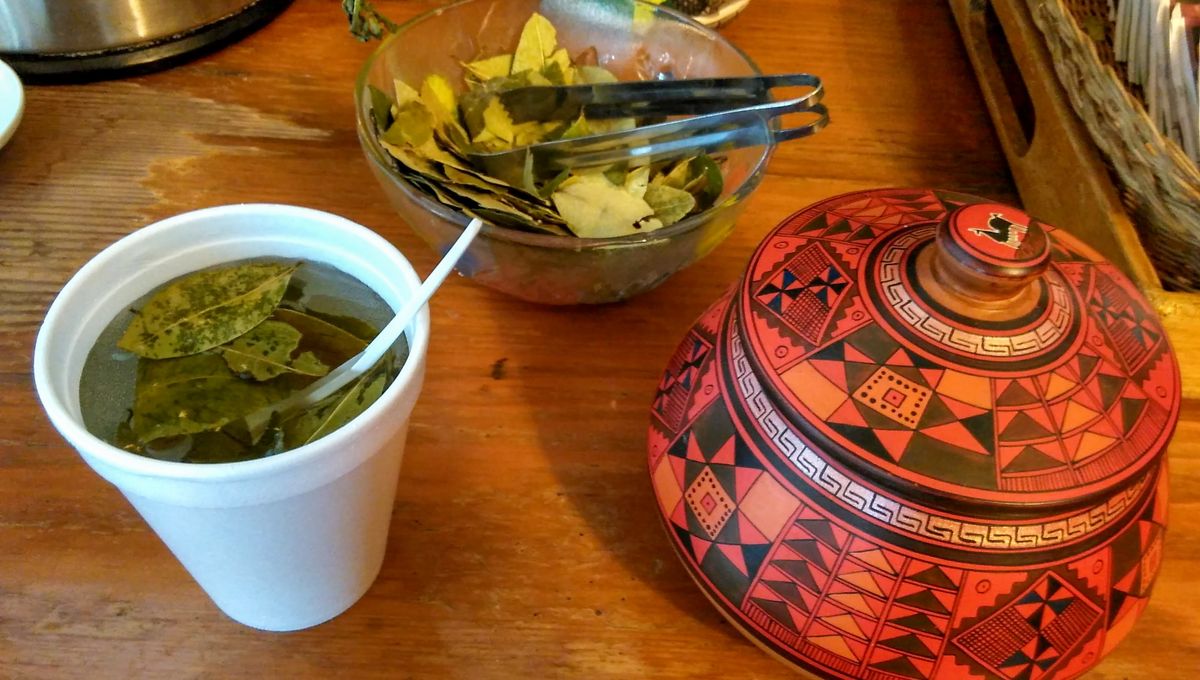
If you want to know how hard it is to win a war on drugs, consider just how quickly they get adopted, despite great obstacles. Not long after Europeans first encountered coca in South America, and centuries before anyone isolated cocaine, traces of the drug had made their way into the brain tissue of Europeans, analysis of 17th-century corpses reveals.
There is widespread evidence that chewing the leaves of the Erythroxylum genus, popularly known as coca, was a popular pastime for centuries in South America. The drug we know as cocaine was probably the main attraction, but the dose was low since the leaves contain so many other molecules, some of which may have also contributed to the appeal.
The conquering Spanish expressed outrage initially and tried to ban the use of the plant, but subsequently used it to fortify their power. By the mid-19th century, chemists worked out how to purify the drug, and it took the continent by storm – or at least among those who could afford it.
Although accounts of cocaine consumption are easy to find from the 19th century, it has not been known if the leaves were used in Europe beforehand. A team from the University of Milan obtained specimens from Ospedale Maggiore, a hospital that treated Milan’s poor in the 17th century. More than 10,000 patients from the hospital are buried in the crypt of a nearby church.
Archaeologists have found the bones from the crypt to be a treasure trove, including the finding of traces of cannabis last year by the same team. Some brain tissues have also survived the passage of time surprisingly well: the researchers studied nine of these, one of whom they identified as having tertiary syphilis.
Two of the samples contained cocaine itself, as well as benzoylecgonine, a molecule the body metabolizes from cocaine.
The authors are confident this is not a result of modern contamination, both because of careful sample collection, and the fact not all the samples produced the same result. Excluding contamination is important. Claims have been made for cocaine in ancient Egyptian mummies, which if true would have required contact between Africa and South America for which there is no other evidence. It’s more likely the samples were contaminated.
A third molecule, hygrine, was also present in the two samples. This molecule is found in coca leaves used for chewing or making tea, but not in purified cocaine.
This is the oldest evidence of coca in Europe by more than two centuries.
We don’t know why the two individuals had been chewing coca leaves. South Americans used the leaves for many medicinal purposes. It’s possible the Ospedale Maggiore, ahead of its time in many ways, adopted this. However, there are no references to coca being used by the hospital. On the other hand, it would need to have been consumed not that long before death for the detection to be made, so there is a high chance this was medicinal – perhaps as a pain killer – not recreational.
Milan was under Spanish control at the time these individuals died, so the drugs’ presence there is easier to explain than in many other parts of Europe. Nevertheless, it is remarkable that coca leaves were apparently so widely used that even the poor had access in some places. It’s unlikely the coca was being grown in Europe, and transport across the Atlantic was still very expensive.
The report is published open access in the Journal of Archaeological Science.

Source Link: Mummified Brains Reveal Cocaine Was Used In Europe Soon After The Americas Were Conquered
