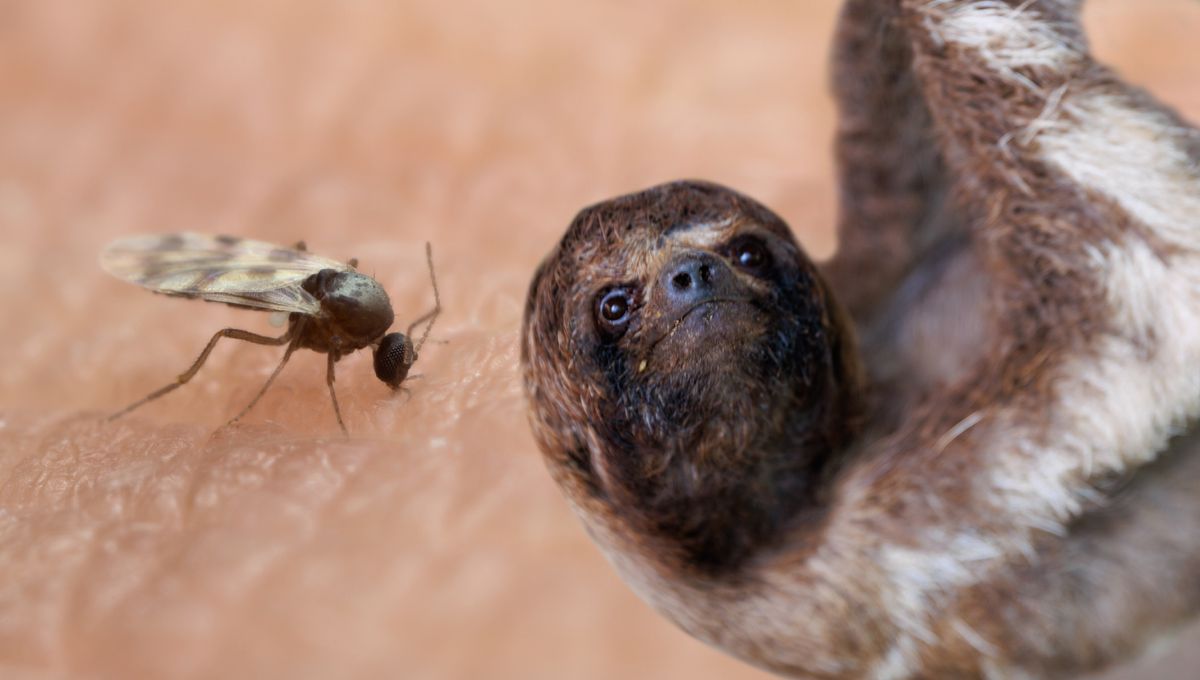
Reports of a rare virus in three European countries have sparked fears of an “emerging threat to global health”. Oropouche virus, sometimes referred to as a “sloth virus”, typically spreads in the Americas but seems to have made its way across the Atlantic for the first time – how concerned should we be? Here’s everything you need to know.
What is Oropouche virus disease?
Oropouche virus disease is a tropical viral infection transmitted by biting midges and some mosquitoes and thought to originate in sloths, hence its being dubbed “sloth fever”. Symptoms include fever, severe headache, chills, muscle aches, and joint pain – similar to those of dengue, chikungunya, Zika, or malaria, according to the Centers for Disease Control and Prevention (CDC).
Patients may also experience sensitivity to light, dizziness, pain behind the eyes, nausea, vomiting, and a rash. Typically, symptoms last for under a week but often reoccur a few days or even weeks later.
Previously, the virus has been reported in parts of South America, Central America, and the Caribbean, with a total of two deaths having been documented, both in Brazil. So far in 2024, outbreaks have been reported in Brazil, Bolivia, Colombia, Peru, and most recently in Cuba. There is no evidence that it has been spread in the United States.
Now, it has been reported in Europe for the first time, although its primary vector (the Culicoides paraensis midge) is absent on the continent.
The European Centre for Disease Prevention and Control (ECDC) announced in a report that 19 cases of Oropouche virus disease were detected in Europe in June and July – 18 of which were in travelers returning from Cuba, and one from Brazil. Of these, 12 were in Spain, five in Italy, and two in Germany.
How worried should we be?
Although there have been over 500,000 cases of Oropouche fever recorded since the discovery of the virus in 1955, there is very limited knowledge of the disease. It has been described in an editorial in The Lancet Infectious Diseases as “mysterious” and an “emerging threat to global health” – but what we do know about it suggests there’s no need to panic.
According to the CDC, most people with Oropouche recover within several days to a month.
In rare cases (fewer than one in 20), it can progress to more serious disease, such as meningitis, encephalitis, or bleeding – but death from Oropouche is thankfully rare.
“The prognosis for recovery is good and fatal outcomes are extremely rare,” the ECDC confirms.
Reassuringly, no direct, horizontal, human-to-human transmission of the virus has been documented so far.
In Brazil, however, there have been six possible reported cases of the disease being passed from mother to child during pregnancy. What risk this may pose for the fetus is still under investigation and has not yet been confirmed.
The ECDC describes the chances of exposure to Oropouche in Europe as “very low”, and the risk of catching the disease while traveling to the Americas is, they say, “moderate”.
“The likelihood of infection increases if travellers visit the more-affected municipalities of the northern states of Brazil and/or the Amazon region, and/or if personal protection measures are not taken.”
How to protect yourself
There are currently no vaccines to prevent or medicines to treat Oropouche, so the best way to protect yourself is to prevent bites from midges and mosquitoes from happening in the first place.
The CDC recommends wearing insect repellent, using effective window and door screens, and utilizing a fan when outdoors to help blow biting midges away.
Wearing long-sleeved shirts and long trousers is also advised.
The content of this article is not intended to be a substitute for professional medical advice, diagnosis, or treatment. Always seek the advice of qualified health providers with questions you may have regarding medical conditions.

Source Link: “Mysterious” Sloth-Borne Virus Detected In Europe For First Time – Should We Be Worried?
