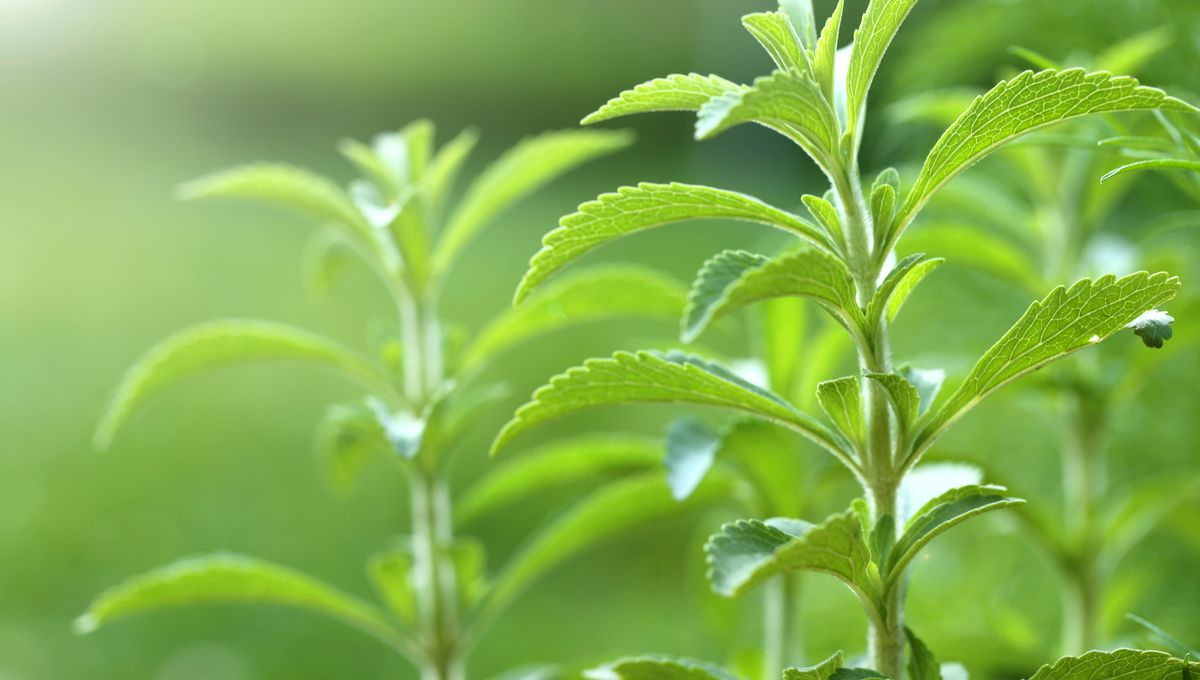
Stevia – the natural sugar substitute – may help boost hair loss treatment, suggests a new study in mice. Scientists developed a dissolving patch that contained a sweetener derived from the Stevia plant, which helped improve the efficacy of a common hair loss drug in a mouse model of alopecia.
The rest of this article is behind a paywall. Please sign in or subscribe to access the full content.
Androgenetic alopecia, also known as hereditary-patterned baldness or male pattern baldness (though it affects women too), is the most common cause of hair loss worldwide – up to 40 percent of people experience it. Symptoms typically begin in a person’s 20s and 30s, or after menopause. We still don’t know for sure what causes it, but it’s thought that a combination of genetics, hormones, and aging all play a part.
The drug minoxidil – the active ingredient in Rogaine – is the standard treatment; in fact, it’s the only FDA-approved over-the-counter medication for androgenetic alopecia. However, it doesn’t dissolve well in water and is not easily absorbed by the skin, which reduces its therapeutic effectiveness and means treatment time is long, requiring frequent applications.
Emerging evidence suggests that microneedling – a minimally invasive procedure that uses thin needles to make tiny holes in the top layer of skin – can stimulate hair growth and boost minoxidil’s absorption. In light of this, the researchers investigated a new delivery system that used stevioside, a natural sweetener derived from the Stevia plant, as a base for their microneedles.
The sugar substitute significantly increased minoxidil’s solubility in water, and, in a mouse model of androgenetic alopecia, improved absorption of minoxidil into the skin.
The combination of stevioside with minoxidil also effectively promoted hair follicles to enter the growth phase, leading to new hair development. After 35 days, mice treated with the dissolving patch saw hair regrowth in over 67 percent of the treatment area, compared to just 25 percent in the control group, where mice were given standard minoxidil.
Though the findings are preliminary, and it remains to be seen if the same effects can be replicated in our own species, the system has the potential to vastly improve androgenetic alopecia treatment. Stevia is widely used as a sugar substitute and so is known to be well tolerated in humans, meaning it could make for a safe and easy addition to the anti hair loss toolkit.
“Using stevioside to enhance minoxidil delivery represents a promising step toward more effective and natural treatments for hair loss, potentially benefiting millions worldwide,” said co-corresponding author Dr Lifeng Kang, of the University of Sydney, Australia, in a statement.
The study is published in Advanced Healthcare Materials.

Source Link: Natural Sweetener Stevia Could Help Bolster Common Hair Loss Treatment
