New Jersey officials are currently investigating the origins of a malaria case in Morris County, after it was found that the person who fell ill had no recent history of international travel.
A joint statement from the New Jersey Departments of Health (NJDOH) and Environmental Protection (NJDEP) released on August 18 announced the investigation, and said that if the infection was picked up within the state, it would be the first locally acquired case of malaria in New Jersey since 1991.
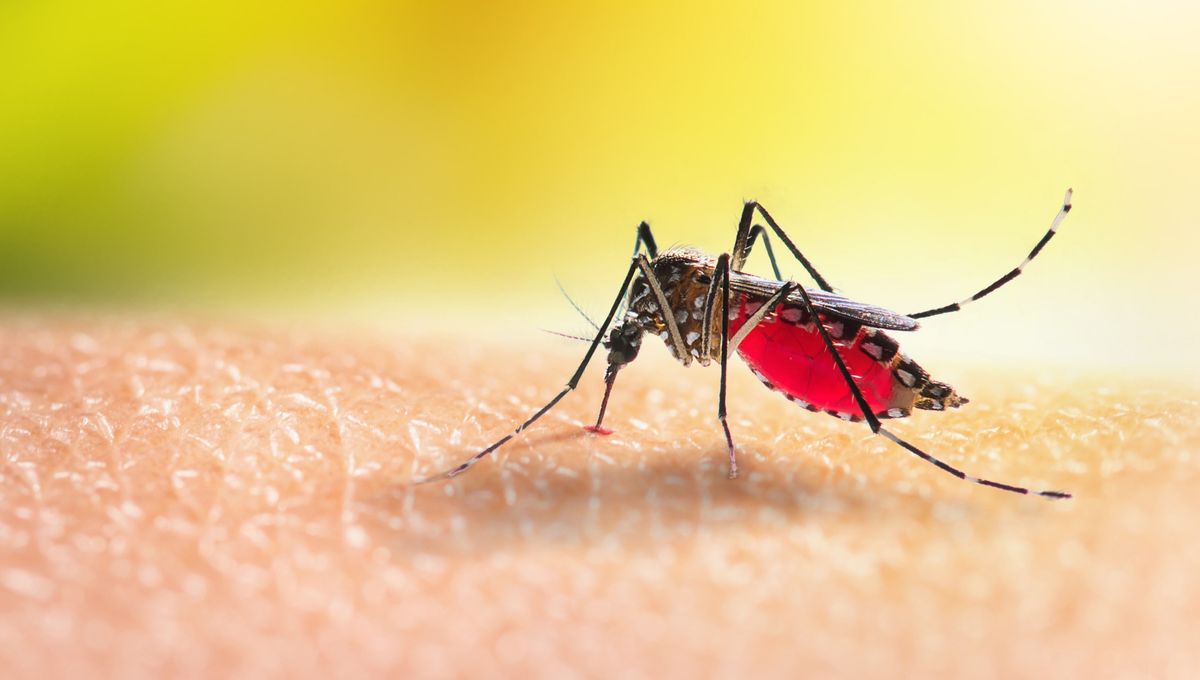
Malaria is a disease caused by parasites belonging to the genus Plasmodium, which are picked up by female mosquitoes in the Anopheles genus when they bite an infected person. The now-infected mosquitoes bite someone else – and the cycle continues.
Infected people can experience symptoms such as fever and flu-like illness, chills, fatigue, and head and muscle aches, as well as nausea, vomiting, and diarrhea. If left untreated, the disease can progress to more severe symptoms like anemia, jaundice, kidney failure, coma, and death. Treatment usually involves the use of antimalarial medications that target the parasite, although some parasites can develop resistance to them.
Malaria is most typically transmitted in tropical and subtropical areas, as the hot and humid climate in these regions provides the perfect conditions in which both Anopheles and Plasmodium can thrive. As such, most cases of malaria in the US are the result of having traveled to or from these regions.
However, while a rare occurrence, it’s not entirely out of the question that this is a locally acquired case – though typically, there is still an international link in such cases. According to the joint statement, the Anopheles mosquitoes that can spread malaria can be found in New Jersey. One of these mosquitoes may have bitten someone infected with travel-associated malaria, flown off, and then bitten and infected another person.
Climate change has also expanded the potential range of multiple species of disease-spreading mosquitoes, raising concerns that locally acquired cases of conditions such as malaria and dengue could become more common.
Officials have emphasized that the current risk of locally acquired malaria in the state is low, though people should still do what they can to protect themselves and others.
“While risk to the general public is low, it’s important to take the necessary precautions to prevent locally acquired malaria in New Jersey. The most effective ways are to prevent mosquito bites in the first place and to ensure early diagnosis and treatment of malaria in returning travelers,” said Acting Health Commissioner Jeff Brown.
Ways to prevent being bitten can include using insect repellants, as well as wearing long-sleeved shirts, long pants, and socks while outdoors. Mosquitoes also love a bit of standing water – it’s a good place for them to breed – so removing or covering things like birdbaths and paddling pools can also stop them from gathering in large numbers in people’s yards.
“I urge the public to continue taking steps to eliminate standing water around their properties, which will go a long way to reducing the risk of mosquito breeding,” said Environmental Protection Commissioner Shawn M. LaTourette. “As the summer winds down, taking this simple but necessary step will help ensure quality of life and protect public health.”

Source Link: New Jersey Officials Investigate Possible First Locally Acquired Malaria Case Since 1991
