If you’ve ever been lucky enough to own your own bit of lawn, you have probably at some point moaned about the sheer number of weeds that you have to remove from it. You, along with many people over on Reddit and other areas of the Internet, may have wondered at some point; what is the difference between weeds and plants?
“I’ve always wondered, what exactly makes something a weed as opposed to being just a plant,” one person asking that question explained on Reddit. “As a kid I figured weeds didn’t have flowers, but they do. As an adult I figured weeds are inedible, but dandelions are edible. The other day I saw a post about how Bees are dying because we spray weeds like dandelions and they collect the pollen and then are killed by the pesticide. So, some weeds are crucial for pollinators. So what exactly makes something a weed?”
Whenever this question is asked, some people are surprised to learn that the distinction has little to do with the plants themselves and much more to do with their desirability to one species of great apes. No, we do not let the bonobos decide. We are talking about humans.
First up, weeds can be exactly as irritating as your dad/mum/grandad/grandma have implied over the years.
“In Queensland alone, weeds cost us an estimated $600 million every year,” chemical-free weed control firm Bioweed explains. “Without even mentioning the many inconveniences and general irritation that they cause the average Australian gardener, weeds have an enormous impact on primary industries, natural ecosystems, and the health of both animals and humans.”
Common weeds in the USA include dandelions, crabgrass, and clover. As noted by the Redditor above, these plants can be pretty, and useful, even if they spread around more than people would like. So what is the distinction between weeds (awful, yuck) and plants (beautiful, love them)?
The above sentence was basically it. A weed is merely a wild plant, like all the others, which is considered undesirable in the location in which it is found. Any plant, from the rare Cotoneaster cambricus to the “corpse flower” Amorphophallus titanum could be considered a weed if it grows where you don’t want it to. An orange tree, while beautiful in an orangery, is a pain if it starts growing through the floor of your shed, for example.
That’s not to say that there aren’t other characteristics which make them undesirable. For example, they tend to be quite hardy and prone to spreading around, or they may be an introduced species which competes and/or kill indigenous plants. But the basic distinction is a human one, even if it is to protect property, or other species of plants and animal in the area.
“There are some species of plants, such as thistle and poison ivy, that are rarely wanted in the lawn or garden setting and are often growing out of place. These plants are frequently classified as weeds. They are often tolerant of a wide range of environmental growing conditions, making them more likely to establish themselves in the garden. These weedy species often propagate themselves easily by seed and/or by runners, stolons, or other vegetative means,” Aaron Steil, Specialist in Consumer Horticulture Extension at Iowa State University explains in a piece for the university.
“No one species of plant is always considered a weed in all settings, and no species of plant is never considered a weed, although some species are more often growing where we don’t want them than others!”
Nevertheless, there are certain plants which most people agree to be weeds, wherever they are found.
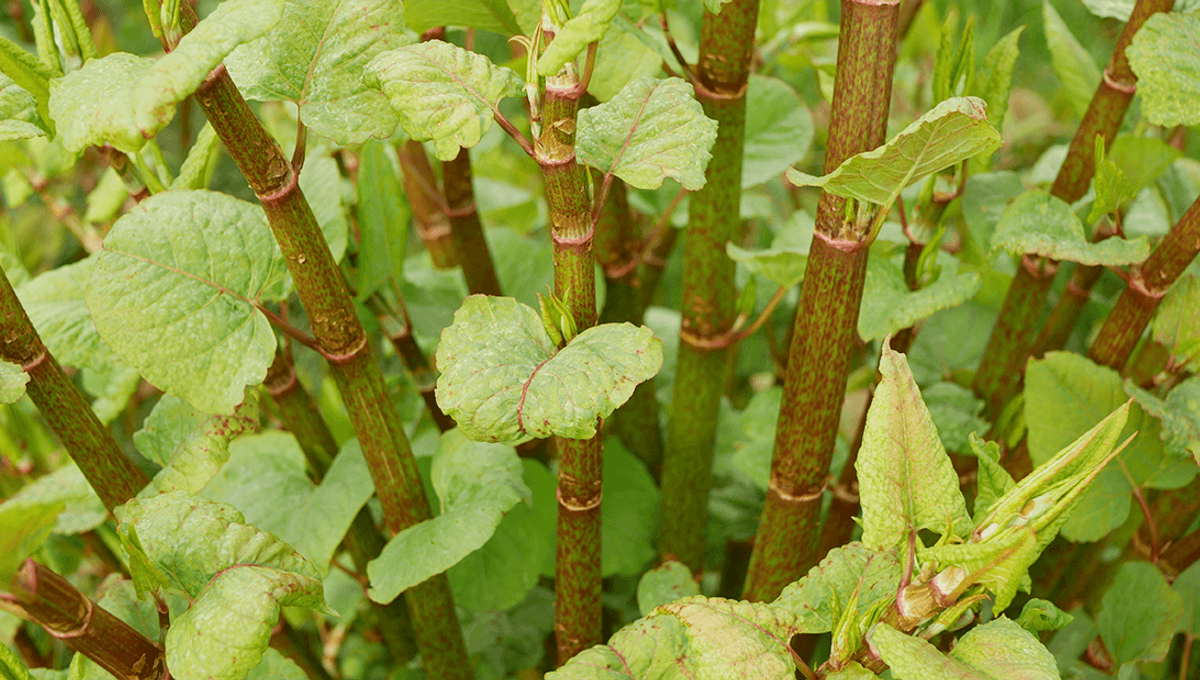
“There’s one weed, in particular, that can cause a whole host of problems if it’s left to grow wild near your property. From physical damage to lawsuits – Japanese knotweed is the furthest thing from a harmless plant & can really turn your world upside down! That’s why it’s important that you monitor and check the plants in your garden regularly, even if you have no intention of pruning them,” Total Weed Control explains.
“Caught and treated in the early stages, Japanese knotweed shouldn’t become a significant problem. However, this is a very fast-growing plant that will quickly envelop your garden with its bamboo-like shoots! It will force its way through your home and garden and it will do it quickly, so it’s important you act fast and don’t treat this weed like a typical plant.”
Even though we should really remember that these are all plants, in the end, even if they aren’t the plants we enjoy.

Source Link: People Are Just Now Learning The Difference Between Plants And Weeds
