• Email Us: [email protected]
  • Contact Us: +1 718 874 1545
  • Skip to main content
  • Skip to primary sidebar

Medical Market Report

  • Home
  • All Reports
  • About Us
  • Contact Us

Plastic Bottle Caps Across Europe Are Changing – But Why?

May 27, 2024 by Deborah Bloomfield

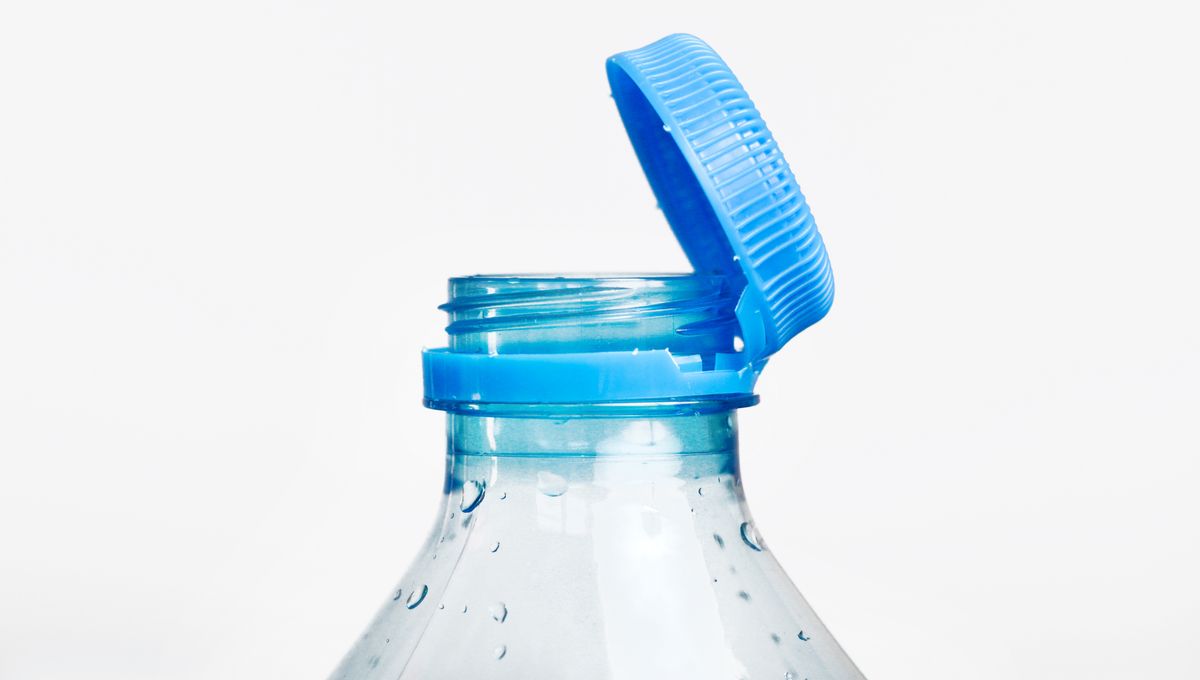
Over the last few months, a small but pretty noticeable change has been creeping into plastic bottles across Europe. No longer is it as easy to throw away the lid: it’s now tethered to the bottle, and it’s all part of preparing for a new rule that’s about to come into force in the European Union (EU).

Advertisement

According to the new EU directive, companies are only allowed to sell single-use plastic products with caps and lids – like a drinks bottle – “if the caps and lids remain attached to the containers during the products’ intended use stage.”

Advertisement

It’s part of a plan to reduce plastic waste, with the EU saying that “caps and lids made of plastic which are used for beverage containers are among the single-use plastic items that are found the most on beaches in the Union.”

That probably won’t come as much of a surprise to anyone who’s ever had a drink out of a plastic bottle – we’ve all lost the lid at some point, and they don’t just disappear into the void. By keeping the lid attached to the bottle, it’s hoped that both will end up being recycled instead of polluting the environment.

The rule was first announced back in 2018, and it didn’t seem to go down too well with the giants of bottled drinks, like Coca-Cola and Nestlé. Despite this, the EU ended up sticking to its guns, and the directive outlining the change was published in June 2019, effectively setting it in stone. 

Members of the EU are expected to comply with the new regulations from July 3, though many have spotted bottles with tethered lids in shops for the last few months, both within and outside of the EU. 

Advertisement

If you’re in the latter, no, you’ve not woken up and missed another referendum – it’s because many drinks that come in plastic bottles are mass-produced. It’d be a major pain in the butt (i.e. expensive) for companies to have to switch between different cap designs for different markets.

The appearance of the new lids has been met by consumers with a mixture of praise, confusion, and upset, with some people complaining about finding them difficult to screw back on or getting in the way whilst drinking.

ⓘ IFLScience is not responsible for content shared from external sites.

ⓘ IFLScience is not responsible for content shared from external sites.

Advertisement

The EU has set itself a deadline of July 3, 2027, to evaluate the results of the new rule, though whether or not they’ll be taking into account consumers’ opinions is yet to be seen.

Deborah Bloomfield
Deborah Bloomfield

Related posts:

  1. Biden nominee for key China export post expects Huawei to remain blacklisted
  2. New Images From Inside Fukushima Nuclear Plant Are Causing Big Worries
  3. 100-Year Floods May Be Looming If We Don’t Change Our Ways
  4. Disk Called “Dracula’s Chivito” Has The Largest Collection Of Planet-Making Materials Ever Found

Source Link: Plastic Bottle Caps Across Europe Are Changing – But Why?

Filed Under: News

Primary Sidebar

  • The Amazon Is Entering A “Hypertropical” Climate For The First Time In 10 Million Years
  • What Scientists Saw When They Peered Inside 190-Million-Year-Old Eggs And Recreated Some Of The World’s Oldest Dinosaur Embryos
  • Is 1 Dog Year Really The Same As 7 Human Years?
  • Were Dinosaur Eggs Soft Like A Reptile’s, Or Hard Like A Bird’s?
  • What Causes All The Symptoms Of Long COVID And ME/CFS? The Brainstem Could Be The Key
  • The Only Bugs In Antarctica Are Already Eating Microplastics
  • Like Mars, Europa Has A Spider Shape, And Now We Might Know Why
  • How Did Ancient Wolves Get Onto This Remote Island 5,000 Years Ago?
  • World-First Footage Of Amur Tigress With 5 Cubs Marks Huge Conservation Win
  • Happy Birthday, Flossie! The World’s Oldest Living Cat Just Turned 30
  • We Might Finally Know Why Humans Gave Up Making Our Own Vitamin C
  • Hippo Birthday Parties, Chubby-Cheeked Dinosaurs, And A Giraffe With An Inhaler: The Most Wholesome Science Stories Of 2025
  • One Of The World’s Rarest, Smallest Dolphins May Have Just Been Spotted Off New Zealand’s Coast
  • Gaming May Be Popular, But Can It Damage A Resume?
  • A Common Condition Makes The Surinam Toad Pure Nightmare Fuel For Some People
  • In 1815, The Largest Eruption In Recorded History Plunged Earth Into A Volcanic Winter
  • JWST Finds The Best Evidence Yet Of A Lava World With A Thick Atmosphere
  • Officially Gone: After 40 Years MIA, Australia’s Only Shrew Has Been Declared “Extinct”
  • Horrifically Disfigured Skeleton Known As “The Prince” Was Likely Mauled To Death By A Bear 27,000 Years Ago
  • Manumea, Dodo’s Closest Living Relative, Seen Alive After 5-Year Disappearance
  • Business
  • Health
  • News
  • Science
  • Technology
  • +1 718 874 1545
  • +91 78878 22626
  • [email protected]
Office Address
Prudour Pvt. Ltd. 420 Lexington Avenue Suite 300 New York City, NY 10170.

Powered by Prudour Network

Copyrights © 2025 · Medical Market Report. All Rights Reserved.

Go to mobile version