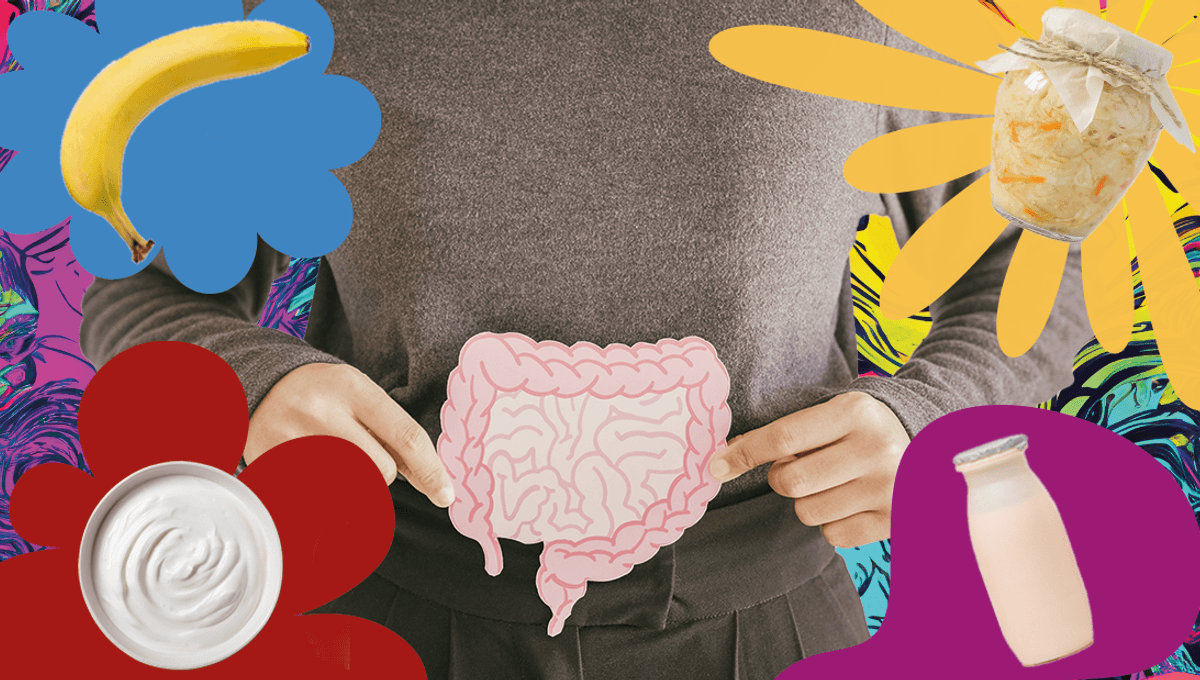
Our bodies are absolutely chock-full of microorganisms, collectively known as the human microbiome. Science suggests that it could impact our health and some people believe they have a simple solution for that: probiotics and prebiotics.
But do these claims have any substance to them? And what exactly is the difference between the two anyway?
Probiotics
Probiotics are live microorganisms – often bacteria – that when ingested, are purported to have health benefits by maintaining or introducing “healthy” or “good” microorganisms in the microbiome.
They’re usually found in food products – such as yoghurt, kombucha, sauerkraut, and kimchi – and supplements, but can also be an ingredient in some beauty products.
What does science say?
The first thing to be aware of when it comes to probiotics is that they’re generally considered as dietary supplements rather than medicine. This means that they don’t require FDA approval before being marketed, and they’re allowed to be sold alongside claims about how they might affect bodily functions – for example, that they can help support the immune system.
Because these claims don’t require approval, there’s no guarantee that they actually do the thing they’re claiming to do. If probiotics are marketed with a health claim, however, such as saying that they reduce the risk of a disease, then the product has to acquire FDA approval and provide scientific evidence for those claims in the process.
Of course, research into the potential benefits of probiotics also goes on outside of product regulation – so what does peer-reviewed science say?
Some claim that probiotics could have some benefits in conditions related to allergies, such as asthma. For the latter, a 2019 meta-analysis looking at probiotics and asthma incidence in infants found some evidence that probiotics could reduce symptoms in infants with allergic asthma specifically, but overall, couldn’t find enough evidence to support the use of probiotics to prevent asthma.
One 2023 study involving 40 people with asthma concluded that after an 8-week treatment with probiotics, “quality of life and pulmonary function parameters of patients were improved, and also inflammatory-associated miRNAs and Th2-related IL-4 were reduced.” However, the study authors do note limitations, such as the fact that stool samples were not taken to check bacterial count differences, and “the enrolled patients were not sufficiently large to achieve definitive conclusions and hence, further studies with large populations are warranted.”
There is, however, some evidence that probiotics might be helpful when it comes to treating antibiotic-related diarrhea. In trying to target the pathogenic bacteria causing us problems, antibiotics can also kill off helpful bacteria, which can then lead to diarrhea – in theory, probiotics could prevent this.
In some cases, antibiotic-related diarrhea is the result of a difficult-to-treat Clostridium difficile infection. A 2017 review of 31 studies found that probiotics might also be useful in reducing the risk of this occurring – an average 60 percent reduction when given with antibiotics – though what’s not clear is whether there’s an ideal type or dose of probiotic to do this.
It should also be noted that the people in these studies weren’t necessarily downing the kind of probiotics you get in a grocery store. Unlike the carefully controlled conditions of a study, there’s no guarantee that a product you buy actually contains the same stuff a probiotic used in a scientific study does, and therefore it might not provide the same effect.
For example, one analysis of probiotics commercially available in the UK published in 2016 found that none of the products claiming to contain multiple species of bacteria actually contained all those labelled, and only three out of the seven products tested had the claimed concentration of bacteria.
Though they’re generally considered to be safe for healthy people, the potential effects of probiotics also might not be the same for everybody. In 2023, for example, the FDA put out a warning about the use of probiotic products in preterm infants following reports of serious infections and one fatality.
Prebiotics
While probiotics are live microorganisms, prebiotics are instead a tasty meal for microorganisms. They aren’t digestible compounds when found in food, so they make it all the way to the colon where they stimulate microorganism growth and activity. Prebiotics can also be found in some topical products, with the same intended outcome.
This, it’s been suggested, could have some health benefits.
What does science say?
The data regarding the potential health benefits for prebiotics is pretty limited on the whole. Much of what does exist focuses on their impact on the gut, which makes sense given that’s the primary way many people consume them; prebiotic compounds are found in foods that many eat on a regular basis, like beans, oats, and several vegetables.
When it comes to the gut, one of the most common issues people experience at one time or another is constipation. Whilst some small studies have suggested that prebiotic compounds could help to improve stool frequency in adults, a recent review of the overall picture suggests that although there’s some potential, current research is too limited to support the use of prebiotics as a constipation treatment.
Speaking of things slowing down, there’s also some hope in the role of prebiotics and improving brain function in old age. A recent study of 36 pairs of twins aged over 60 found that those who took a prebiotic supplement every day for 12 weeks scored noticeably better across a range of cognitive tests than those who didn’t take the supplement.
Though the study authors conclude the results “hold promise”, it’s still a relatively small study, and larger trials would be needed to fully back up the effects seen.
Even if that is the case and prebiotic compounds are found to have benefits, their presence in a list of ingredients doesn’t mean those benefits are guaranteed; they may have been broken down by food processing methods before they’ve even reached the shelves.
The overall picture
Though both probiotics and prebiotics have been shown to have some potential (albeit limited in some cases), the vast majority of claims made about their apparent health benefits aren’t yet definitively supported by science.
That being said, if you’re healthy, we’re not going to stop you from downing a bunch of probiotic yogurts or upping your intake of beans – just don’t expect it to work any miracles.
All “explainer” articles are confirmed by fact checkers to be correct at time of publishing. Text, images, and links may be edited, removed, or added to at a later date to keep information current.
The content of this article is not intended to be a substitute for professional medical advice, diagnosis, or treatment. Always seek the advice of qualified health providers with questions you may have regarding medical conditions.

Source Link: Probiotics Vs Prebiotics: What's The Difference?
