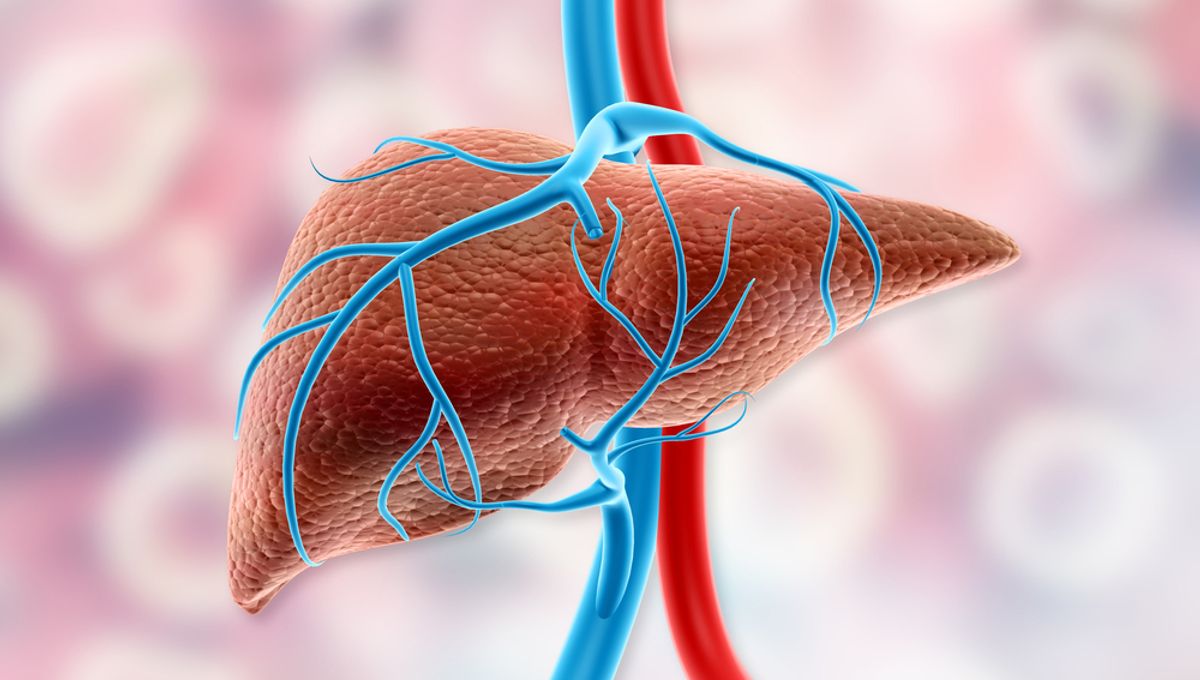
Alagille syndrome, a rare and potentially fatal genetic condition primarily affecting the liver, currently has no known cure and limited treatment options – but that may not be the case for too much longer, as researchers are hard at work investigating a new potential therapy. In a study in zebrafish, they’ve demonstrated the ability of a drug to reverse liver damage caused by the disease, which could, they hope, transform its treatment.
“Alagille syndrome is widely considered an incurable disease, but we believe we’re on the way to changing that,” Associate Professor Duc Dong, who lead the research, said in a statement.
Over 4,000 babies are born with Alagille syndrome each year. The condition is related to a mutation of the JAG1 gene: this can be inherited from a parent or be a new mutation. Alagille syndrome affects many different parts of the body including the heart, eyes, face, skeleton, blood vessels, and kidneys, but it particularly affects the liver.
Typically, a person with the condition has too few bile ducts, which carry bile out of the liver. With fewer than normal, bile can build up and cause damage. Ultimately, it can result in liver failure, meaning children with Alagille syndrome often require liver transplants. With donors in short supply, this isn’t always a viable option. Without a transplant, there’s a 75 percent mortality rate by late adolescence.
The new drug, called NoRA1, targets the Notch pathway – a key signaling pathway that is impeded in people with Alagille syndrome. By activating it, NoRA1 could, in theory, restore liver health by triggering duct cells to regenerate and repopulate the liver.
This, the researchers found, appears to be the case in zebrafish models of the disease.
“The liver is well known for its great capacity to regenerate, but this doesn’t happen in most children with Alagille syndrome because of compromised Notch signaling,” said first author Chengjian Zhao. “Our research suggests that nudging the Notch pathway up with a drug could be enough to restore the liver’s normal regenerative potential.”
The drug also improved the fish’s chances of survival.
Of course, it’s a bit of a leap to assume success in fish also means success in humans, but the study authors are optimistic that their research is headed in the right direction. They are now testing NoRA1 on “mini livers” grown in the lab from stem cells of patients with Alagille syndrome and hope to test the drug in humans in the not-too-distant future.
“We aim to advance this drug into clinical trials, and our results demonstrate its effectiveness for the first time,” Dong added. “I’m optimistic that this will be an effective therapeutic for Alagille syndrome.”
The study is published in PNAS.

Source Link: Rare Genetic Liver Condition Could Be Treated With New Drug
