Have you ever found a mermaid’s purse? These leathery pouches that wash up on the beach are actually the egg sacs baby sharks develop in, a process we usually only get to see from the outside. For cinematographer and shark researcher Richard Fitzpatrick, that wasn’t quite enough.
The rest of this article is behind a paywall. Please sign in or subscribe to access the full content.
What if, his team pondered, there was some way to get a look inside the egg sac to see how a baby shark develops? Enter: the Laowa probe lens. This camera has a tiny aperture, enabling Fitzpatrick and his team to take it places no other camera could go.
“So, we have a Laowa probe lens that we’ve put inside this shark egg,” said Fitzpatrick in a BTS YouTube video. “This is the egg of the Indo-Pacific leopard shark. You can see the umbilical cord going into the yolk. Very cute. One of the cutest sharks in the world.”
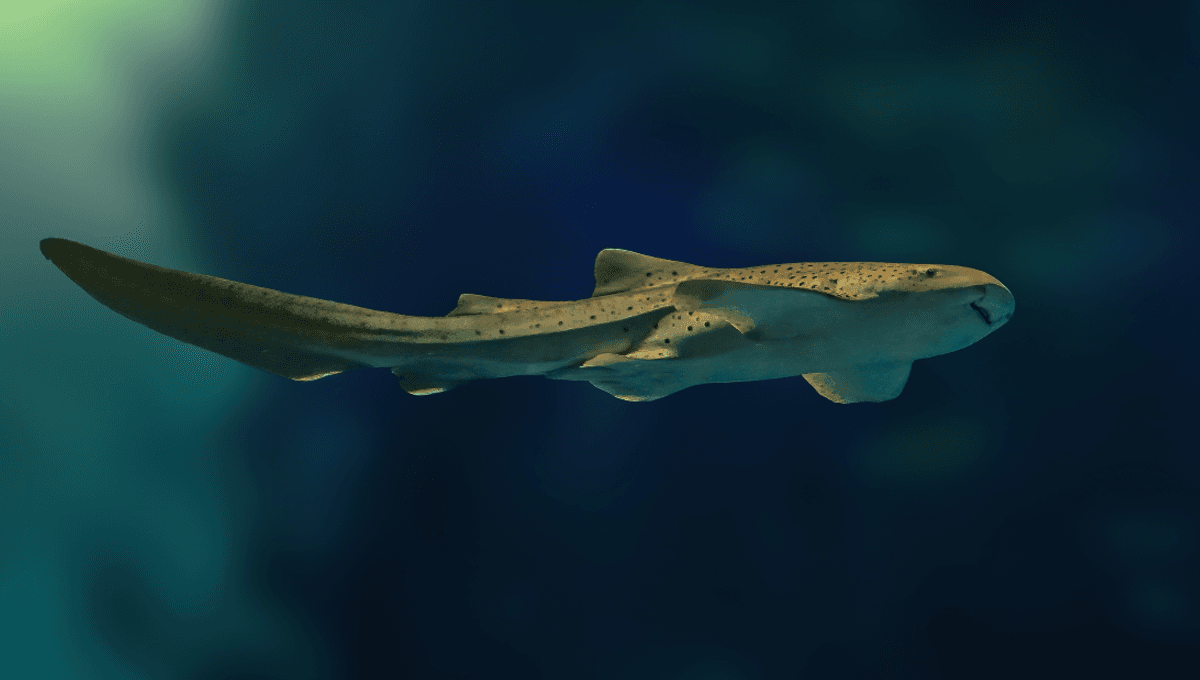
Indo-Pacific leopard sharks, also known as zebra sharks (Stegostoma tigrinum), are famous for their stripes. Incredibly, this developing pup is no different, and we can see a glimpse of its stripes inside the egg sac. As Fitzpatrick mentioned, a mermaid purse also contains the shark’s yolk sac, keeping it fed with nutrients until it’s ready to hatch and go out into the big, wide world.
Leopard shark babies take several months to develop. They hatch at around six to nine months, depending on environmental conditions. Babies like the one seen in this video are precious because leopard sharks are endangered, which is why aquariums are trying to bolster wild populations with eggs laid in captivity.
The shark in this video was close to hatching at the time of recording. It was also part of the ReShark initiative to repopulate the species in Indonesia by shipping viable eggs to a nursery in Raja Ampat – a project that’s already seeing promising results.
“Previously considered functionally extinct in Raja Ampat waters, the Indo-Pacific leopard shark (Stegostoma tigrinum) is showing promising signs of a comeback, thanks to the StAR Project,” reads a blog post from ReShark. “Before the project began, leopard sharks (or “stegs”) were only occasionally seen, with surveys spanning over 15,000 hours across 20 years yielding just three individuals in the region’s vast 7 million hectares.”
“Since the reintroductions began, sightings of stegs have risen substantially, boosted by a focused outreach campaign encouraging local fishers, divers, and visitors to report sightings of newly released sharks. Additionally, it is speculated that pheromones from the reintroduced juveniles may be attracting remaining adults, suggesting potential for natural reproduction in the future.”
So, not just an adorable baby, but also a noodle of hope for the future of the species.
“How can you not love sharks when you see that?” said Fitzpatrick.
Here, here.

Source Link: Rare Peek Inside An Egg Sac Reveals An Adorable Developing Leopard Shark
