Do reptiles pee liquid urine? It’s not a question I thought I’d be asking myself when I woke up this morning, but life comes at you fast.
A new study has proven that it’s a question worth asking, however, as the answer is both unexpected and intriguing. While yes, some reptiles do pee liquid, a lot of the time, they excrete crystals instead. These pee crystals presented something of a mystery to scientists, so they decided to get a good look at what they’re made of.
That involved waiting for a lot of reptiles to pop out some crystals so they could be analyzed. The crystals themselves are known as urate, and it’s not just snakes that “pee” them out. Birds do, too. The more you know, eh?
Urinating for humans involves getting rid of urea, uric acid, and ammonia, which we flush out with the help of water. Reptiles and birds, on the other hand, package those nitrogenous waste products up into solids and push them through a cloaca – an adaptation that may help them to conserve water.
Getting a good look at reptile pee
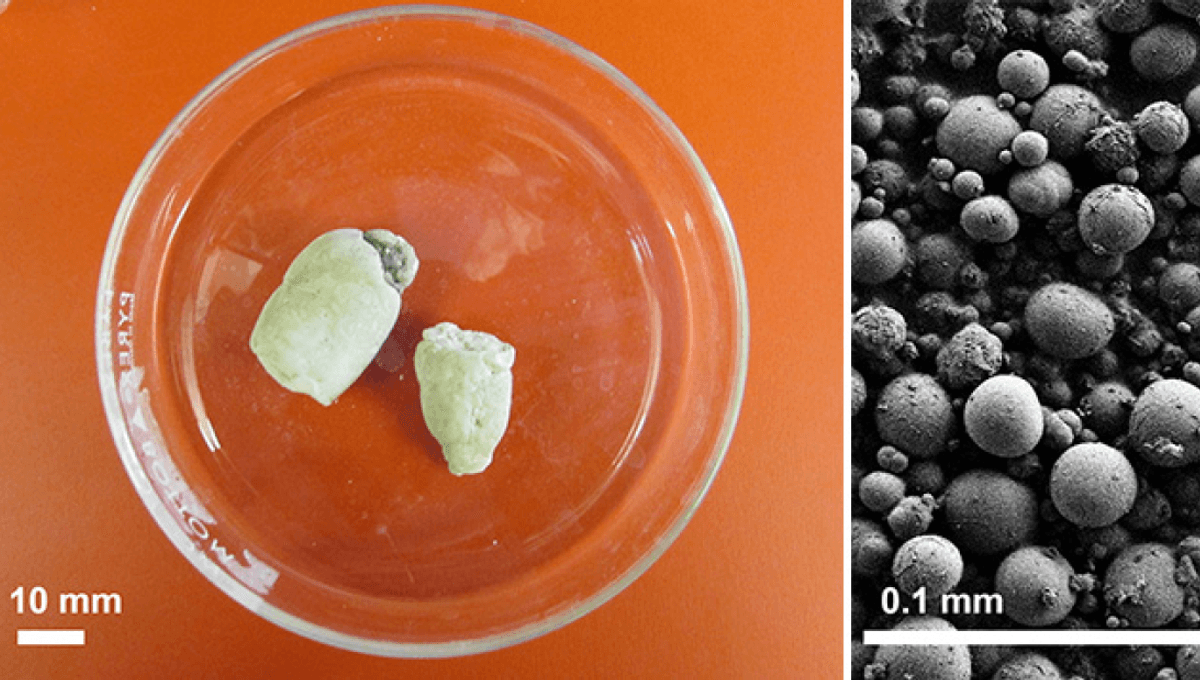
Among the reptiles enrolled in the study was a ball python (Python regius) whose urate crystals you can see in the photo at the top of this article. There were also 20 other reptile species included in the analyses, and they revealed that this approach to excretion is actually a clever and highly adaptable system for getting rid of excess waste and salt.
All the reptiles’ crystals contained uric acid; however, there were noticeable differences in the waste of primitive versus more advanced snake lineages. In primitive snakes, tiny nanocrystals of turbostratic uric acid monohydrate (UAM) lock in salts through surface-ion pairing.
That differed from the waste of more advanced snake lineages, which was mostly made up of a compound known as ammonium urate hydrate (AUH) mixed with smaller uric acid crystals. It seems that those tiny crystals may act as the building blocks for the larger AUH crystals, something they were able to back up with lab experiments.
So, not only are we learning a lot about reptile pee, but this discovery reveals something new about uric acid, too! Turns out it doesn’t just help animals get rid of waste, but it may also help capture and store ammonia by turning it into a solid form.
From snake pee crystals to human medicine
Now that we’re getting a better grip of the gritty stuff in the excretions of reptiles, it’s hoped the discovery could help us to better manage uric acid-related conditions that affect humans, like gout and those dreaded kidney stones. “This research was really inspired by a desire to understand the ways reptiles are able to excrete this material safely, in the hopes it might inspire new approaches to disease prevention and treatment,” said study author Jennifer Swift in a statement.
After all, a urate crystal through a cloaca might be nothing, but pushing pea-size pee through a urethra? That’s something we’d all do well to avoid.
The study is published in the Journal of the American Chemical Society.

Source Link: Reptiles “Pee” Crystals, But What Are They Made Of? Scientists Wanted To Find Out
