Prehistoric Planet has kicked off for a week of watch parties after an exhilarating first episode took viewers rafting among the island habitats of Earth 66 million years ago. While the tiny castaway Zalmoxes kicked off proceedings, the episode was arguably stolen by some of the series’ non-dinosaur stars, and there’s plenty more where that came from.
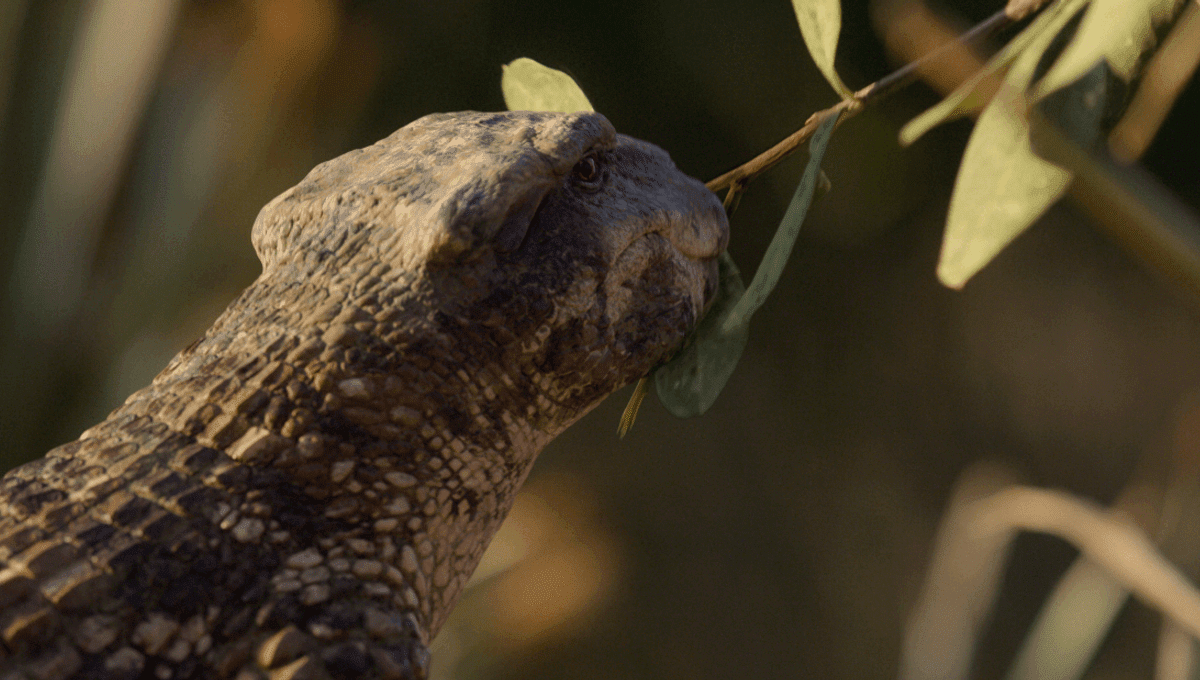
Series producer Tim Walker described Simosuchus, an adorable extinct genus of notosuchian crocodylomorphs, as the species most people would probably want as a pet from series two. It’s a hard agree from us, with these vegetarian crocs acting more like prehistoric wombats as they use their armored butts to plug burrow holes and even see off wary predators.
Giant Azhdarchids the height of giraffes (and also not dinosaurs) later scoop up Hadrosaurs as they pursue them on foot, a perhaps surprising tactic for some of the largest flying predators of the time. The science that backs up the theory that they hunted on land is outlined by palaeontologist and illustrator Mark Witton at the end of the episode, demonstrating how establishing the ecology of extinct animals is often a process of trial and error until you find a behavior that fits.
Arguably the scene that most hoodwinked IFLScience’s Managing Editor Katy Evans involved the hatchlings of the series’ first mammals (yes, we mean hatchlings). The eyeless pups develop in their burrow before a hungry Masiakasaurus comes sniffing around, only to get taken out by Madtsoia – an ancient snake that reached 7.6 meters (25 feet) long and crushed its prey to death. You have to keep telling yourself these are CGI animals.
The Swamps and Oceans episodes introduce us to the ancient species that dominated the waters, from ferocious and enormous Mosasaurs to the gar that can still be found alive on Earth today. And of course, dinosaurs like Tarbosaurs – Asia’s answer to T. rex – put on a show in some epic fight scenes.
In any natural history documentary, it’s an art to balance the competition, violence, and humor of the natural world. To do so with a cast that went extinct millions of years ago is an even greater feat, resulting in a thrilling and insightful series return that grips you from start to finish.
You can find out all the details in our exclusive interview with producers Mike Gunton and Tim Walker.
With the Badlands, Swamps, Oceans (a particular favorite of ours), and North America episodes still left to go, the series is a celebration of not just the extinct dinosaurs that once walked the Earth, but all the strange, massive, and dangerous animals that gave them a run for their money.
And yes, that includes Beelzebufo.

Source Link: Review: Prehistoric Planet 2 Shows Dinosaurs Weren't The Only Dangers 66 Million Years Ago
