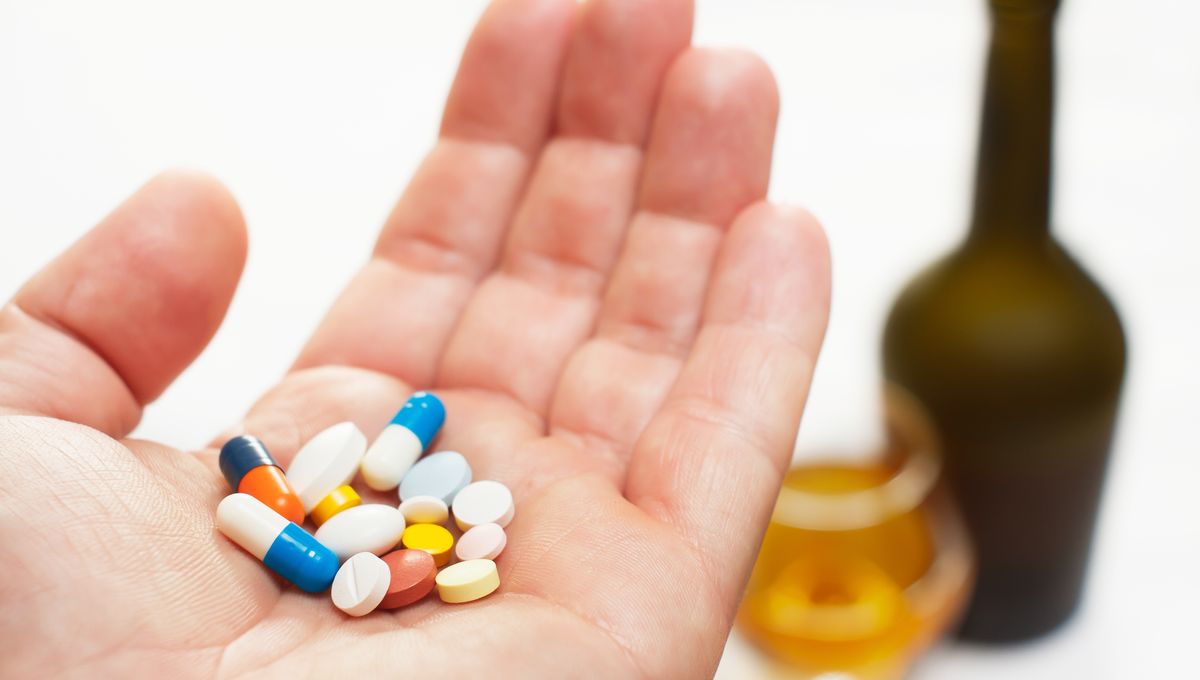
Hands up if you’ve heard this one before: “I can’t drink tonight, I’m on antibiotics.” We’ll be the first to tell you that if you’re dealing with an infection that requires antibiotic treatment, a night on the sauce is not going to benefit your recovery. But not all of these drugs are the same, and their interactions with other substances can be wildly different too – so just what can happen if you do mix alcohol and antibiotics?
Metronidazole and tinidazole: the “big no-nos”
Let’s start with two antibiotics that definitely can interact badly with alcohol. When taking either of these, it’s advised that you avoid alcohol completely – that’s possibly where this pervasive idea that antibiotics and booze don’t mix comes from.
Metronidazole is used to treat a whole range of bacterial infections, including in the vagina, stomach, lungs, and skin. It’s also approved for use in certain parasitic infections. If you’re prescribed metronidazole, you’ll likely be told to avoid all alcohol for a few days before, while taking it, and for a few days after.
That’s because when the drug interacts with alcohol, it can cause very unpleasant side effects, like dizziness, heart palpitations, vomiting, and stomach cramps. The technical name for this is a disulfiram-like reaction.
Disulfiram was the first drug approved by the Food and Drug Administration as an aid to the treatment of alcohol use disorder. It prevents the body from breaking down the acetaldehyde from alcohol into acetic acid. The toxic buildup of acetaldehyde that results causes the unpleasant effects, the idea being that this would put people off drinking and help them maintain their sobriety.
Since disulfiram was first being studied in the 1940s, it’s emerged that some other drugs have this same effect, including a few antibiotics.
Tinidazole is another example. It’s sometimes used as an alternative to metronidazole, and is commonly used to treat Helicobacter pylori, a bacterium that can colonize the digestive system and has been linked to stomach ulcers and cancer.
Again, combining tinidazole with alcohol can lead to a disulfiram-like reaction, so you’ll be instructed to avoid it before, during, and for a few days after your antibiotic course.
There are a handful of other antibiotics that fall into this category, and a doctor or pharmacist will be able to advise you if you’ve been prescribed one.
Linezolid and doxycycline: the “really not recommended”
Some antibiotics can cause side effects outside of the disulfiram-like reaction when they’re mixed with alcohol. With others, it’s more about how the alcohol might affect the drug’s efficacy.
Linezolid is used for a wide variety of Gram-positive bacterial infections. As well as a lot of potential food interactions (no avocado toast for you), the drug is known to interact with fermented alcoholic beverages, so people taking it are advised to seriously limit their beer and wine consumption lest they risk a dangerous increase in blood pressure.
Doxycycline has many uses, from skin infections to treating people exposed to anthrax. While it’s not associated with disulfiram-like reactions or other serious side effects when combined with alcohol, you’ll probably still be advised to limit your drinking while taking it. This is because there’s some evidence that alcohol – particularly long-term consumption – can make the drug less effective.
What about all the others?
These are some examples of common antibiotics that really are best not mixed with alcohol. Many others that you will likely have heard of, like amoxicillin and other penicillin-based drugs, don’t have any specific interactions with alcohol.
However, while it’s not necessarily unsafe to consume alcohol while taking most antibiotics, that doesn’t mean it’s advisable. Many antibiotics can cause stomach issues like diarrhea, for instance, and drinking alcohol will probably make that worse. In general, if you’re sick and taking antibiotics, getting hammered is not a good idea.
It is interesting, though, that so many of us have accepted the “antibiotics and alcohol don’t mix” message without questioning it. A study in 2020 looked back through years’ worth of scientific literature and concluded, “Alcohol and antimicrobial interactions are often lacking evidence.” The authors pointed to “poor, often conflicting data,” and “important knowledge gaps”, so there’s likely even more to this story than we really know.
If you’re heading into the holiday season with a prescription for antibiotics, know that that doesn’t necessarily mean you’ll be consigned to a dry Christmas and New Year (if that’s not what you want). Always consult with a pharmacist or doctor first, but with a lot of common antibiotics, having a small drink to toast the occasion may still be on the table.
The content of this article is not intended to be a substitute for professional medical advice, diagnosis, or treatment. Always seek the advice of qualified health providers with questions you may have regarding medical conditions.
All “explainer” articles are confirmed by fact checkers to be correct at time of publishing. Text, images, and links may be edited, removed, or added to at a later date to keep information current.

Source Link: Should You Avoid Alcohol If You’re Taking Antibiotics?
