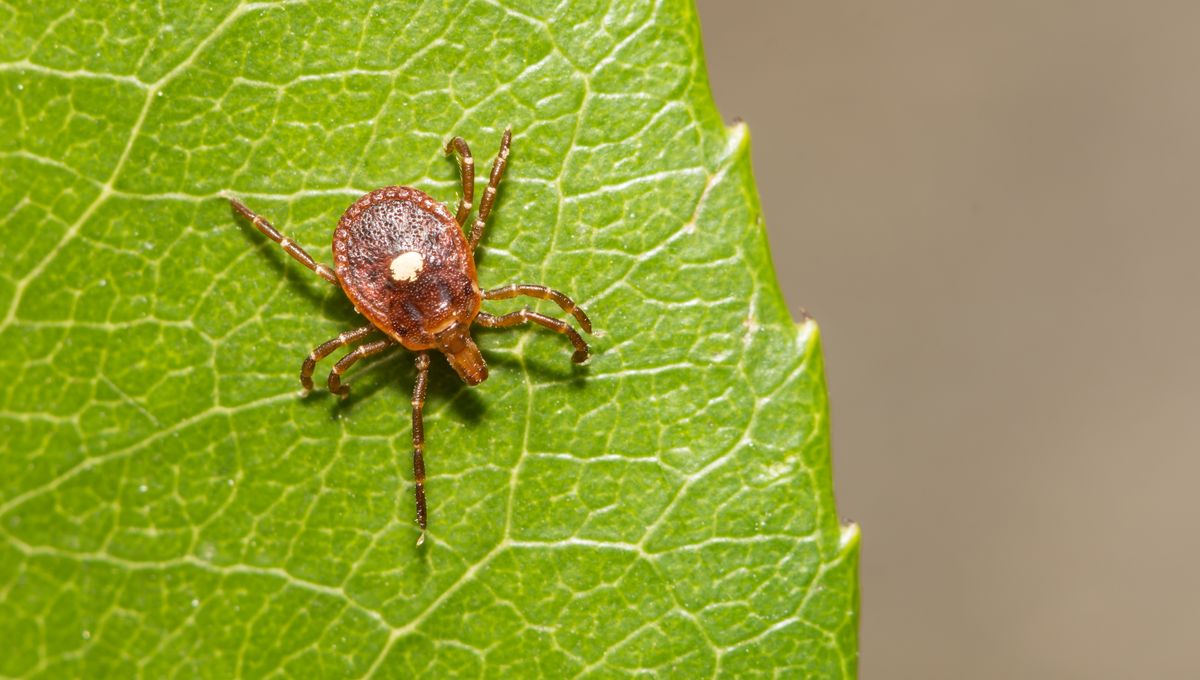
For the first time, researchers have confirmed a human death caused by “meat allergy”, an uncommon condition that is caused by tick bites.
The death occurred in an otherwise healthy, 47-year-old male airline pilot from New Jersey, USA, who in the summer of 2024, had been on a camping trip with his family when he fell ill with stomach pain, diarrhea, and vomiting. He’d eaten a beef steak about four hours prior to his symptoms beginning.
While he felt better the next day, the incident appeared to have sparked some concern. “Discussing the event with his wife, they considered consulting a doctor but concluded, ‘What would we say happened?’ On the other hand, he told one of his sons that during the episode ‘I thought I was going to die.’” write the authors of the study investigating the cause of the death.
Then, two weeks later, the man was at a barbecue and ate a hamburger at about 3 pm. Around four hours later, he was found unconscious in the bathroom, and by 10:22 pm, he was declared dead. A postmortem found “no significant abnormalities” and it was ruled a “sudden unexplained death.”
Wanting to know what had caused her husband’s death, the man’s wife sought a further review from a doctor friend, who got in touch with a team of researchers at the University of Virginia led by Dr Thomas Platt-Mills, the scientist behind the discovery of “meat allergy”.
“Meat allergy” is the common name for alpha-gal syndrome (AGS), a serious and potentially life-threatening allergy to a sugar molecule called galactose-α-1,3-galactose, or alpha-gal. This sugar is found throughout the bodies of several mammals (although not humans), and in the saliva of some lone star ticks, small insects that are found in southern, eastern, and central parts of the US.
The team analyzed the man’s blood, and that revealed evidence that he had “meat allergy” and had suffered from a severe allergic reaction known as anaphylaxis. Further investigation also revealed that he’d had what were thought at the time to be several chigger bites on his ankles during the summer, but were likely bites from lone star tick larvae instead.
When these ticks bite someone, the body’s immune system can identify the alpha-gal in the tick’s saliva as a threat – one that it’ll remember. The next time someone eats something containing alpha-gal – usually red meat like beef or lamb – it can trigger an allergic reaction, with symptoms including hives, difficulty breathing, swelling of the lips, tongue, throat, or eyelids, or as the man in the study experienced, anaphylaxis.
Though not everyone bitten by a lone star tick will develop AGS, and the exact number of cases of the condition is unknown, it’s thought that as many as 450,000 people in the US could be affected by it.
In a statement, Dr Platts-Mills gave some key things to look out for in relation to AGS.
“The important information for the public is: First, that severe abdominal pain occurring 3 to 5 hours after eating beef, pork or lamb should be investigated as a possible episode of anaphylaxis; and, second, that tick bites that itch for more than a week or larvae of ticks often called ‘chiggers’ can induce or increase sensitization to mammalian-derived meat,” the allergy expert explained.
“On the other hand, most individuals who have mild to moderate episodes of hives can control symptoms with an appropriate diet.”
The study is published in the Journal of Allergy and Clinical Immunology.

Source Link: “Sudden Unexplained Death” In US Turns Out To Be World's First Confirmed Death From Tick-Spread “Meat Allergy”
