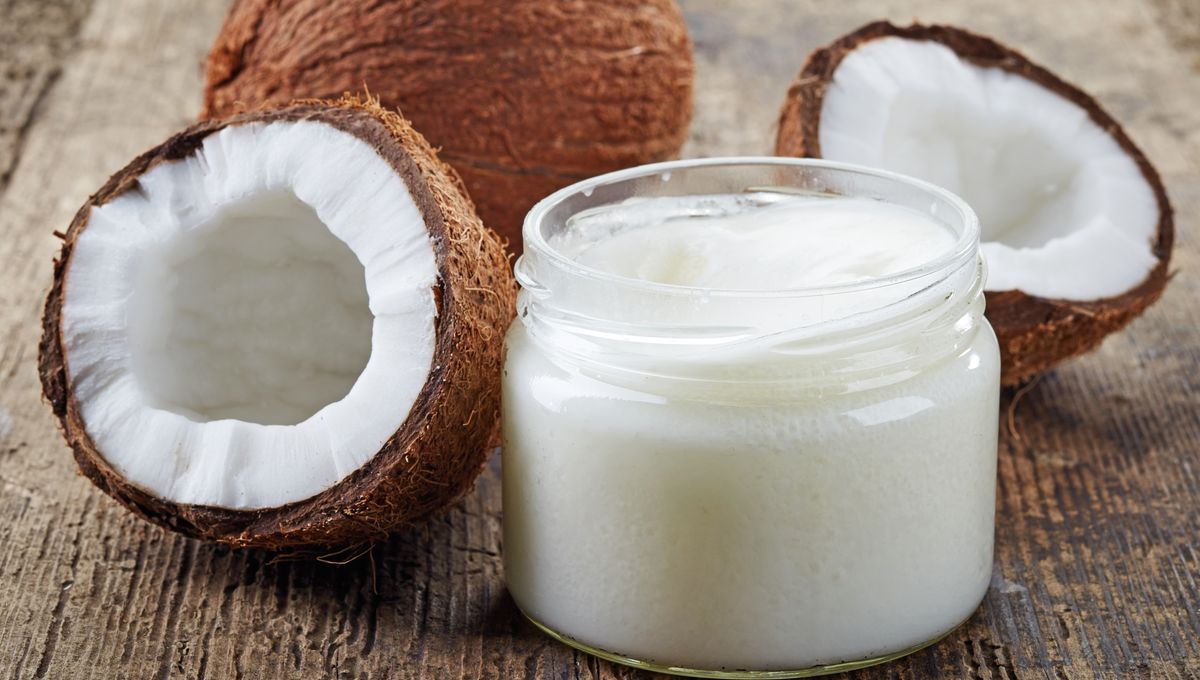
A few years ago, coconut oil was king, touted for its supposed health benefits, and used for everything from teeth cleaning to repelling bugs (it was even suggested as a bogus COVID treatment). Once hailed as a “superfood”, research is now suggesting that the oil may not be as good for us as the “clean eating” and “wellness” fads of the last decade or two have had us believe.
In fact, one study from earlier this year hinted at significant potential health risks associated with consuming the trendy commodity. As demonstrated in mice, coconut oil may alter food intake and impair certain metabolic hormones. It could also be linked to weight gain, anxious behavior, and increased inflammation of the central nervous system, adipose tissue, and liver, based on previous research.
“The findings suggest that although the process is slow and silent, coconut oil supplementation for long periods can lead to significant metabolic alterations that contribute to the development of obesity and associated comorbidities,” study author Marcio Alberto Torsoni said in a statement.
And as such, it “isn’t recommended as a supplement to treat diseases or recoup good health”, Torsoni added.
To come to this conclusion, the research team administered a daily dose – the caloric equivalent of a spoonful of soup – of coconut oil to healthy mice over a period of eight weeks.
At the end of the study, they found that the key metabolic hormones leptin and insulin – which are involved in regulating satiety and blood sugar levels, respectively – were repressed, which, the authors write, “[harmed] the control of energy expenditure, expression of neuropeptides and food intake.” They also found evidence to suggest that the biochemical mechanisms involved in fat synthesis were stimulated.
Overall, this is not entirely surprising. Saturated fatty acids, the main compound in coconut oil, are known to promote insulin and leptin resistance, and have previously been associated with inflammation and obesity.
Past work (also in mice) from the same study authors has suggested that coconut oil consumption could lead to weight gain, a higher percentage of fat, reduced energy expenditure, inflammation, and anxious behavior.
While this research is limited to animal models for now, and so should be viewed with caution, people should still reconsider their coconut oil intake, Torsoni warned. It’s best used in small amounts, he explained, as seasoning or part of a sauce, ideally with fresh or minimally processed vegetables and the guidance of a nutritionist.
This isn’t the first time that the “dark side of coconut oil” has reared its ugly head. Due to the oil’s high saturated fat content – which is far more than that of regular butter, olive oil, peanut oil, or sunflower oil – it has been linked to “bad” cholesterol and therefore an increased risk of heart disease.
The American Heart Association actually advises coconut oil should be avoided: “Because coconut oil increases LDL cholesterol, a cause of [cardiovascular disease], and has no known offsetting favorable effects, we advise against the use of coconut oil,” they wrote in a 2017 paper.
It turns out coconut probably isn’t the healthier oil alternative we were promised.
As well as potentially not being great for us, coconut oil isn’t a friend of the environment either. It takes a huge toll on the tropical ecosystems where it’s grown, and threatens more species per metric ton produced than any other vegetable oil, including the much-vilified palm oil.
All things considered, it may be best to stick to canola oil (don’t believe what you’ve heard about that one either).
The study is published in the Journal of Functional Foods.

Source Link: The Dark Side Of Coconut Oil: Is It Actually "Bad" For Us?
