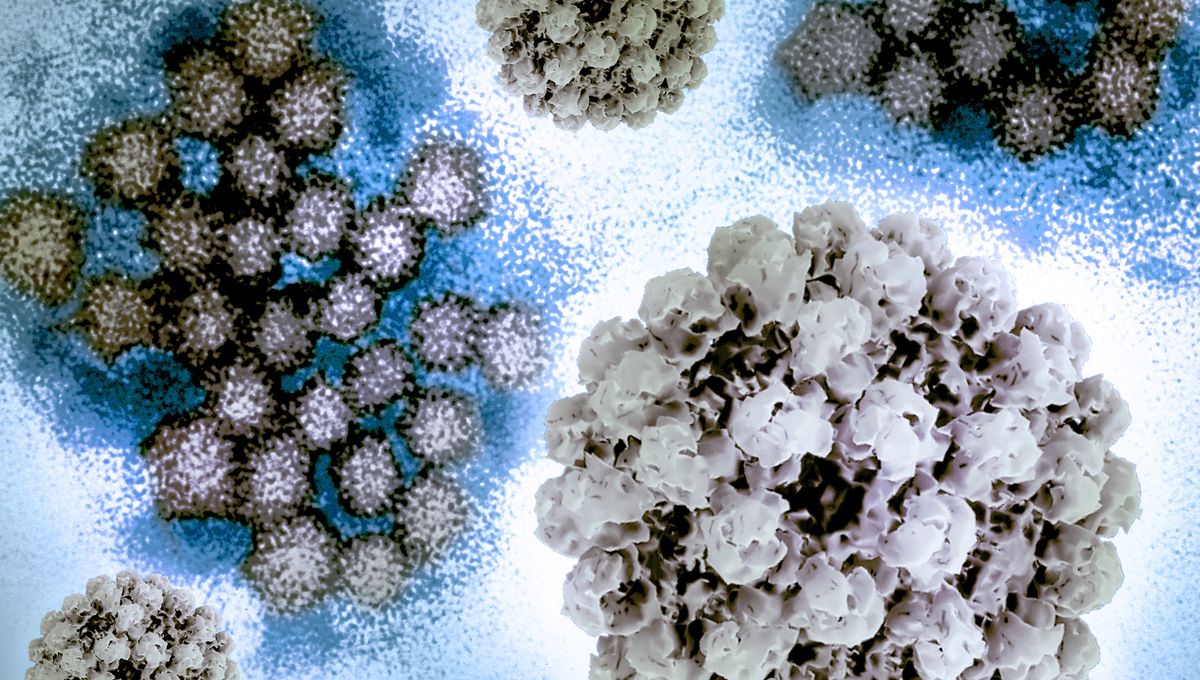
It’s not just the “superflu” getting people sick right now. Norovirus, scourge of cruise ships and ruiner of holiday plans, is coming back with a vengeance in some US states, with reports of a newer, highly contagious variant driving the spread.
Wastewater data from across the country is currently showing high levels of norovirus, with a rising trend over the last 21 days. It looks like cases are peaking slightly earlier than usual in some regions, as the majority of norovirus cases are normally recorded between December and March. Local media as far apart as California and Ohio are warning residents to be aware of the spread of infection.
Having said all that, the Centers for Disease Control and Prevention is reporting that the 2025-26 season is currently within the normal range, and there have so far been fewer outbreaks than at this point last year.
There’s some evidence that a new strain of the virus has been driving outbreaks in recent years. Called GII.17, it superseded the previously more common GII.14 in the 2024-25 season. It’s possible that this has left more people susceptible to infection as they won’t be protected by any immunity they’ve gained in the past.
“We don’t have a good sense of how long this immunity can actually protect us … but that immunity probably won’t protect you against another strain,” Yale School of Medicine assistant professor Dr Scott Roberts told TODAY.
What is norovirus?
Norovirus, or the winter vomiting disease, is often referred to as “stomach flu”, but this virus actually has nothing to do with the respiratory influenza virus we call flu. It’s an RNA virus in the Caliciviridae family and causes acute gastroenteritis.
As few as 10 virus particles are enough to get you infected with norovirus – hence all the outbreaks in close quarters like cruise ships – which in practice means about 48 hours of misery are coming your way. The disease is characterized by sudden and sometimes severe nausea, vomiting, and diarrhea. Symptoms typically show up 12 to 48 hours after exposure.
There are no treatments, but for most people, the symptoms will clear on their own in two or three days. But in more vulnerable people, such as the elderly or young children, the illness can become more serious and even life-threatening – it’s responsible for an average of 900 deaths per year in the US.
One of the key risks is dehydration. Mild dehydration can be treated by increasing fluid intake and using over-the-counter rehydration products, but if you suspect severe dehydration, you should seek medical help.
As well as being highly contagious, the virus is not easily killed with common hand sanitizers, so it’s vital to wash hands thoroughly with soap and water. Surface cleansers containing bleach are best for cleaning areas in the home, and if someone has been unwell, remember to wash bedding, towels, and clothes separately and at a high temperature.
It’s also vital to practice good hygiene around food preparation. Anyone who has recently been sick with norovirus should not prepare food for others. The infection is actually the leading cause of food poisoning in the United States.
Even after the symptoms of norovirus have passed, you can still pass on the infection for two weeks or more. So, if you want to do everything you can to avoid a not-so-jolly holiday, maybe throw some extra handwash into your shopping cart along with the cranberries and turkey – bonus points if it has a fun, festive scent!
The content of this article is not intended to be a substitute for professional medical advice, diagnosis, or treatment. Always seek the advice of qualified health providers with questions you may have regarding medical conditions.

Source Link: Thought “Superflu” Was Bad? Strap In: It’s Norovirus Season In The US
