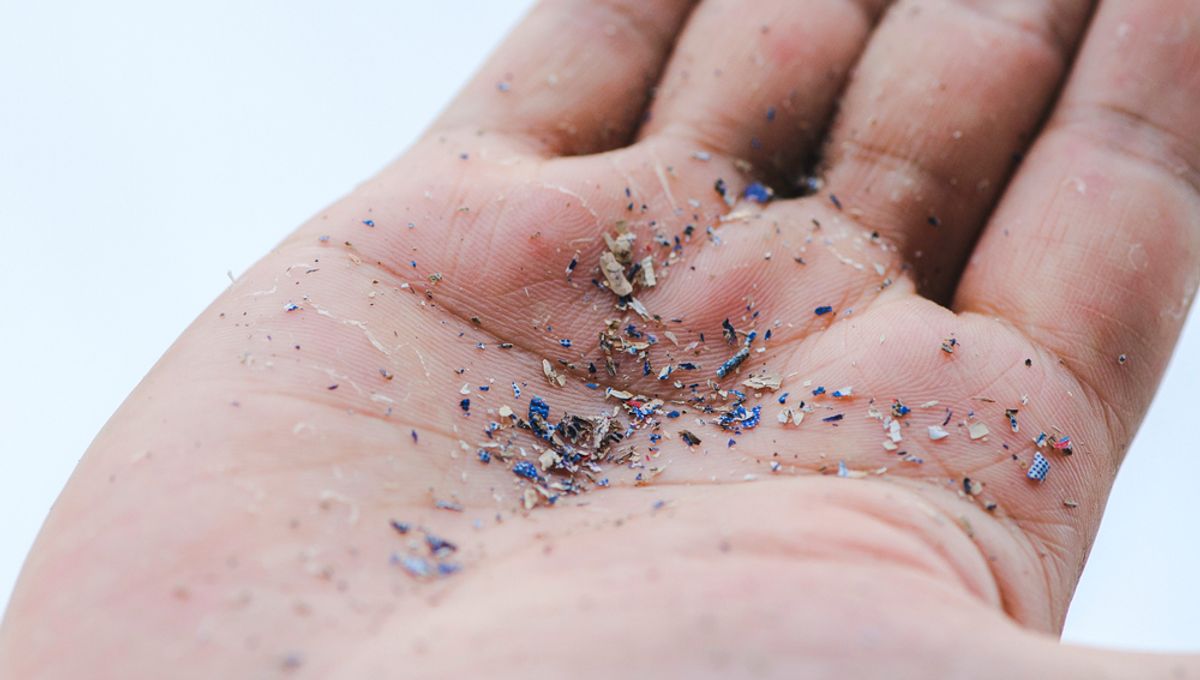
Microplastics have been discovered in the human heart and its innermost tissues for the first time. While the health consequences of this are still unknown, the new study is yet another grim reminder of how pervasive the world’s plastic problem has become within just a century.
In a new study, scientists at Beijing Anzhen Hospital in China collected cardiac tissue samples from 15 patients undergoing heart surgery, as well as well blood samples taken both pre- and post-operation.
Using a number of different imaging techniques, the team “detected tens to thousands of individual microplastic pieces in most tissue samples,” according to a press release.
While it’s clear that surgery did introduce microplastics, there was also evidence that the foreign plastics were embedded in the tissues before the patients were laid on the operation table.
For starters, all of the blood samples contained microplastics. The blood samples taken post-surgery contained microplastics of a smaller size and had more diverse types of plastics. This suggests that some microplastics were introduced to the body during the operation.
Out of the tissue samples, the researchers found nine types of plastic in five types of heart tissue. Some of these microplastics were evidently there before any operation took place.
The team identified microscopic particles of poly(methyl methacrylate) – a plastic commonly used as a shatter-resistant alternative to glass – in the left atrial appendage, epicardial adipose tissue, and pericardial adipose tissue, which they say “cannot be attributed to accidental exposure during surgery.”
Other types of plastic found in the sample included polyethylene terephthalate – widely used in clothing and food containers – and polyvinyl chloride – which is pervasive in building and construction.
“The detection of in vivo MPs [microplastics] is alarming, and more studies are necessary to investigate how the MPs enter the cardiac tissues and the potential effects of MPs on long-term prognosis after cardiac surgery,” the study authors write in their conclusion.
Microplastics have been found in practically every nook and cranny of Earth’s environment, from the ice of Antarctica to the snow of the Arctic.
There’s mounting evidence that microplastics are becoming more pervasive in the human body too. Scientists have found that human poop is riddled with microplastics, indicating the materials are pervasive in the human gut. There’s also evidence there are microplastics embedded in many other organs and tissue. They’ve even identified them in human placentas.
The impact of microplastic on animal health is not widely agreed upon nor fully understood, although evidence is starting to emerge that it has a detrimental effect, unsurprisingly.
Either way, it’s quite incredible have pervasive they have become considering that plastics have only been mass-produce for less than a century.
The study is published journal Environmental Science & Technology.

Source Link: Thousands Of Microplastics Discovered In Human Heart Tissue For First Time
