Late on Saturday March 4, 2023, United Nations (UN) member states finally agreed the legal framework for a treaty designed to protect the high seas. This development was nearly 20 years in the making and represents an important step towards reversing biodiversity loss and ensuring sustainable development. However, it is only the first step in a long journey.
The UN High Seas Treaty places 30 percent of the world’s oceans into protected areas and is vital for enforcing the 30×30 pledge made at the COP15 biodiversity conference in December 2022. This pledge seeks to designate a third of Earth’s land and oceans as protected areas by 2030. Without this new treaty, the chances of achieving this goal are extremely slim, as there are no other legal mechanisms to establish marine protection areas on the high seas.
The seas belong to all
The “high seas” refers to oceans that lie beyond national boundaries. These international waters make up about two-thirds of the world’s oceans and are open to everyone. This means that no individual country has jurisdiction over them and cannot make decisions to protect their biodiversity from exploitation, overfishing, or shipping traffic. This has, until now, left marine life in a vulnerable position.
What’s at risk?
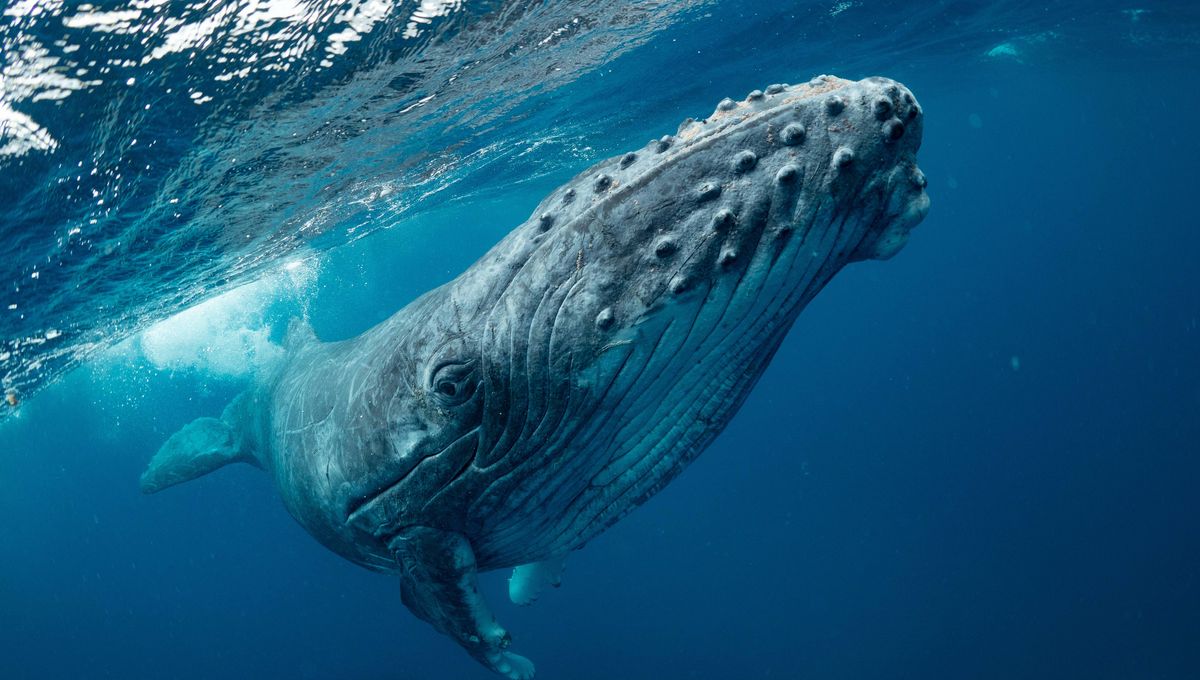
International waters are among the largest reservoirs of marine diversity, and provide habitats and migratory routes for various species such as whales, sharks, sea turtles, and seabirds. They also contain incredible ecosystems, like deep-water corals, that are home to rare forms of marine life. Yet they are all at risk.
In December 2022, the International Union for Conservation of Nature (IUCN) assessed that nearly 10 percent of marine species are at risk of extinction. The biggest threats continue to be unsustainable fishing, pollution, disease, and climate change. The IUCN’s Red List of Threatened Species now includes 150,388 species, of which 42,108 are threatened with extinction. The IUCN has also found that 41 percent of those threatened species are affected by climate change.
Anthropogenic climate change, climate change driven by human activity, is not only causing more episodes of high air temperatures but is also producing historically high ocean temperatures. These marine heatwaves have increased more than 20-fold in recent years and are likely to occur on an annual to decadal basis if global air temperatures rise by 3°C (5.4°F). This is a terrifying figure given that, prior to the industrial era, such heatwaves occurred once in a hundred to thousands of years.
What does the High Seas Treaty offer?
“This action is a victory for multilateralism and for global efforts to counter the destructive trends facing ocean health, now and for generations to come”, UN Secretary-General António Guterres said in a statement.
The new High Seas Treaty is the first of its kind and will provide a legal framework for protecting international waters from industrial fishing and deep-sea mining. It also provides opportunities to build resilience to climate change. However, contentions and challenges remain.
In particular, the level of protection to be afforded to these areas was consistently contested and is yet to be resolved.
Moreover, debates over how to divide the benefits of marine genetic resources continue and will need to be firmly agreed in the final document. The high seas are still largely unresearched and are expected to hold many new discoveries that could benefit humans in years to come. Marine genetic resources – biological materials from plants and animals – are valuable resources for the development of pharmaceutical compounds, cosmetics, food supplements, and some industrial processes.
“So far, only a handful of countries have started to commercialise marine genetic resources. Here, the treaty must give guidance on how these and profits made from them can be shared more equitably and transparently,” Robert Blasiak, from Stockholm University, Sweden, said in a statement.
According to a statement made by Dr Laura Meller, Oceans Campaigner for Greenpeace, “We can now finally move from talk to real change at sea. Countries must formally adopt the Treaty and ratify it as quickly as possible to bring it into force, and then deliver the fully protected ocean sanctuaries our planet needs. The clock is still ticking to deliver 30×30. We have half a decade left, and we can’t be complacent.”
Now the hard work of ratifying and implementing the treaty begins. The treaty needs to be formally adopted by the UN member states and ratified by at least 60 states before it can come into force. There will inevitably be further debates and discussions on the nature of marine protection and how it will be managed and enforced.

Source Link: UN Agrees Historic Deal To Protect International Oceans
