


Kīlauea is one of the world’s most active volcanoes, spewing out lava and ash intermittently for most of 2025. Now, a camera operated by the US Geological Survey (USGS) has filmed its own demise as the volcanic eruptions come ever closer to the lens.
The rest of this article is behind a paywall. Please sign in or subscribe to access the full content.
Kīlauea is found on the southeastern shore of Hawaiʻi Island and is the youngest volcano found there. It is said to have covered 90 percent of its surface in lava flows within the last 1,000 years.
It is thought to have formed about 280,000 years ago underwater and has long shallow slopes. Per local tradition, Kīlauea is home to a deity called Pelehonuamea who lives in the Halemaʻumaʻu crater, which has hosted a lava lake since an eruption in 2021.

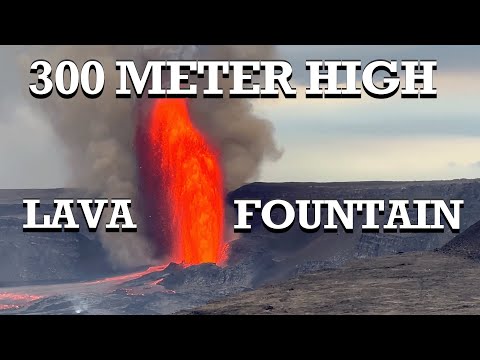
On December 6, lava was spewing from the Halemaʻumaʻu crater, sending rocks, boulders, and molten material high into the air. The eruption was so violent that it sent one of the live webcams that monitors the feed offline, but not before it managed to capture the minutes before its end.
Earlier this year, Kīlauea shot large amounts of volcanic rock into the air in a fountain spray not seen since the 1980s. “The eruption has been characterized by episodic fountaining not seen in any eruptions since the 1983-86 episodic fountains at the beginning of the Pu’u’ō’ō eruption,” USGS representatives wrote at the time.
The jury is still out on whether the camera, which was installed in May, will be replaced.
“We’ll work carefully with Hawaii Volcanoes National Park to identify a location to potentially put a new camera, keeping in consideration the eruption and areas that could potentially be affected by tephra fallout,” said Hawaiian Volcano Observatory (HVO) geologist Katie Mulliken to Spectrum News Hawaii. “But if HVO decides to deploy another camera, it will take time since the camera systems are complex and need infrastructure to power and relay the data.”


Source Link: Want To Know What The Last 2 Minutes Before Being Swallowed By A Volcanic Eruption Look Like? Now You Can