We’ve all been there – one too many slices of garlic bread and you’ve woken up with breath that smells like an Italian restaurant, and probably not in a good way. Humans have been known to have some pretty pungent odors waft out our mouths, but what about other animals?
The answer to the question “what has the worst breath in the animal kingdom?” is not clear-cut. Regrettably, there isn’t much in the way of scientific literature on the topic. However, there is some anecdotal evidence to suggest some creatures have breath that absolutely reeks.
What causes bad breath?
Bad breath can be caused by multiple factors, including improper oral hygiene – fairly common for animals without access to a dentist – or eating unpleasant-smelling foods – also common in the animal kingdom.
As well as the foods themselves smelling, remnants can get trapped in between teeth and on the tongue and can begin to rot, creating more opportunities for bad breath.
It’s not surprising, then, that some animals have such acrid aromas on their breath.
Which animals have the worst breath?
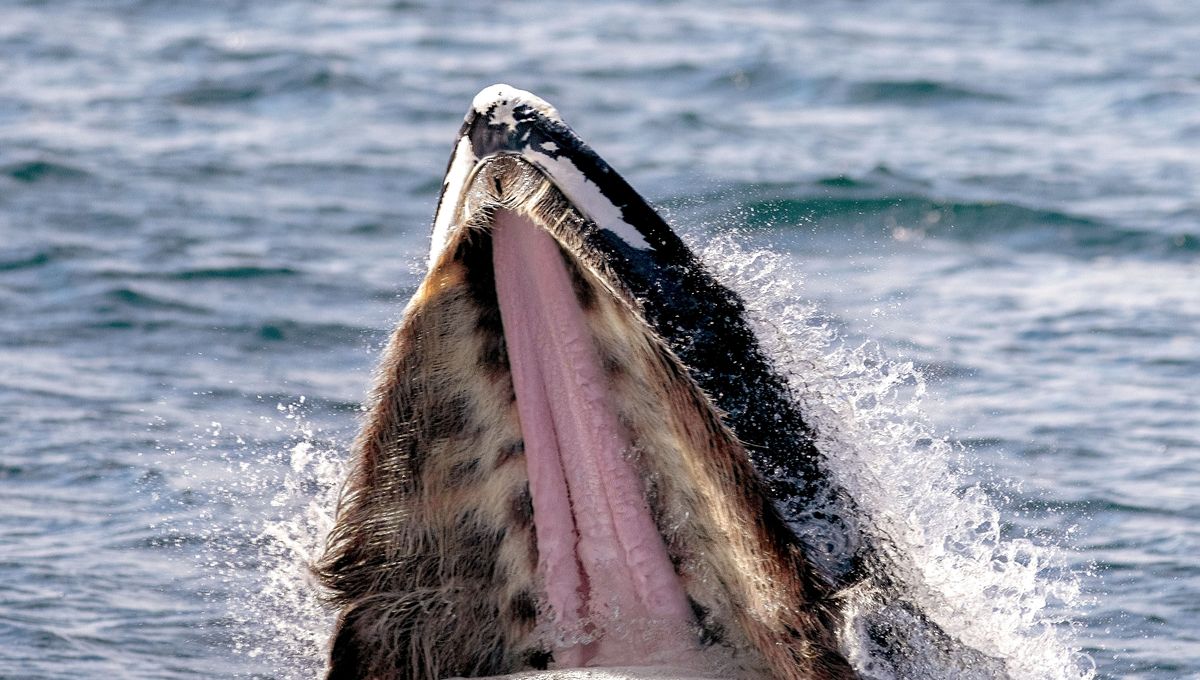
One of the top contenders is the humpback whale. Whales draw breath through the blowhole on the top of their heads and must surface infrequently in order to breathe. They then expel a plume of mist, which according to Monterey Bay Aquarium, smells so bad it can “leave you broken hearted”.
The cetaceans feast on huge quantities of krill, which is stinky at the best of times, let alone after it’s been ingested by a whale. Douglas Fox, a writer who had the misfortune of smelling humpback whale breath while exploring glacial fjords along the Antarctic Peninsula, described their breath as follows for National Geographic:
“The odor is blunt and pungent, almost a taste in the mouth, an unholy mingling of fart and fishiness – hundreds of gallons of air forcefully expelled from its lungs, laced with the fumes of half-digested krill, hundreds of pounds of these slow-dissolving crustaceans fermenting in its stomach.”
We’d take good old-fashioned morning breath over that any day.
In a similar vein, thanks to their fishy diet, sea lions are often touted as having some of the worst breath in the animal kingdom.
Also up there on the bad breath podium are vultures. First of all, these scavengers feed on the rotting flesh of dead animals, which famously smells pretty awful. They also routinely vomit, as the stench of spewed up carcass is, understandably, off-putting to predators and can even sting their eyes and faces, plus doing so allows the vultures to fly away more quickly.
Rotting flesh and puke? We’re sure it makes for a bad case of halitosis.
Then there’s the Tasmanian devil. The Australian marsupials are notoriously stinky. Not only do they emit a foul, musky odor from their scent glands when threatened, but their breath is said to be incredibly putrid, thanks to their diet of rotting meat.
No amount of mouthwash could combat that stench. Just thank your lucky stars that some potent garlic is the worst you have to contend with.

Source Link: What Has The Worst Breath In The Animal Kingdom?
