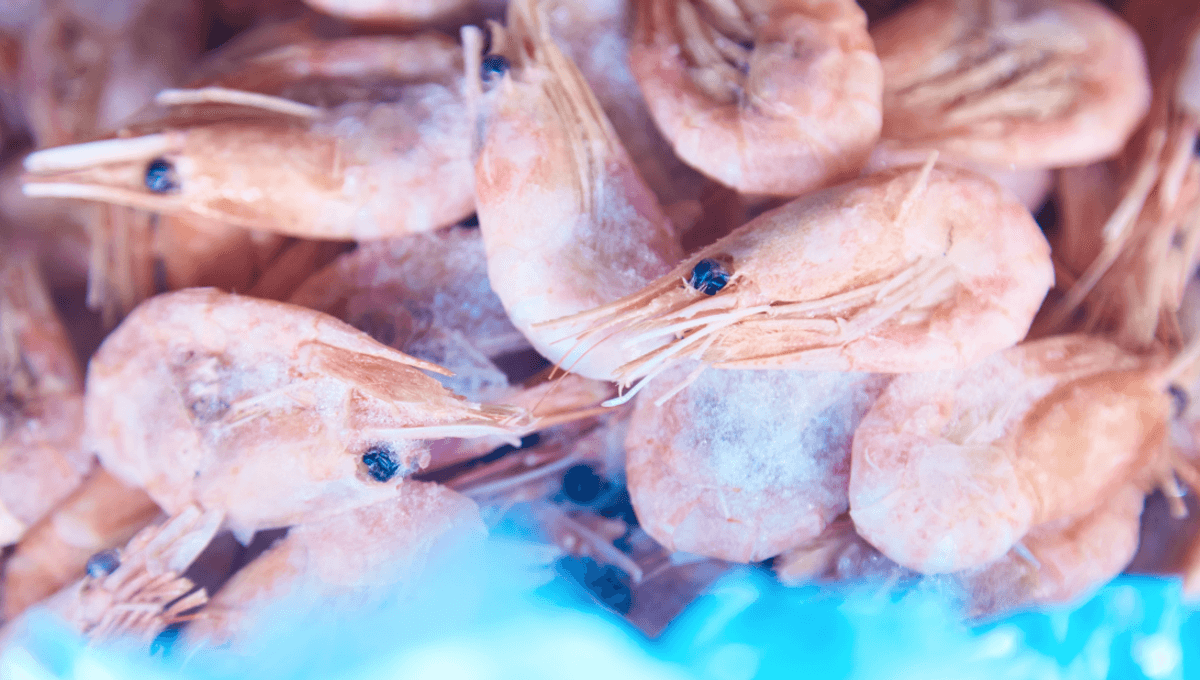
The advent of refrigeration and freezing has meant we can now store food in our houses until we’re ready to eat it. Perishable items like prawns can sit snuggly in the dark of our freezer, waiting until it’s their time to shine – only, some of that seafood might already be glowing without you knowing.
The rest of this article is behind a paywall. Please sign in or subscribe to access the full content.
Yes, the US Food and Drug Administration has received many reports from people who were, understandably, shocked to see that their seafood was glowing in the dark. Some had freezers with burned-out light bulbs, others were feeding their pet turtles, and some were just about to enjoy a midnight crab sandwich when they spotted the mysterious phenomenon. One person was so excited by what they saw that they took the seafood to a local TV station, but it melted and was no longer glowing by the time they tried to demonstrate the eerie trick.
Though reports of illness were low among those who had eaten the different kinds of glowing seafood, there were some who experienced stomach cramps and headaches. So, what was going on?
Analyses of some of the reported glowing seafood revealed the bacteria Photobacterium phosphoreum and Vibrio logei, both of which are common in the marine environment (though it’s worth noting that some people got sick after eating glowing imitation crab meat, and those samples yielded Listeria monocytogenes, V. cholerae, and V. vulnificus – aka, bad times).
P. phosphoreum, as its name would suggest, is a Gram-negative bacterium known for being bioluminescent. In the deep-sea, it’s dead handy, living in symbiosis with glowy animals like anglerfish. It’s also thought to be among the most common causes of glowing seafood. Similarly, V. logei has been found in the light organ of squid.
These glow-in-the-dark bacteria are common in marine environments, so it’s no surprise that they can wind up in our seafood. That may be indirectly, but we also know that bioluminescence is more common than we once realized among shrimp and other deep-sea species. These bacteria are also quite tolerant when it comes to cold temperatures, meaning they don’t struggle to be the light of the party even when in storage.
Though many of the bacterial strains that glow aren’t associated with a significant risk of harm, the general advice is that it’s better to be safe than sorry and not eat glowing seafood. The risk isn’t radiation-related, however radioactive it might look, but there was a recent scare about a batch of shrimp following their possible exposure to caesium in a shipping container. The threat posed by the shrimp was considered low, but could cause problems if anyone were exposed to them for a long time, so the product was recalled.
As for other things that glow when you aren’t expecting them to, might I tempt you to some foxfire?

Source Link: Why Does Seafood Glow In The Dark? This Curious Phenomenon Has A Teeny Tiny Explanation
