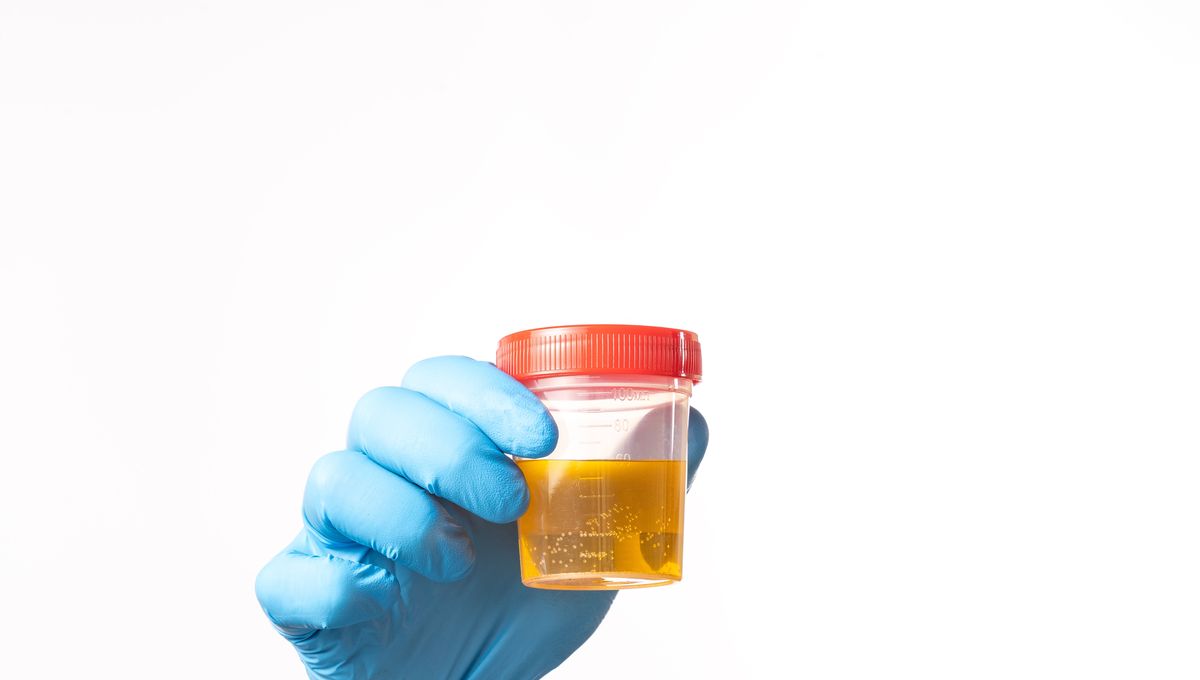
There are some people who look down into the bowl of their toilet and just think, “Wow, this stuff is magical, I must immediately drink it to receive all the remedies to my ailments”. This odd practice is called Urophagia or Urine therapy.
Urine therapy has made the headlines, with some celebrities like Ke$ha, supposedly downing the stuff. It is also a very ancient practice – some thought it held medicinal properties, while others held off for more disastrous times when there was no source of clean water.
But, this article is not one to encourage you to partake. Oh, no! This article deeply discourages the practice as there are many health risks associated with it.
The history of urine drinking
There has been a long history of drinking urine. From the Book of Proverbs 5:15, one quote suggests that using urine may be good for health reasons: “…drink water from your own cistern, flowing water from your own well.” Urotherapy has even been described in Hindu texts that are over 5,000 years old, and some people still practice it today.
In Ancient Rome, it was thought that if you drank urine imported from Portugal, it would help whiten teeth and cleanse the mouth. Romans had a particular fascination with urine – they also used it as a cleaning agent and even to tan skin. There was so much urine used and collected that a tax was placed on the substance during Emperor Nero and Vespasian’s reigns. It was called vectigal urinae.
The Prime Minister of India (between 1977 and 1979), Morarji Desai, was a long-time urine drinker. He claimed to have cured his own brother of tuberculosis with it.
Even in modern times, athletes have touted the use of drinking their own urine. The Mexican boxing champion Juan Manuel Márquez drank a cup of his own urine before his fights.
The trend of drinking urine has cycles in social media. There are Facebook groups for the practice, viral videos (in one case, of a woman drinking her dog’s urine), and during the height of the COVID-19 pandemic, many anti-vaxxers were turning to urine as a supposed cure.
What is urine?
Urine is a waste product that is created by the kidneys. It contains a lot of water, urea, various electrolytes, phosphate, organic acids, uric acid, creatinine, trace amounts of proteins, water-soluble vitamins, and hormones.
Blood enters the kidneys, and it is filtered. Once urine is produced, it moves through the ureters to the bladder. The bladder is then a holding cell for your urine until it is time for you to go to the loo. When it is time to sit on the porcelain throne, the bladder squeezes all of the liquid out of the urethra and expels it out of the body and down the drain.
If urine is waste, why do people believe that drinking it is beneficial?
Many folk remedies in the past have used urine as it was a free resource, however, the science does not agree.
Urine exists mainly to remove things the body does not need. This may also include some vitamins and other minerals. For people who practice urine drinking, some think that instead of this being wasted, they are in fact recycling the “good stuff”.
Some people believe that drinking urine can help prevent allergic reactions. Supposedly, the antibodies found in the urine can make the immune system stronger.
Is drinking urine harmful?
One common misconception is that urine is sterile, but research indicates that urine actually contains low levels of bacteria. In one study, which evaluated over 100 cows and healthy children’s urine, several bacteria were identified, including:
- Bacillus spp.: A disease-causing, rod-shaped bacterium.
- Straphylococcus sp.: The bacteria behind staph infections.
- Citrobacter spp.: Gram-negative bacteria that inhabit the gastrointestinal tract and can cause diseases in newborns and debilitated or immunocompromised patients.
- Escherichia coli: Mainly found in the intestines; some kinds can cause illness, sometimes with diarrhea symptoms.
- Klebsiella spp.: Gram-negative, rod-shaped bacteria that can cause pneumonia, bloodstream infections, meningitis, and wound or surgical site infections.
- Proteus spp.: These are part of the Enterobacteriaceae family and can cause serious infections in humans.
- Pseudomonas spp.: Gram-negative, aerobic bacteria – some species can cause opportunistic infections, especially in people with burns, cancer, and cystic fibrosis.
- Salmonella spp.: Rod-shaped, Gram-negative bacteria that can cause fever, diarrhea, and stomach cramps.
- Shigella spp.: Gram-negative bacteria that can cause diarrhea upon ingestion.
Some of these strains found were even antibiotic-resistant. Drinking urine could reintroduce them back into the body, which could be an issue for some people, especially people with weak immune systems.
If all you were doing was drinking urine, this could cause dehydration. Each time it passes through the body, it becomes more and more concentrated. This can place stress on the kidneys, which need water to process all the waste products.
If you were taking a page out of Bear Grylls’ book and decided to drink urine in a life-or-death stranded situation, it may be okay once. But continuing to do so can make dehydration worse.
While it is thought that a small amount of urine drinking will not be harmful, most medical communities do not endorse this practice (whether it’s your own or not).
If you don’t want to waste the urine, what is it good for?
If you look down your loo, and you are sad that it is all going to waste, there are innovators out there trying to change that… and not requiring you to drink it.
- “Peecycling” has recently gained popularity during fertilizer shortages. Sanitized urine was shown in one study to increase crop yields by a third, and some people are using kits at home to collect and drop their precious samples to a Urine Depot for processing in Vermont.
- Wearable energy generators have used urine as fuel. Urine-powered cells can generate electricity to send a radio signal to a receiver.
- “Pee-power” toilets have been invented that generate electricity from urine.
- Scientists have created sustainable bricks from urine, loose sand, and bacteria.
Throughout history, humans have looked to their own bodies for answers – sometimes literally. But just because something is “natural” doesn’t mean it’s beneficial. Urine is your body saying, “I’m done with this.” So, rather than recycling it through your urinary tract, maybe just thank your kidneys for a job well done and move on.
The content of this article is not intended to be a substitute for professional medical advice, diagnosis, or treatment. Always seek the advice of qualified health providers with questions you may have regarding medical conditions.
All “explainer” articles are confirmed by fact checkers to be correct at time of publishing. Text, images, and links may be edited, removed, or added to at a later date to keep information current.

Source Link: Why You Shouldn’t Drink Your Own Urine (Can’t Believe We Have To Write This)
