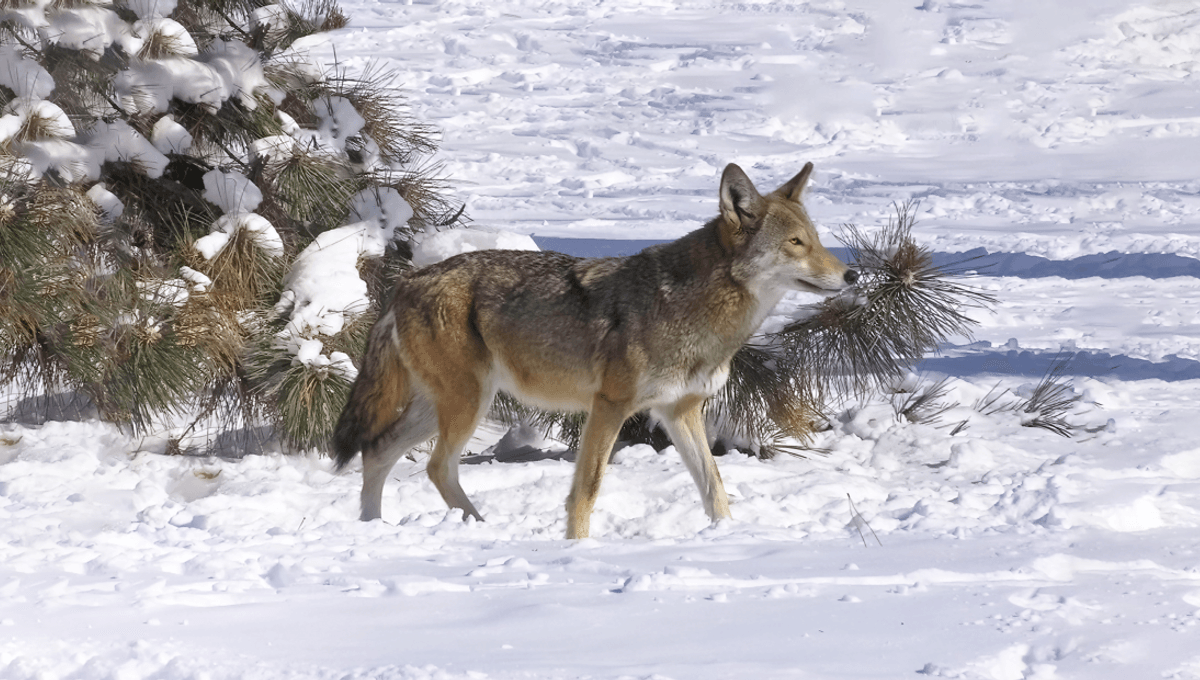
In the 1980s, a combination of persecution and habitat loss led to America’s red wolf being declared extinct in the wild. Conservation efforts to restore their numbers in the eastern United States have been up against it as debates about everything from livestock safety to their hybridization (they’re not hybrids, FYI) have tried to derail recovery efforts.
The rest of this article is behind a paywall. Please sign in or subscribe to access the full content.
Now, however, it looks as if the mission to restore red wolf populations may have turned a corner. The news comes as part of a new study titled: Restoring The Wild East: Predicting Public Support For Cougar And Red Wolf Reintroduction In The Eastern United States.
In a world where there are currently thought to be just 18 red wolves known to exist in the wild, it asks an important question: Are humans willing to share those landscapes with vilified large carnivores?
To find out, they surveyed participants from 72 counties (or “clusters”) that were chosen from states within red wolves’ historic range. They aimed to acquire at least 70 respondents per cluster from April to August 2023, amounting to over 3,800 responses.
“Hazard acceptance model” analyses of the results revealed that public perception towards red wolves has improved despite past conflicts. Responses from people who were living in areas where there were once red wolves were, in fact, supportive of their return. What the study really wanted to get into was why that might be by investigating the socio-psychological drivers of public support for reintroduction.
It seemed that the motivation behind their acceptance was that they felt the red wolf’s return could have societal benefits, as well as ecological ones. The shift in perception is a welcome turning point in the ongoing effort to restore red wolf populations as we work towards their potential return to the eastern US.
The study also examined cougar reintroduction and similarly found that perceived benefits were pivotal in a person’s acceptance of their reintroduction. However, among the 2,665 people surveyed, there was less support compared to those asked about red wolves due to participants’ fear of societal and personal risk, highlighting there are species-specific concerns when it comes to carnivore reintroduction.
It’s the authors’ hope that as we get a better idea of where these concerns arise from, it can lead us in the direction of more effective outreach, conflict mitigation, and carnivore recovery planning.
“These results underscore the importance of effective communication, public education, and proactive emotional engagement strategies in enhancing support for large carnivore reintroduction,” wrote the authors. “Ultimately, by understanding and addressing these human dimensions, wildlife managers can design more effective and inclusive conservation initiatives, fostering coexistence and resilience within human-dominated landscapes.”
The study is published in the journal Biological Conservation.

Source Link: 18 Of These Rare Mammals Live In The Wild. Have We Reached A Turning Point In Their Return To The US?
