• Email Us: [email protected]
  • Contact Us: +1 718 874 1545
  • Skip to main content
  • Skip to primary sidebar

Medical Market Report

  • Home
  • All Reports
  • About Us
  • Contact Us

Alpacas Get Bird Flu Too – World-First Report Confirms Infections On Idaho Farm

May 30, 2024 by Deborah Bloomfield

The strain of H5N1 that authorities have dubbed Highly Pathogenic Avian Influenza (HPAI) has been wreaking havoc among domestic and wild bird populations across the globe, but it’s certainly not been limited to our feathered friends. Lots of mammal species, including some you wouldn’t expect, have also been affected – not to mention a handful of human cases – but now there’s another furry victim to add to the list: alpacas.

Advertisement

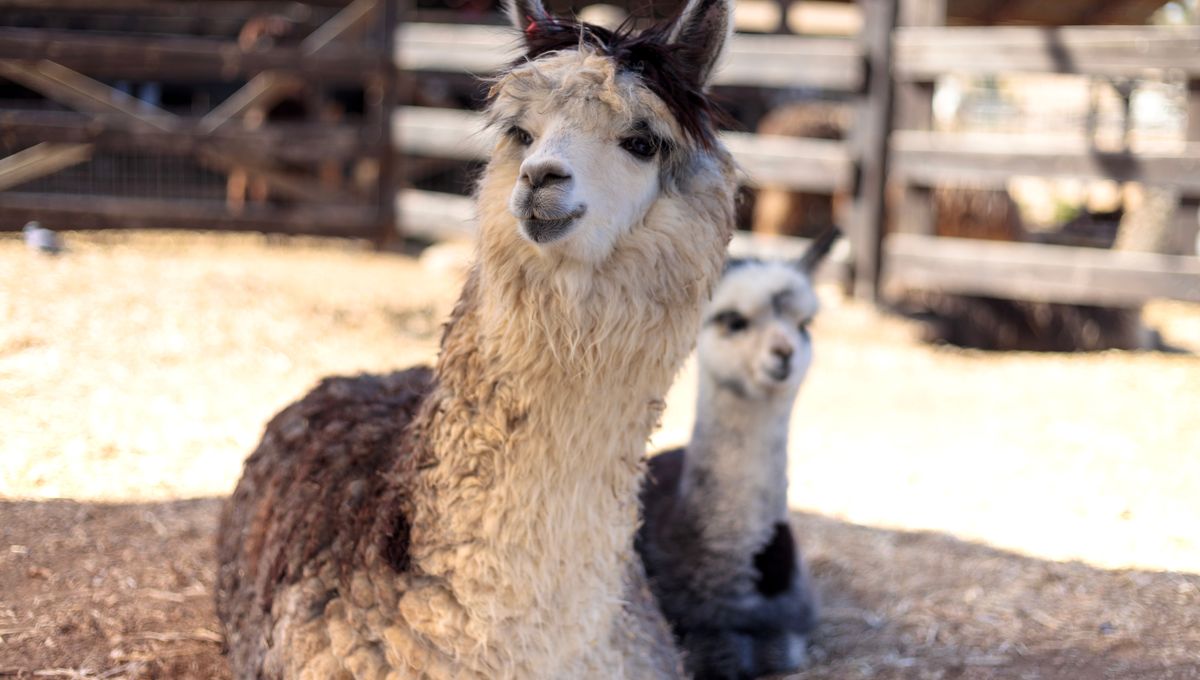
The US Department of Agriculture (USDA) announced on May 28 that the National Veterinary Services Laboratories (NVSL) had confirmed the detection of H5N1 in alpacas that had been living on a farm in Idaho alongside infected birds. 

Advertisement

The viral strain is the same one that’s currently spreading among dairy cows in several states, as confirmed by genetic sequencing, and matched viral isolates from birds on the farm that had been culled, suggesting the alpacas caught the virus from their winged neighbors. It somewhat mirrors the recent reports of farm cats being infected after consuming contaminated raw milk. 

Out of 18 alpacas, only four were found to be infected. At the time of writing, no deaths have been reported, according to data submitted to the World Organisation for Animal Health.

But this data also serves as a reminder of just how many different species have now been affected by HPAI. A polar bear, several wild pumas, and even an American marten – an animal so elusive you’ll probably never see one in the wild – have all been impacted. 

Given the clear vulnerability of non-avian species, it’s understandable that health experts would be concerned about the potential threat H5N1 may pose to humans. As a direct result of the dairy cow outbreak in the US, two workers are known to have been infected, though both have since fully recovered. The big fear would be if the virus were to evolve the ability for sustained human-to-human transmission – we’re not there yet, but that’s a big part of the reason why authorities are keeping such close tabs on the virus.

Advertisement

Many people are also working towards potential mitigation strategies, should the need arise, from general pandemic preparedness to developing innovative new flu vaccines. With COVID-19 still among us (much as we might wish it weren’t!), there are hopes we can take the lessons learned from tackling one virus and apply them as we pivot towards future threats.

Alpacas just joined a long list of mammals that are susceptible to HPAI strain H5N1. If the last few months are anything to go by, they unfortunately won’t be the last. 

Deborah Bloomfield
Deborah Bloomfield

Related posts:

  1. Cricket-NZ players reach Dubai after ‘specific, credible threat’ derailed Pakistan tour
  2. Soccer-Liverpool’s Alexander-Arnold ruled out of Man City game
  3. What Are Baby Platypuses Called?
  4. Should You Wash Chicken Before Cooking It?

Source Link: Alpacas Get Bird Flu Too – World-First Report Confirms Infections On Idaho Farm

Filed Under: News

Primary Sidebar

  • What’s The Difference Between Buffalo And Bison?
  • 18,000-Year-Old Stalagmite Sheds Light On Why Civilization Started In The Fertile Crescent
  • Enormous Anaconda Fossils Reveal They Got Big 12 Million Years Ago – And Stayed Big
  • Meet The Malaysian Earthtiger Tarantula: Secretive And Stripy With A Leg Span For Days
  • Meet The Thresher Shark, A Goofy Predator That Whips Up Cavitation Bubbles To Stun Prey
  • 18 Asteroids Passed Earth Closer Than The Moon In November – All Of Them Were Discovered That Month
  • 7th Person Cured Of HIV After Stem Cell Donation Offers Hope Of Expanded Treatment Options
  • Humans Weren’t Capable Of “Mass Hunting” Until 50,000 Years Ago – What Changed?
  • ESA Steps Up Earth Monitoring, As NASA And NOAA Missions Face Uncertain Futures
  • Yellowstone’s Wolves And The Controversy Racking Ecologists Right Now
  • A New Universal Principle Behind Fragmentation Predicts Size Of Any Breakup Debris
  • Airbus Just Had To Ground 6,000 Of Its Airplanes – Was A Celestial Threat To Blame?
  • Meet Pumuckel, The World’s Shortest Living Horse (And Probably The Cutest Thing You’ll See This Week)
  • How A 500-Year-Old Inaccurate Bible Is Responsible For The Modern World
  • This Newly Discovered Blood Type Is So Rare, Only 3 People In The World Are Known To Have It
  • The Science Of Magic: Find Out More In Issue 41 Of CURIOUS – Out Now
  • People Sailed To Australia And New Guinea 60,000 years ago
  • How Do Cells Know Their Location And Their Role In The Body?
  • What Are Those Strange Eye “Floaters” You See In Your Vision?
  • Have We Finally “Seen” Dark Matter? Mysterious Ancient Foot May Be From Our True Ancestor, And Much More This Week
  • Business
  • Health
  • News
  • Science
  • Technology
  • +1 718 874 1545
  • +91 78878 22626
  • [email protected]
Office Address
Prudour Pvt. Ltd. 420 Lexington Avenue Suite 300 New York City, NY 10170.

Powered by Prudour Network

Copyrights © 2025 · Medical Market Report. All Rights Reserved.

Go to mobile version