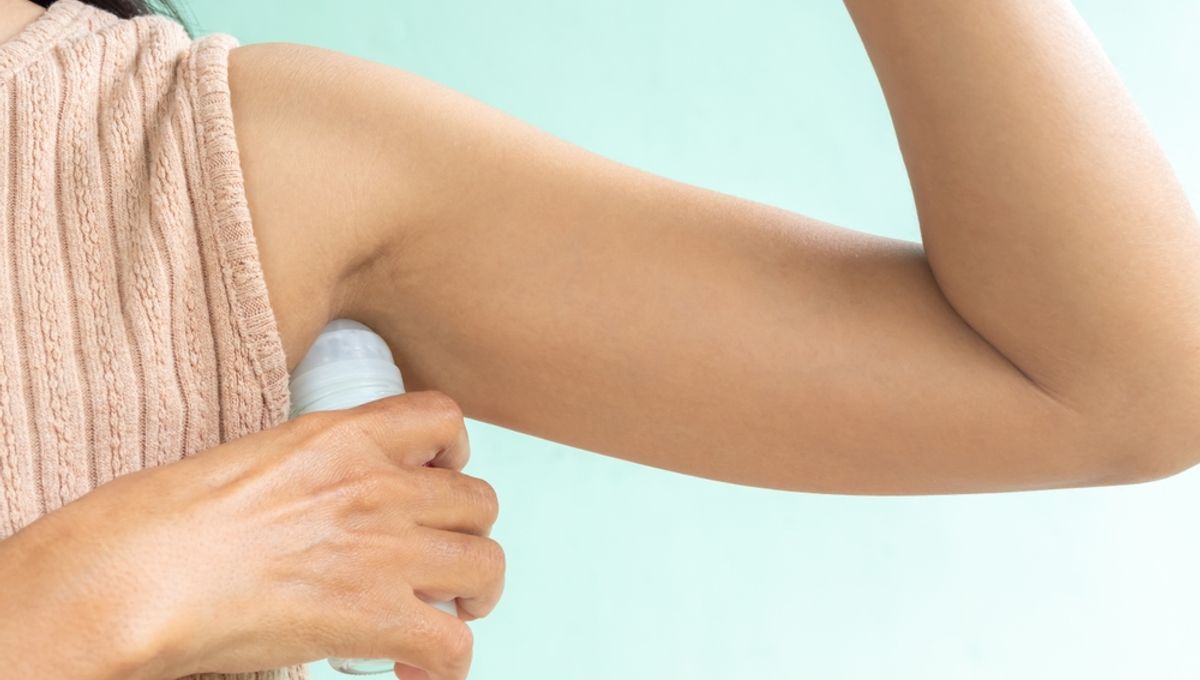
Sweat. It’s a beautiful thing. It cools, it hydrates, and even keeps microbes in check. Still, there are times you could do without it being quite so visible through your pale blue shirt, and for that, we invented antiperspirant.
The rest of this article is behind a paywall. Please sign in or subscribe to access the full content.
Something of a lifesaver for those who wish to use it, but when should you apply it? If you’re thinking first thing in the morning, boy, do we have news for you. For the best results, antiperspirant should be applied at night, not in the morning, and the reason why comes down to how the product works.
First, for a quick recap: antiperspirant (which is available in clinical strengths) differs from deodorant. The former uses aluminium salts to prevent sweat. Deodorant, on the other hand, merely masks odor using nice fragrances. You can get antiperspirants that are combined with deodorants, but both they and the purest forms of antiperspirant work better if you apply them at night.
Those aluminium salts work by dissolving into sweat and creating a kind of gel that acts like a temporary plug. It prevents your sweat glands’ output from reaching the surface, so your skin stays dry and you don’t soak through your clothes.
Why you should put on antiperspirant at night
It makes sense to wake up, shower, and apply your antiperspirant as you’re getting dressed in the morning. The thing is, the experts have a different recommendation if you want to get the most out of your antiperspirant.
“For best results, use your antiperspirant in the evening,” says the International Hyperhidrosis Society (IHS). “Sweat production is at its lowest at night, and evening application gives the active ingredients in antiperspirants time overnight to get into your pores in order to block perspiration when the sun comes up and you really get moving.”
You can choose to reapply in the morning, also, but getting the product nice and in place while you snooze will give you the best results as you head out into the big wide world the next day.
Do antiperspirants clog sweat glands?
Though it forms a physical plug, using antiperspirant won’t cause your sweat glands to swell up like grapes. That’s because, as the IHS reports, the skin has a kind of in-built feedback system that means plugged sweat glands will stop sweating until they’re clear again.
It can take several hours for antiperspirant to set, and the resulting plugs can last for around 24 hours before gradually washing away. So remember: roll, spray, or stick your antiperspirant at night, in the morning, and just leave the products alone when you’re ready to let it flow.
Happy sweating! And don’t feel self conscious. After all, horse sweat is much creepier.

Source Link: Antiperspirant Before Bed, Or In The Morning? There Is A Right Answer
