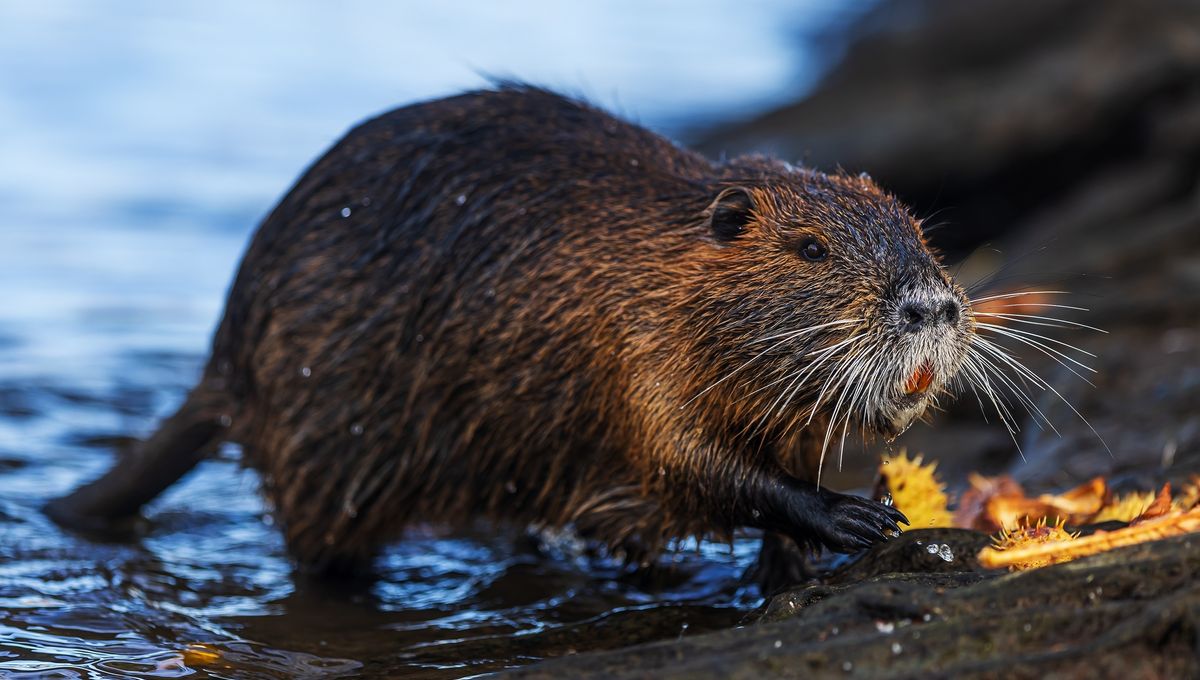
Invasive species are a serious problem, but what’s the best way to deal with them? One solution might be to stick ‘em in a stew and gobble them right up.
What is an invasive species?
ADVERTISEMENT
Invasive species are non-native species that cause harm. Introduced either on purpose or accidentally to areas where they don’t naturally exist, these species are deemed to have a serious negative impact on the environment, human, animal, or plant health, the economy, or even combinations of the three. There are thought to be more than 6,500 such species established in the US.
Can you eat any of them?
While there are lots of different methods for trying to manage invasive species – primarily, preventing them from invading in the first place – some have proposed that turning them into food could make a particularly economical answer to the problem.
One of the invasive species that you can eat is nutria (Myocastor coypus) – y’know, those giant rat-like animals that people on TikTok have been feeding? Yeah… they’re not supposed to be anywhere but South America, and people definitely shouldn’t be feeding them.
These Rodents of Unusual Size were first brought over to the US for their fur, but when that market collapsed in the 1940s, they were released or escaped and have been wrecking wetlands ever since, which affects the ability of native species to thrive and keep the environment.
It’s not the nutria’s fault, of course – they’re just doing what they naturally do – but that doesn’t mean that they aren’t a significant problem. The US Fish and Wildlife Service’s solution? “Save a Swamp, Sauté a Nutria.” According to the agency, nutria meat is “lean, mild, and tastes like rabbit.”
People have also taken to Florida’s iguana problem in this way, popping the “chicken of the trees” into all kinds of different recipes, while lionfish, wild boar, and northern snakehead are also all a source of invasive species meat (although make sure to remove the lionfish’s venomous spines).
ADVERTISEMENT
If any of those are tempting your tastebuds, it’s important to not rush straight out in search of delicious invasive ingredients; check out what the hunting regulations are in your area, and make sure you know what you want to eat actually is edible.
The same goes for plant-based ingredients; kudzu and garlic mustard are both invasive species that can be foraged and eaten, but there are also plenty of plants that you should stay well away from. Giant hogweed is a problem, sure, but it’s definitely not one to put in a salad, given that its toxic sap can burn your skin.
Once you’ve made sure that everything is legal and you’re not going to accidentally injure yourself, then go right ahead. Nutria stew, iguana kebabs, a side salad of kudzu leaves? The world is your invasive oyster.

Source Link: Can You Eat Invasive Species In The US?
