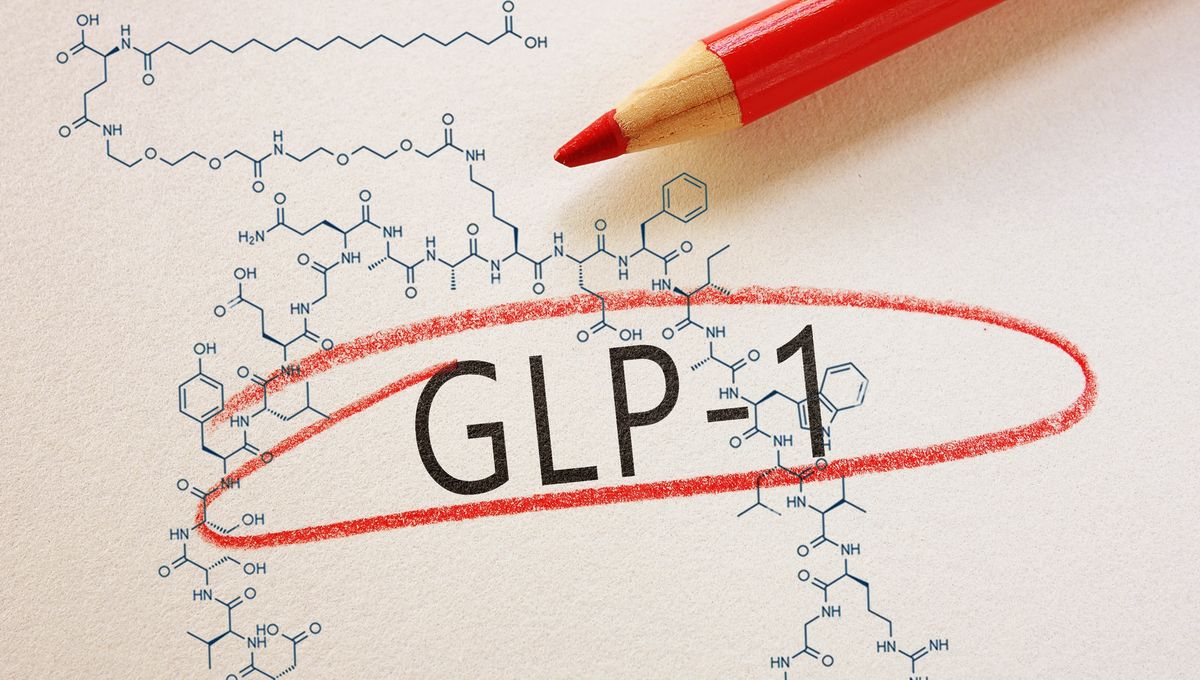
GLP-1 receptor agonists, developed as treatments for type 2 diabetes, have become some of the most in-demand drugs on the market. Studies are published at least weekly on their effects, reporting both unexpected bonuses for health, and worrying side effects. With millions of people now taking them, and many more likely to in the near future, it’s time to discuss how they achieve their intended effects on the body, and a little about some aspects where there is still more to learn.
Why blood sugar control matters
Glucose is an exceptionally widely used molecule across most forms of life. It serves as a store of energy that plants can make from sunlight and two of Earth’s most abundant molecules, while also being less likely than some alternatives to engage in undesirable reactions. Although plants usually bind glucose up into polymers like starch, animals break the polymers down using enzymes so their cells can get at that precious energy.
Part of the blood’s role is to transport glucose to the cells that need it. For most of our evolutionary history, the challenge for our ancestors was to get enough glucose, but industrial farming means much of the world now has access to far more than we need. Yet we still have taste receptors from an era when craving sweet tastes had few drawbacks besides getting stung by bees, making that extra block of chocolate or sweet drink hard to resist.
The body produces insulin to help cells access the glucose in the bloodstream so they can convert it into the molecules they need, be they fats or glycogen (the stored form of glucose found in the liver and skeletal muscles). Without insulin, sugars build up in the blood, not only depriving organs of the energy they need, but also creating plenty of negative effects from the excess.
Although the insulin system sometimes failed in the past, persistently high blood sugar has created a far more common problem, where the insulin-producing cells of the pancreas get overworked and cease to function as effectively. Meanwhile, other organs become so used to being overloaded with both glucose and insulin that they respond less, requiring more insulin to achieve the same effect, just when the body is finding it harder to produce. The combination is known as type 2 diabetes.
The role of GLP-1s
Glucagon-like peptide-1 (GLP-1) is a hormone produced in the intestine by specific cells and in the brainstem. GLP-1 boosts insulin production, making a replica molecule an obvious target for drugs to treat type 2 diabetes.
Unfortunately, however, GLP-1 gets broken down very fast in the body – a molecule has a half-life of a few minutes. That short life has an evolutionary purpose – the point of GLP-1 is to spur insulin production when it’s needed after meals, as signaled by the presence of food in the intestine. If it lasts too long, cells would keep on being pushed to produce insulin when it isn’t needed, overworking them and potentially lowering blood sugar to dangerous levels.
However, in these new circumstances, where more sustained insulin production is exactly what some of us need, GLP-1’s short half-life meant it stopped being seen as a wonder-drug against diabetes. Drugs that would help GLP-1 last longer exist, but haven’t proven as effective for diabetes control as was hoped.
Target the receptor instead
The drugs now on the market don’t give us more GLP-1; instead, they rely on the fact that to do their work, molecules like GLP-1 need to hook into receptors on the cell’s surface. Both the insulin-producing beta cells of the pancreas and the neurons in the brain that respond to GLP-1s have these receptors shaped to match GLP-1s like a lock to a key.
This opened a new path to diabetes control: instead of giving the body more GLP-1, give it something else that would do the same job. It was recognized that a molecule that would fit the lock of GLP-1 receptors, stimulating the same response of increased insulin production, would help control blood sugar, provided these molecules had a longer lifespan within the body.
Having the idea and finding the right molecule were very different things, but thanks to some help from the Gila monster, scientists eventually found the basic idea.
Several molecules have been made that can perform this role with varying levels of effectiveness and side effects, although semaglutide, marketed as Ozempic and Wegovy, dominates the market. It’s similar to GLP-1, but with some crucial differences that cause it to bind to the blood protein albumin, which acts as a sort of protection, allowing it to last longer. It also replaces GLP-1’s most vulnerable amino acid, alanine, with one less easily broken down.
Evolution has often favored using a single molecule for multiple purposes. The same receptors that appear on beta cells are also found on neurons in the brain, triggering the sense of being full. Molecules designed to bolster insulin production therefore also cause us to feel less hungry, and therefore consume less food. Since obesity is a major driver of type 2 diabetes, the resulting weight loss from reduced food consumption made GLP-1 agonists a double winner for diabetes-fighting. The result has been dramatic reductions in deaths and type 2 diabetes symptoms among those taking them.
Suspected other consequences, good and bad
The capacity to make people feel full, and therefore eat less food, has made GLP-1 agonists effective weight-loss drugs, even where diabetes is not an issue. In a world where most weight-loss treatments were either outright scams, required discipline people couldn’t maintain, or came with nasty side effects, these drugs were a game-changer, but that’s not the end of the story.
Besides diabetes treatment and weight loss, GLP-1 agonists are under investigation as potentially beneficial for many other conditions. These include diseases as diverse as Alzheimer’s disease and certain cancers, to breaking addictions. In some cases, the mechanism of action is probably through weight-loss, but in others, it’s far from clear how GLP-1 agonists are doing their work.
Nevertheless, with so many people taking the drugs for other purposes, there is plenty of opportunity for unexpected and unexplained benefits to show up. Naturally, this is one area of research where funding is relatively easy to come by; the companies behind these drugs have plenty of incentive to fund research that could expand their already giant market further.
Meanwhile, it would be surprising if there was no price beyond the financial to pay. Nausea is common, and evidence has been found for serious loss of muscle mass and increased kidney stones. Once again, the reasons for some of these lie in the known triggering of GLP-1 receptors. On the other hand, for others, the mechanism by which these molecules induce these side effects remains unknown.

Source Link: How Do GLP-1 Agonists Like Ozempic and Wegovy Work?
