One of the complaints when it comes to solar power is that you usually have to link it to batteries. Even in areas with plenty of sun, you cannot have sunlight 24/7 all year round. At least, not on Earth. In space, however, you can. For decades, people have been considering options and possibilities of space solar power. Now, it might become a commercial reality in just a few years.
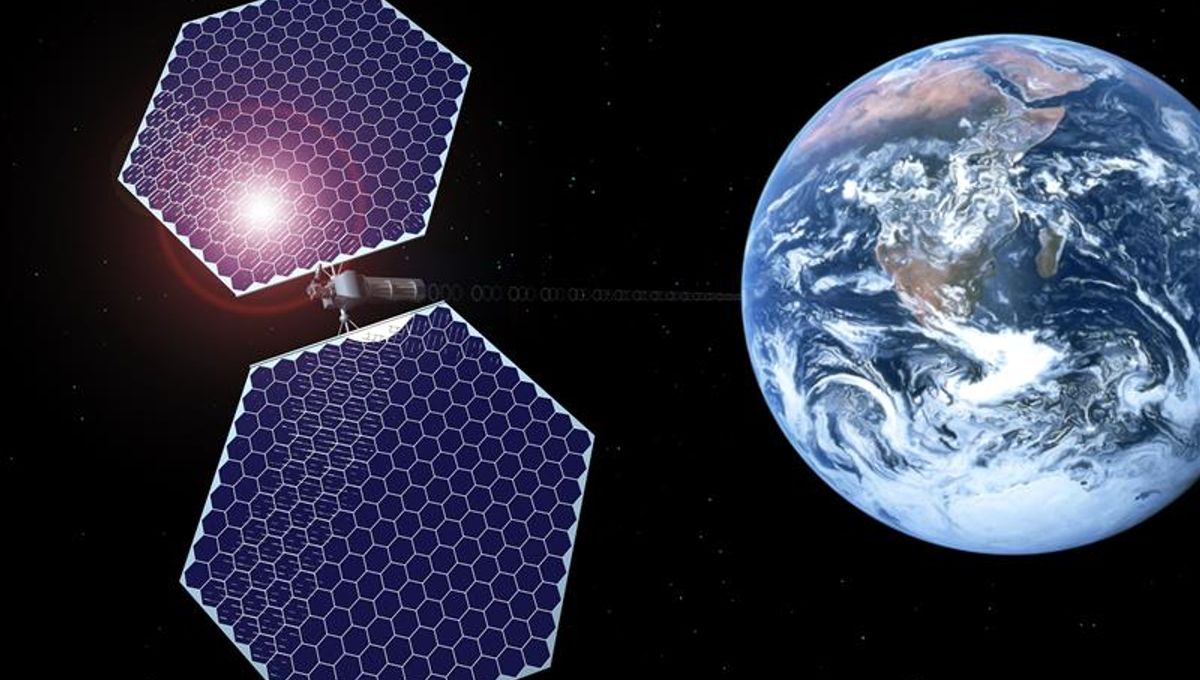
UK-based company Space Solar is partnering with Reykjavik Energy and Icelandic sustainability initiative Transition Labs to develop a space-based solar power plant that can deliver about 30 megawatts of electricity – potentially enough to power between 1,500 and 3,000 homes – from 2030. The system will collect sunlight in space through solar panels and then transmit it as radio waves at a specific frequency to a ground station, where it will be converted to electricity for the grid.
The satellite is expected to be scalable and quite big. Even if a full version of their CASSIOPeiA power array is not built, we are talking about the heaviest single object in space that is not a space station, and when all the arrays are splayed out, much larger than the International Space Station.
The company aims to have a scaled-up version of the system in space by 2036, which would supply gigawatts of electricity.
“The collaboration with Reykjavik Energy marks a key milestone in Space Solar’s journey toward full-scale deployment. Their forward-thinking approach to climate technology, combined with expertise in carbon storage through Carbfix and a long-standing partnership with Climeworks, makes Reykjavik Energy the perfect partner for Space Solar’s initial phase,” Kjartan Örn Ólafsson, CEO of Transition Labs, said in a statement.
“Space-based solar power offers unparalleled benefits with competitive energy costs and 24/7 availability. Reykjavik Energy’s recognition of the potential for space-based solar to drive the energy transition is exciting, and we’re thrilled to be working together in partnership toward a sustainable future,” echoed Space Solar co-CEO Martin Soltau.
The plan is certainly bold. So far, the transmission of energy from orbit has nowhere near that kind of power. This year, the Caltech demonstrator for this technology showed that the technology itself is certainly possible, but it beamed only milliwatts of power to Earth. The proposal for Iceland will have to be able to deliver billions of times more power.
There are challenges for sure, so it will be interesting to see if they are met. There’s certainly good humor and hard facts on the Space Solar FAQ page. Our favorite is that the system can’t be turned into a death ray; at most, the beam has a power that is less than a quarter of what the Sun delivers at midday.

Source Link: Iceland Could Become First Nation To Get Solar Power From Space In 2030
