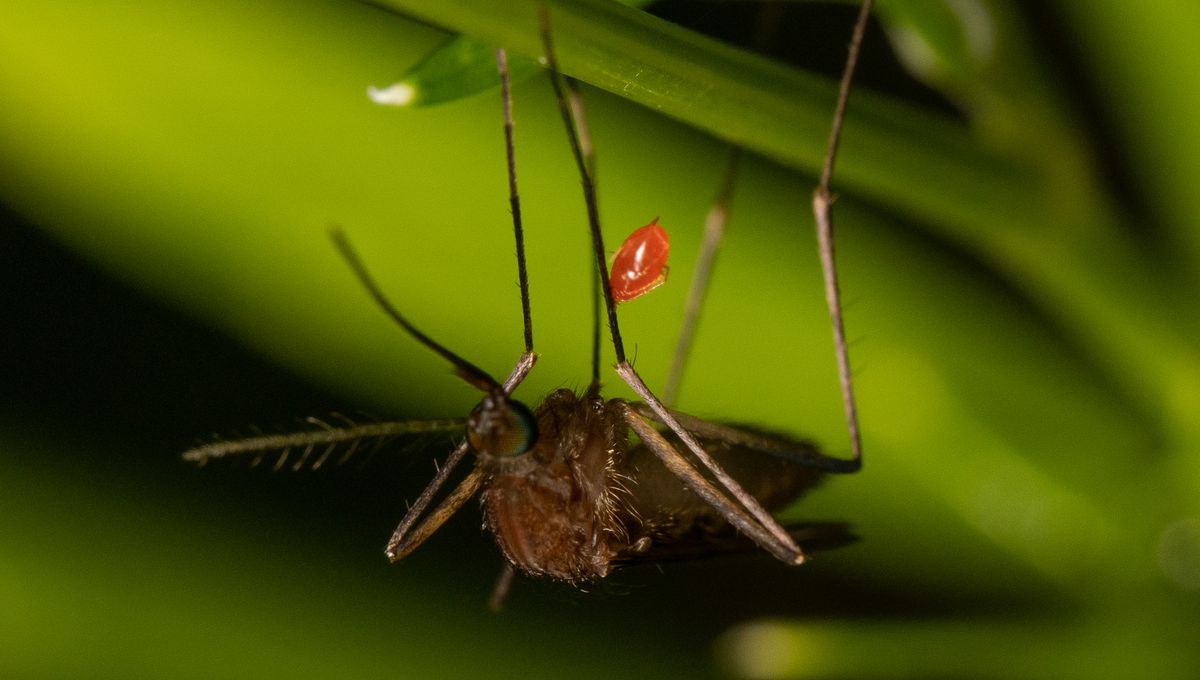
An adult in New Hampshire, USA has died after contracting Eastern Equine Encephalitis virus (EEEV), the first human case of the disease reported in the state for a decade.
EEEV, sometimes known as “Triple E”, is a rare infection in humans – only 11 cases are detected in the USA per year, on average. The virus normally cycles between its main mosquito vector, the black-tailed mosquito (Culiseta melanura), and various species of birds.
C. melanura rarely bite humans, but occasionally the virus can infect different species of mosquitos, such as those in the Aedes genus. When this happens, these so-called “bridge vectors” may bite and spread the virus to humans and horses.
Most people infected with EEEV will never develop symptoms, but there are two main patterns of symptoms that can occur: febrile illness or neurologic disease. The flu-like febrile illness usually lasts one to two weeks, with fever, chills, and joint pain.
The neurologic form of the disease is much more serious and can include meningitis, encephalitis, seizures, behavioral changes, and even coma. For those who do develop eastern equine encephalitis, the disease is fatal in about a third of cases. Many patients are also left with long-term physical or neurological issues that may lead to death later on. In those who recover, lasting effects can include personality disorders and paralysis.
There is currently no vaccine or specific treatment for EEEV.
The individual who died in New Hampshire was from the town of Hampstead. According to a statement from the state’s Department of Health & Human Services, they developed severe central nervous system disease after testing positive for EEEV, and died in hospital shortly afterward. The virus has also been detected in one horse and seven mosquito batches in New Hampshire this summer.
In the neighboring state of Massachusetts, recent cases of EEEV disease in an elderly man and a horse have put authorities on high alert. Aerial pesticide spraying to control mosquitoes is underway, and the BBC reports that health officials have advised people to avoid outdoor activities in the evening – when most mosquito bites occur – until the end of September.
Authorities in Vermont have also reported higher-than-usual numbers of EEEV-infected mosquitoes this summer.
“We believe there is an elevated risk for EEEV infections this year in New England given the positive mosquito samples identified,” said New Hampshire State Epidemiologist Dr Benjamin Chan. “The risk will continue into the fall until there is a hard frost that kills the mosquitos. Everybody should take steps to prevent mosquito bites when they are outdoors.”
Preventative measures include using insect repellent; wearing long, loose clothing outdoors; removing any sources of standing water around your home; and adding tight-fitting screens to doors and windows.
Avoiding bites is not just a good idea for those in areas at higher risk for EEEV. Another mosquito-borne disease, West Nile Virus, is in the news after former chief medical advisor to the president Dr Anthony Fauci revealed he is recovering from a recent infection, while Oropouche virus has recently been detected for the first time in Europe and cases of dengue have also been soaring in some regions this year.

Source Link: New Hampshire Resident Dies After Catching Rare Mosquito-Borne Virus
