• Email Us: [email protected]
  • Contact Us: +1 718 874 1545
  • Skip to main content
  • Skip to primary sidebar

Medical Market Report

  • Home
  • All Reports
  • About Us
  • Contact Us

The World’s Oldest Known Snake In Captivity Became A Mom At 62 – No Dad Required

October 10, 2025 by Deborah Bloomfield

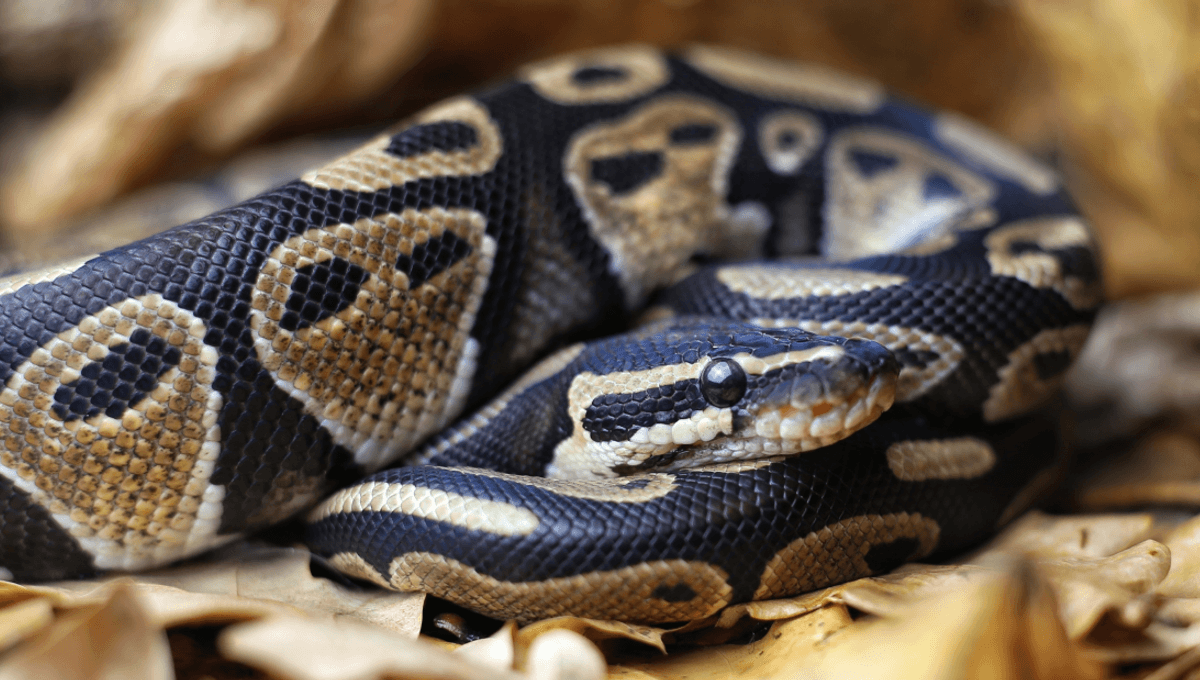
In 2021, the Saint Louis Zoo in Missouri lost a very special resident. She was a snake, but not just any snake. You see, this ball python was the oldest snake in the world in zoo care. She lived to a staggering 62 years old, but not before doing something remarkable just a year before her death.

The rest of this article is behind a paywall. Please sign in or subscribe to access the full content.

In 2020, the news broke that this ball python female had laid a clutch of viable eggs. It was unexpected for a snake in her sixth decade, and even stranger given the fact she hadn’t been in contact with a male for 15 years.

Ball pythons (Python regius), also known as Royal pythons, are a species native to the grasslands of central and western Africa. The average ball python lives up to 30 years in captivity, so this individual was exceptionally old, especially for a mother-to-be.

“She’d definitely be the oldest snake we know of in history,” Mark Wanner, manager of herpetology at the zoo, told the Associated Press in reference to her producing the eggs.


According to an email from the zoo’s Guest Experience Department shared on Reddit, the snake passed away in 2021. Not surprising, given her great age compared to the average life expectancy of these snakes, but she left behind a small legacy.

Of her clutch, two eggs hatched and one of those snakes survived. The zoo is now collaborating with its university research partner to ascertain if this really was a case of parthenogenesis – aka, “virgin birth”.

The word parthenogenesis literally means “virgin creation” in Greek. It’s a form of asexual reproduction in which an egg develops into an embryo without needing to be fertilized. In animals, this entails making an egg through automixis so the egg can merge with cells called polar bodies, which are leftovers from the egg production process. This generates offspring that are similar to the mother but not exact clones, and they’re generally all female.

We used to think parthenogenesis was rare, but it’s becoming increasingly clear that it’s not all that unusual, even in cases where females had access to males but decide reproduce solo anyway. It’s common among bees and tardigrades, and has been observed in over 80 taxa.

Parthenogenesis isn’t the only way a female can reproduce without being in contact with a male, however. Some species are able to store up sperm or fertilized eggs and only kick off pregnancy when conditions are just right.

Then there are always those zoo animals who manage to find a glory loophole.

Deborah Bloomfield
Deborah Bloomfield

Related posts:

  1. Global active equity funds see inflows after seven years
  2. Bubble Of Hot Gas Seen Zooming Around Our Supermassive Black Hole At One-Third Lightspeed
  3. New Cosmic Microwave Background Measurements Sharpen Puzzling “Hubble Tension”
  4. Finally, A Mathematical Algorithm For Winning At Guess Who?

Source Link: The World’s Oldest Known Snake In Captivity Became A Mom At 62 – No Dad Required

Filed Under: News

Primary Sidebar

  • We May Finally Have A Way To Tell Female Dinosaurs From Males, World’s Largest Spider Web Is Big Enough To Catch A Whale, And Much More This Week
  • This Month’s New Moon Will Be The Farthest From Earth For The Next 18 Years
  • Playing Music To Baby Mice Shapes Their Brain Development In A Sex-Specific Way
  • Ice XXI: Scientists Discover A New Form Of Ice Born At Room Temperature Under Intense Pressure
  • Citizen Scientists Are Helping With Rescue Efforts In Hurricane Melissa’s Aftermath – Here’s How You Can Too
  • What Is The Radio Blackout Scale And When Is It Needed?
  • “It’s Alive!”: The Real (And Horrifying) Science That Inspired Mary Shelley’s Frankenstein
  • First-Ever View Of The Sun’s Polar Magnetic Field Reveals Major Surprise
  • A Killer Whale Birth Has Been Captured On Camera In The Wild For The First Time
  • If You Shine A Light In Your Garden And See Lots Of Dots Reflected Back, We’ve Got Bad News
  • The “Sailor’s Eyeball” Blob Is One Of The Largest Single-Celled Organisms Ever Discovered
  • Icefish Live In Sub-Zero Antarctic Waters, So Why Don’t They Freeze?
  • We Finally Know What Happened To The Stone Of Destiny
  • Meet The Fishing Cat: The World’s Most Aquatic Feline Has Evolved To Master The Wetlands
  • Why Is There A Mysterious White Pyramid In Arizona?
  • Humpback Hitchhickers: Watch POV Footage Of Suckerfish Clinging To Whales As They Migrate Across Oceans
  • Oldowan Tools Saw Early Humans Through 300,000 Years Of Fire, Drought, And Shifting Climates, New Site Reveals
  • There Are Just Two Places In The World With No Speed Limits For Cars
  • Three Astronauts Are Stranded In Space Again, After Their Ride Home Was Struck By Space Junk
  • Snail Fossils Over 1 Million Years Old Show Prehistoric Snails Gave Birth to Live Young
  • Business
  • Health
  • News
  • Science
  • Technology
  • +1 718 874 1545
  • +91 78878 22626
  • [email protected]
Office Address
Prudour Pvt. Ltd. 420 Lexington Avenue Suite 300 New York City, NY 10170.

Powered by Prudour Network

Copyrights © 2025 · Medical Market Report. All Rights Reserved.

Go to mobile version