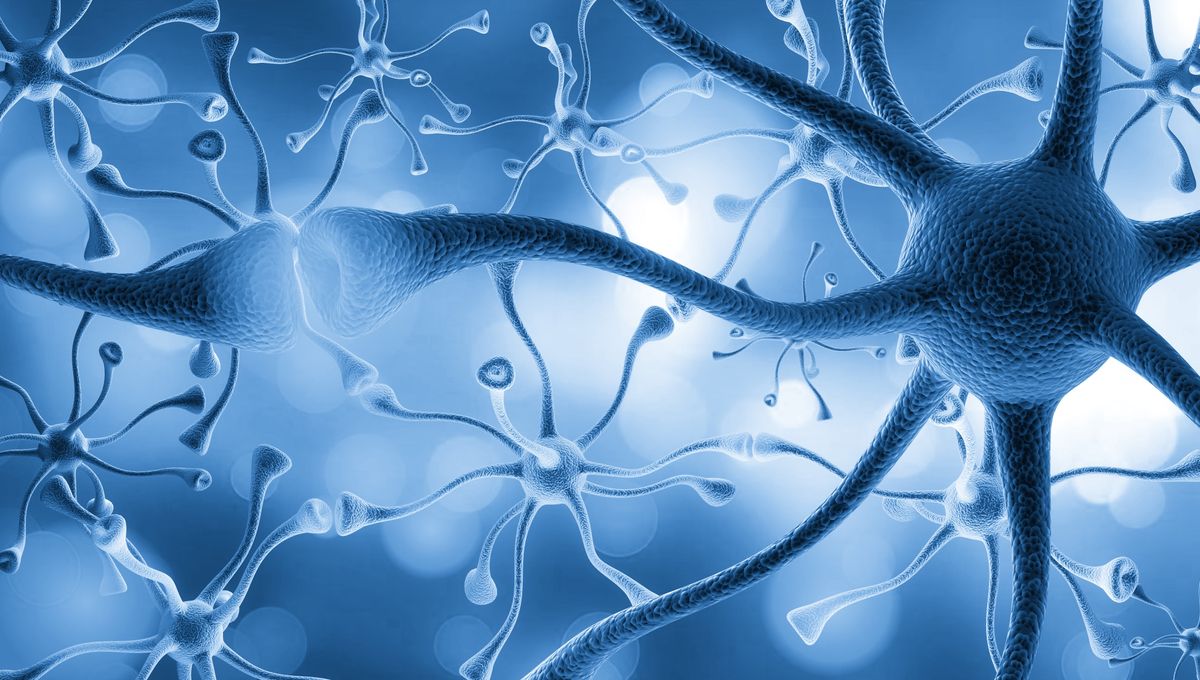
One of the most divisive debates in modern neuroscience has finally been resolved by a new study showing that our brains continue to form new neurons throughout our lives. Until now, scientists had been split over whether this process – known as neurogenesis – stops after childhood, yet the new research suggests that new brain cells are born within the hippocampus well into adulthood and old age.
Playing a crucial role in learning, memory, and emotional regulation, the hippocampus has been at the center of the argument for more than a century. Despite studies showing that neurogenesis occurs in the hippocampi of adult mice, it was widely accepted for many years that the same was not true for humans.
That began to change in 2013, when research led by Jonas Frisén from Karolinska Institutet demonstrated that young neurons were present in the brains of adult cancer patients. However, doubts persisted after researchers failed to identify the presence of neural progenitor cells – a precursor to mature neurons – in the human hippocampus.
Seeking to resolve this conflict, Frisén and colleagues identified the genetic signature of neuronal progenitor cells based on RNA sequencing of individual cell nuclei. They then used a machine learning algorithm to search for this signal in the brain tissue of people at different stages of life, from zero to 78 years of age.
The team’s findings showed that these neuronal predecessors are indeed present in the hippocampus throughout adulthood, indicating the continued creation of new brain cells. As expected, however, neurogenesis rates were found to be far higher in young children than in older individuals.
The study authors also noted a high degree of variation, with some adults displaying virtually no hippocampal neurogenesis. Despite this, Frisén remarked in a statement that “we have now been able to identify these cells of origin, which confirms that there is an ongoing formation of neurons in the hippocampus of the adult brain.”
Further analysis revealed that these neuronal progenitor cells are all located in a structure called the dentate gyrus, which the study authors describe as “the primary gateway of the hippocampus, controlling how information flows from the cortex to the hippocampus proper.” To confirm that these progenitor cells do indeed mature into neurons in the adult brain, the researchers used an antibody that binds to proteins released by these cells as they proliferate.
“This gives us an important piece of the puzzle in understanding how the human brain works and changes during life,” said Frisén. “Our research may also have implications for the development of regenerative treatments that stimulate neurogenesis in neurodegenerative and psychiatric disorders.”
The study has been published in the journal Science.

Source Link: Neurogenesis Confirmed: Adult Brains Really Do Make New Hippocampal Neurons
