Forensics can be vital in supporting police and juries to reach accurate conclusions in complex cases where the facts are elusive. The potential of results to swing convictions or eliminate suspects means their correct application is paramount, which is why the field is now populated by experts who can search for clues in places most people wouldn’t even think to look.
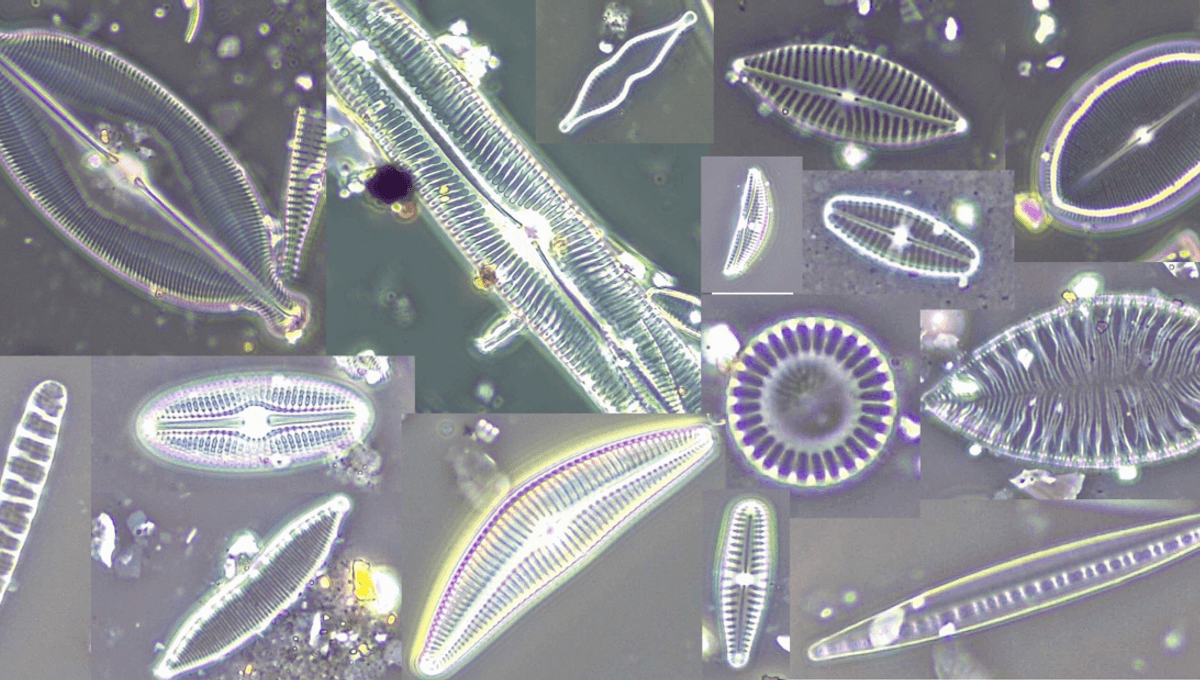
One example of these tiny breadcrumbs is diatoms, a group of microalgae found in water habitats across the planet. Dexter fans may recall that The Bay Harbour Butcher’s boat location was revealed by diatoms, and they have many applications within the field of environmental forensics.
A case recently explored in BBC Three’s new series, Body On The Beach: What Happened To Annie?, further demonstrates the potential diatoms have in revealing possible clues that may contradict the more obvious details of a death scene. To understand how, and what else diatoms can teach us about dead bodies, we spoke to forensic biologist Dr Kirstie Scott who specializes in diatoms.
“Diatoms are eukaryotic microscopic algae,” Scott told IFLScience. “When you’re around any kind of body of water, or any kind of damp surface, like soils, or tree bark, more often than not, there’ll be these microscopic communities of algae growing and dominating those environments. […] They can be used to diagnose different instances of death, or different incidents that might have taken place during crime events.”
Scott wasn’t involved in the case of Annie Börjesson, a 30-year-old from Sweden who lived in Edinburgh until her body was found on Prestwick Beach – but in the new series, she explains how the presence of diatoms in her bone marrow raises interesting questions about some of the facts of the case.
As the series demonstrates, the growing field of forensics can contribute towards revealing new insights into cold cases even decades after the fact.
“There are some critical new details about Annie’s death which emerged as a result of this series,” said journalist and series lead Hazel Martin to the BBC. “We have compiled a document of 11 points that we think are worth re-looking at, which has now been submitted to the Scottish Fatalities Unit (the specialised unit responsible for investigating deaths in Scotland).”
“Some of the information we included is new – for example, the UK’s leading forensic pathologist, Dr Stuart Hamilton, suggested that marks on Annie’s body looked like they might be bruising. These marks had not been included in the post-mortem report at the time.”
Body on the Beach: What Happened to Annie? will air on BBC Scotland and BBC iPlayer from Tuesday, July 4, and BBC Three from Wednesday, July 5.

Source Link: Dead Bodies Can Reveal Details Of Their Death Through Microscopic Diatoms
