Following a major leak of radioactive water late last year, a Minnesota power plant has now temporarily shut down due to another incident linked to the clean-up operation. The company that runs the nuclear power plant, Xcel Energy, insists that the overall risk is low and the situation is under control.
The initial leak at Monticello Nuclear Generating Plant occurred on November 22, 2022, although Xcel Energy only notified the public on March 16, 2023. It was reported that some 400,000 gallons of water containing tritium were released into the surrounding groundwater during the leak. That’s about two-thirds of an Olympic swimming pool.
Following this incident, Xcel Energy set up a short-term solution to capture water from the leaking pipe and reroute it back into the plant for reuse. Last week, however, another problem was spotted.
On March 23, Xcel Energy announced that it will be powering down its Monticello Nuclear Generating Plant after detecting a second leak of water containing tritium at the plant the previous day.
“Upon investigation, operators discovered the temporary solution was, over the past two days, no longer capturing 100 percent of the leaking water,” Xcel Energy said in a statement. “The new leakage — anticipated to be in the hundreds of gallons, a much smaller amount of water than previously leaked — will not materially increase the amount of tritium the company is working to recover and does not pose any risk to health or the environment.”
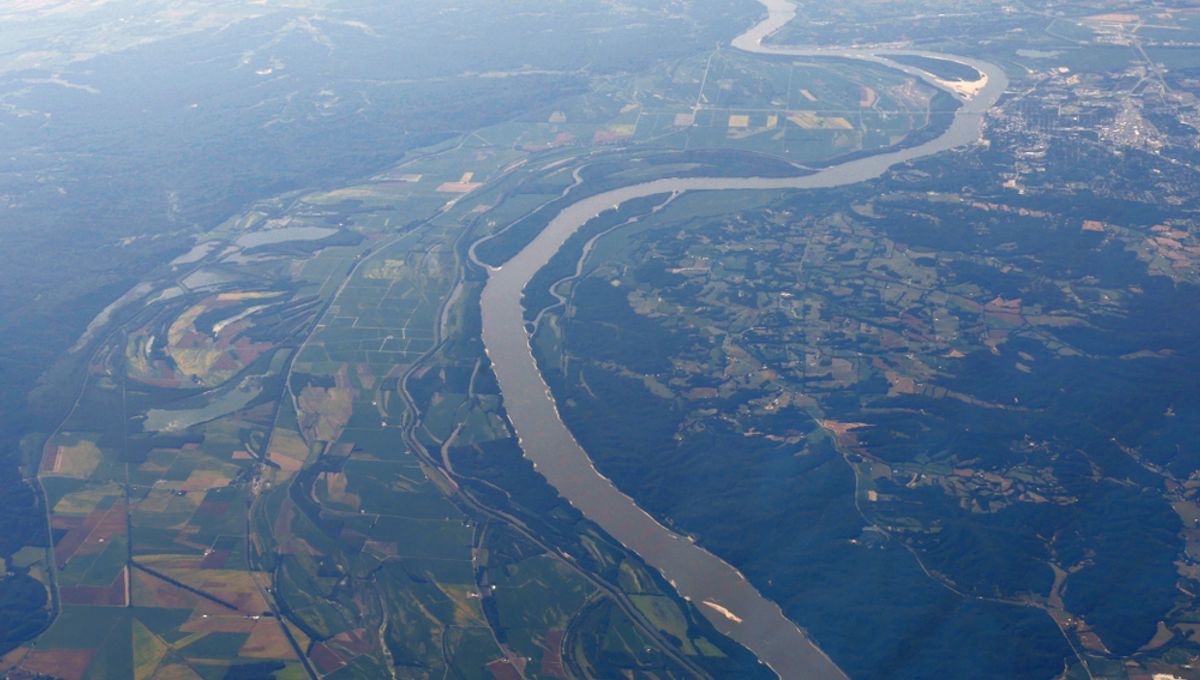
The Monticello plant is found along the Mississippi River near to the city of Monticello, around 55 kilometers (35 miles) northwest of Minneapolis. The company maintains that the incident poses no risk to the local community or environment and the leak is only emitting low levels of radiation.
Tritium is a rare, radioactive isotope of hydrogen. It has a variety of uses in both industry and consumer products. Tritium gas can glow with luminescence when combined with phosphor, so it’s often used in emergency exit signs and glow-in-the-dark watch faces. However, it is also sometimes produced as a by-product of the fission of uranium-235, plutonium-239, and uranium-23 that occurs in nuclear reactors.
It’s the same radioactive isotope that’s found in the 1.3 million tons of wastewater at the Fukushima Daiichi power plant, the site of the infamous 2011 nuclear disaster, which authorities are planning to release into the Pacific Ocean.
As far as radionuclides go, it’s one of the less worrying ones. Tritium emits very weak beta particles, which are even unable to penetrate the skin, so it’s not considered terribly dangerous as nuclear by-products go.
Trace levels of tritium can be found in most drinking water. Once tritium is swallowed, it will quickly disperse around the body and will be excreted within a month or so. However, health authorities do put safe limits on tritium in their drinking water as it can pose some risks to health.

Source Link: Second Leak At US Nuclear Plant That Sprung 400,000 Gallons Of Radioactive Water
